THE ADVENTURE COLLECTIVE® · Independent discovery and booking for outdoor travel

An immersive 6-day trip that pairs deep-jungle canoeing in Cuyabeno with Andean hot springs at Papallacta. Expect wildlife by lantern light, primary-forest walks, and a visit to the Tarapuy community to learn traditional cassava breadmaking.
An immersive 6-day trip that pairs deep-jungle canoeing in Cuyabeno with Andean hot springs at Papallacta. Expect wildlife by lantern light, primary-forest walks, and a visit to the Tarapuy community to learn traditional cassava breadmaking.
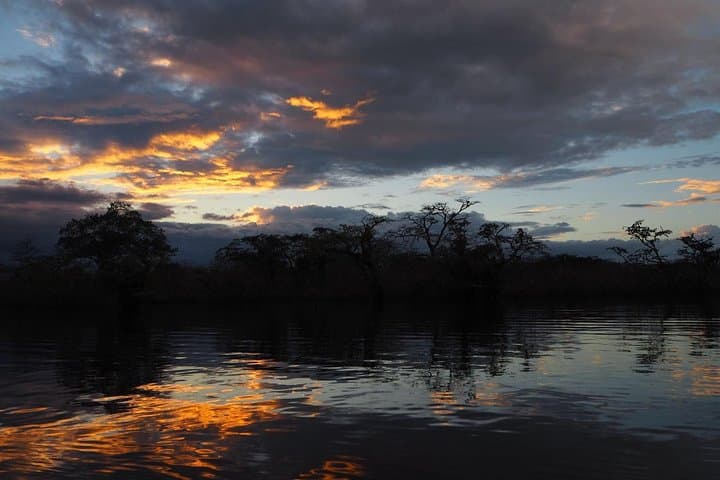
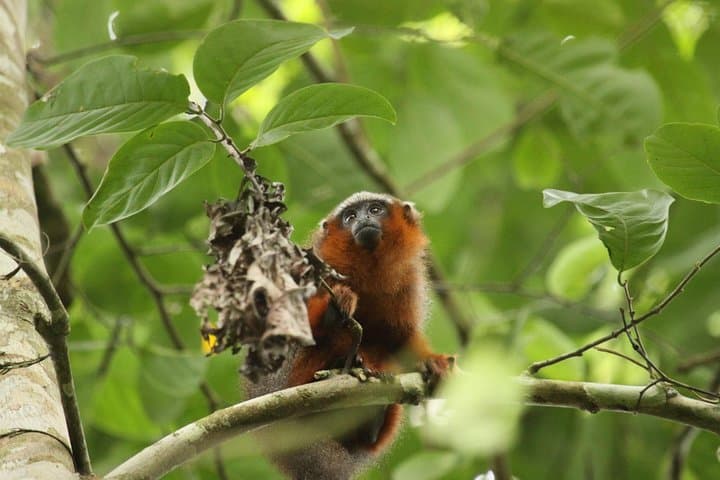
Before dawn in Quito the bus pulls out into a night that still smells of city smoke and coffee; by afternoon the road narrows, pavement gives way to red clay and the forest begins to press close. In Cuyabeno the river takes over—an obsidian ribbon that pushes the canoe and traveler deeper into a world of standing trees, mirrored lagoons and the clatter of distant monkeys. Laguna Grande closes the day with a slow, wide sunset that seems to nudge the sky into color.
Verified experiences and guided adventures in the surrounding area.
Operated by Rebecca Adventure Travel · Lago Agrio (Nueva Loja), Sucumbíos
Before dawn in Quito the bus pulls out into a night that still smells of city smoke and coffee; by afternoon the road narrows, pavement gives way to red clay and the forest begins to press close. In Cuyabeno the river takes over—an obsidian ribbon that pushes the canoe and traveler deeper into a world of standing trees, mirrored lagoons and the clatter of distant monkeys. Laguna Grande closes the day with a slow, wide sunset that seems to nudge the sky into color.
Cuyabeno Wildlife Reserve is one of Ecuador’s protected Amazon basins, carved by meandering waterways and sustained by nutrient-rich flood pulses. The region’s peat and alluvial soils create flooded forests where roots learn to live in water; downstream, communities like Tarapuy continue traditional cassava breadmaking and riverine lifeways that predate the road.
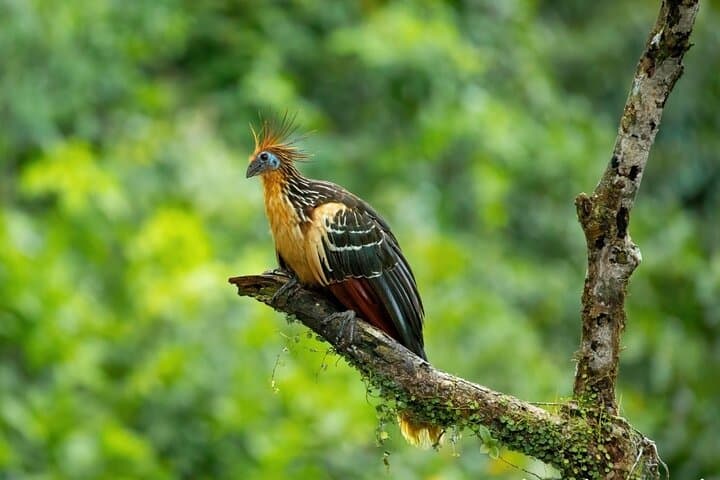
Expect guided canoe trips for birding and caiman watching, 3–4 hour interpretive forest walks, nocturnal wildlife searches, and a cultural visit to learn casabe preparation. Nights are at a simple eco-lodge with shared meals and basic comforts; the itinerary ends with restorative thermal pools at Papallacta on the high Andean flank.
Practical notes: bring waterproof bags for cameras, an LED headlamp for pitch-black evenings, long-sleeve garments and DEET-based repellent, and rubber boots which are typically provided. Transfers are long—travel from Quito takes roughly eight hours to the Cuyabeno access point—so plan for an early start and light recovery on arrival. Weather and river levels shape sightings, so flexibility and patience reward the trip.
moderate.
6 days.
Suitable for travelers in general good health who can manage multi-hour walks and long vehicle transfers; low technical demand.
The lodge is reached by a 2-hour canoe ride after arriving at the Cuyabeno Bridge; accommodations are simple but comfortable with beds, basic toilets and shared dining areas.
Yes—rubber boots, raincoats and lifejackets are typically provided as part of the tour inclusions.
Sightings are common but not guaranteed; river levels and weather influence visibility—nocturnal caiman searches increase chances of observing them.
The program involves long transfers, canoe travel and 3–4 hour walks through uneven forest; it’s best for those who can manage moderate exertion—not recommended for travelers with serious mobility constraints.
Cuyabeno was established as a protected reserve to conserve Amazonian wetlands and the traditional territories of riverine indigenous groups; communities like Tarapuy maintain ancestral practices tied to the forest.
The reserve faces pressure from oil exploration and upstream land use; traveling with responsible operators and minimizing waste helps reduce visitor impact.
Rebecca Adventure Travel operates guided outdoor trips and adventures with an emphasis on safety, stewardship, and memorable experiences.
Before dawn in Quito the bus pulls out into a night that still smells of city smoke and coffee; by afternoon the road narrows, pavement gives way to red clay and the forest begins to press close. In Cuyabeno the river takes over—an obsidian ribbon that pushes the canoe and traveler deeper into a world of standing trees, mirrored lagoons and the clatter of distant monkeys. Laguna Grande closes the day with a slow, wide sunset that seems to nudge the sky into color.
Before dawn in Quito the bus pulls out into a night that still smells of city smoke and coffee; by afternoon the road narrows, pavement gives way to red clay and the forest begins to press close. In Cuyabeno the river takes over—an obsidian ribbon that pushes the canoe and traveler deeper into a world of standing trees, mirrored lagoons and the clatter of distant monkeys. Laguna Grande closes the day with a slow, wide sunset that seems to nudge the sky into color.
Cuyabeno Wildlife Reserve is one of Ecuador’s protected Amazon basins, carved by meandering waterways and sustained by nutrient-rich flood pulses. The region’s peat and alluvial soils create flooded forests where roots learn to live in water; downstream, communities like Tarapuy continue traditional cassava breadmaking and riverine lifeways that predate the road.
Expect guided canoe trips for birding and caiman watching, 3–4 hour interpretive forest walks, nocturnal wildlife searches, and a cultural visit to learn casabe preparation. Nights are at a simple eco-lodge with shared meals and basic comforts; the itinerary ends with restorative thermal pools at Papallacta on the high Andean flank.
Practical notes: bring waterproof bags for cameras, an LED headlamp for pitch-black evenings, long-sleeve garments and DEET-based repellent, and rubber boots which are typically provided. Transfers are long—travel from Quito takes roughly eight hours to the Cuyabeno access point—so plan for an early start and light recovery on arrival. Weather and river levels shape sightings, so flexibility and patience reward the trip.