THE ADVENTURE COLLECTIVE® · Independent discovery and booking for outdoor travel

This six-day private circuit pairs a sunrise hike to Santa Ana Volcano with visits to UNESCO-listed Joya de Cerén, Tazumal’s pyramids and a free day at El Tunco surf beaches. Ideal for families wanting a mix of culture, active hiking and Pacific coast downtime.
This six-day private circuit pairs a sunrise hike to Santa Ana Volcano with visits to UNESCO-listed Joya de Cerén, Tazumal’s pyramids and a free day at El Tunco surf beaches. Ideal for families wanting a mix of culture, active hiking and Pacific coast downtime.
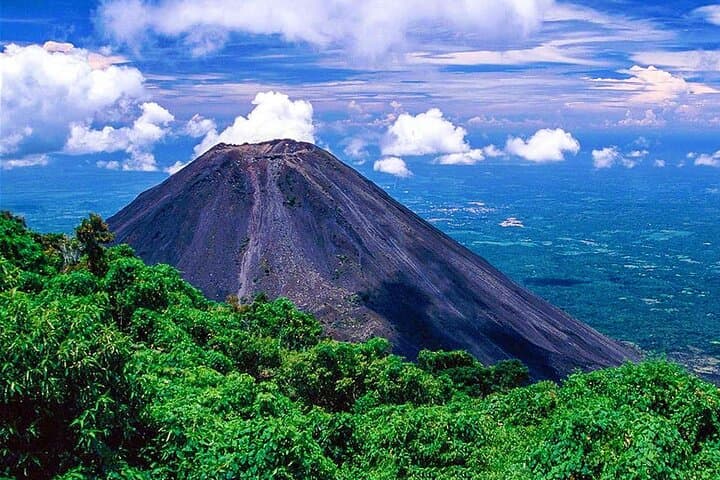
Morning mist lifts off Cerro Verde as a private SUV threads a mountain road toward Santa Ana Volcano. On the trail you pass cloud-forest palms, orchids and the occasional torogoz darting like punctuation. At the rim a green crater lake—sour with sulfur—gives the summit its otherworldly hue, while views open to Lake Coatepeque and Izalco’s cone.
Verified experiences and guided adventures in the surrounding area.
Operated by Travel China Guide · San Salvador, San Salvador
Morning mist lifts off Cerro Verde as a private SUV threads a mountain road toward Santa Ana Volcano. On the trail you pass cloud-forest palms, orchids and the occasional torogoz darting like punctuation. At the rim a green crater lake—sour with sulfur—gives the summit its otherworldly hue, while views open to Lake Coatepeque and Izalco’s cone.
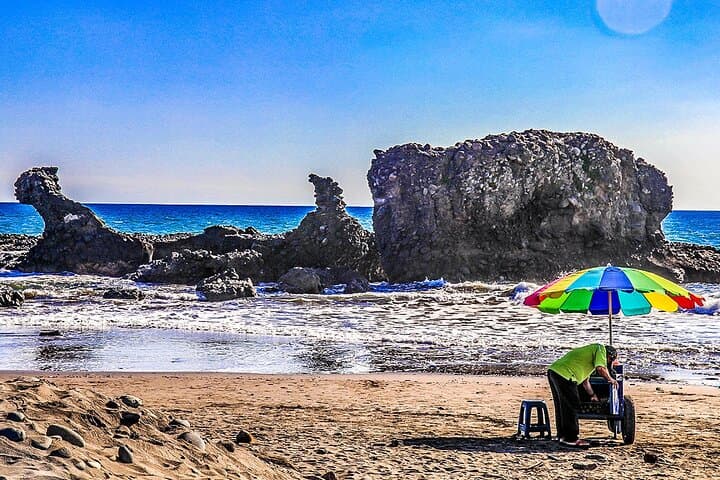
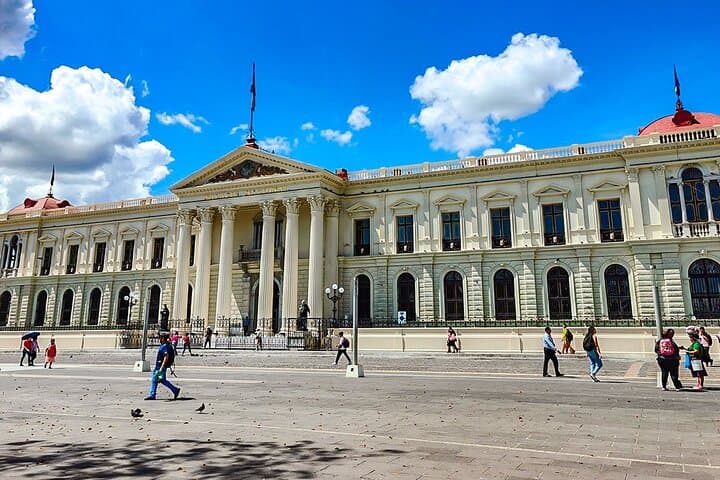
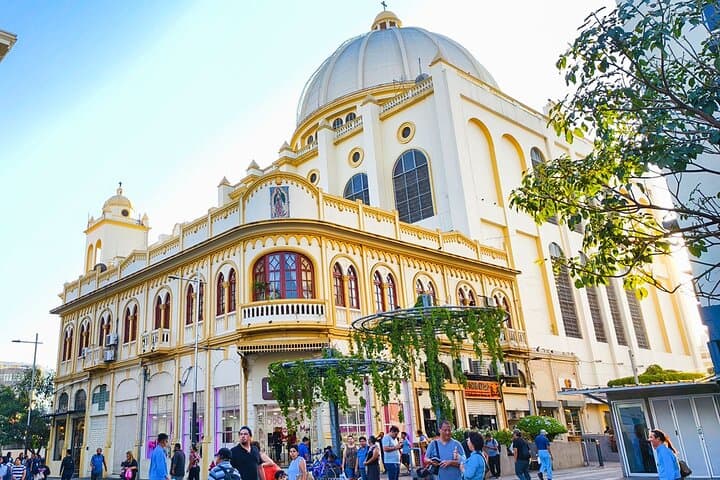
El Salvador’s compact history is underfoot: nearby Joya de Cerén, preserved by volcanic ash, offers a rare snapshot of everyday Mayan life, while Tazumal and San Andrés display towering platforms and the country’s highest pyramid, evidence of a deep pre-Columbian network. Spanish colonial layers appear in San Salvador and Suchitoto—Iglesia Santa Lucía and Iglesia El Rosario mark 19th–20th‑century civic life—and the Pacific coast at El Tunco folds in surf culture born of consistent swells.
Expect four hours of hiking on volcanic trails with uneven, often loose volcanic sand; total summit elevation around 2,300–2,400 m with steady but manageable climbs. Guides handle logistics; start before 11:00 for access to the crater rim. Bring layered clothing for rapid temperature shifts, 2–3 liters of water, and sun protection for beach days.
Practicalities: private transfer connects sites across 6 days with breakfasts included; accommodations are mid‑range hotels. Mobility is generally suitable for families and varied fitness levels, but people with respiratory issues should consult a doctor for high‑altitude exertion. Plan dry‑season travel (Nov–Apr) for clearer summit views. Reserve several hours in El Tunco for beginner surf lessons, beachside sunsets and small seafood restaurants that showcase coastal Salvadoran flavors daily.
moderate.
6 days.
Suitable for travelers with light to moderate fitness; must manage a 3–4 hour volcano hike at altitude.
It’s a steady 3–4 hour hike on loose volcanic sand with about 600–800 m of elevation gain depending on the trailhead—moderate fitness and good footwear are recommended.
Yes; the private transfers and moderate hiking make it suitable for families, though younger children may find summit sections tiring and older family members should be prepared for altitude-related exertion.
Dry season (November–April) gives the clearest summit views; surf at El Tunco is consistent year-round, with larger swells typically during the wet season.
Visa requirements depend on nationality—confirm with your consulate before travel and ensure passport validity meets airline and immigration rules.
Joya de Cerén is a UNESCO World Heritage site—an exceptionally preserved pre-Columbian farming village buried by volcanic ash around AD 600, offering direct insight into daily Mayan life.
Cerro Verde and the surrounding parks protect cloud-forest habitats; stick to trails, avoid feeding wildlife and pack out all waste to minimize visitor impact.
Travel China Guide operates guided outdoor trips and adventures with an emphasis on safety, stewardship, and memorable experiences.
Morning mist lifts off Cerro Verde as a private SUV threads a mountain road toward Santa Ana Volcano. On the trail you pass cloud-forest palms, orchids and the occasional torogoz darting like punctuation. At the rim a green crater lake—sour with sulfur—gives the summit its otherworldly hue, while views open to Lake Coatepeque and Izalco’s cone.
Morning mist lifts off Cerro Verde as a private SUV threads a mountain road toward Santa Ana Volcano. On the trail you pass cloud-forest palms, orchids and the occasional torogoz darting like punctuation. At the rim a green crater lake—sour with sulfur—gives the summit its otherworldly hue, while views open to Lake Coatepeque and Izalco’s cone.
El Salvador’s compact history is underfoot: nearby Joya de Cerén, preserved by volcanic ash, offers a rare snapshot of everyday Mayan life, while Tazumal and San Andrés display towering platforms and the country’s highest pyramid, evidence of a deep pre-Columbian network. Spanish colonial layers appear in San Salvador and Suchitoto—Iglesia Santa Lucía and Iglesia El Rosario mark 19th–20th‑century civic life—and the Pacific coast at El Tunco folds in surf culture born of consistent swells.
Expect four hours of hiking on volcanic trails with uneven, often loose volcanic sand; total summit elevation around 2,300–2,400 m with steady but manageable climbs. Guides handle logistics; start before 11:00 for access to the crater rim. Bring layered clothing for rapid temperature shifts, 2–3 liters of water, and sun protection for beach days.
Practicalities: private transfer connects sites across 6 days with breakfasts included; accommodations are mid‑range hotels. Mobility is generally suitable for families and varied fitness levels, but people with respiratory issues should consult a doctor for high‑altitude exertion. Plan dry‑season travel (Nov–Apr) for clearer summit views. Reserve several hours in El Tunco for beginner surf lessons, beachside sunsets and small seafood restaurants that showcase coastal Salvadoran flavors daily.