
6-Day Cusco to Machu Picchu: Sacred Valley, Sacsayhuamán & Ollantaytambo
A compact six-day circuit through Cusco, the Sacred Valley and Machu Picchu mixing archaeological highlights with living Andean culture. Practical pacing, acclimatization tips and what to expect on each major stop.
An Adventure In Cusco.
A compact six-day circuit through Cusco, the Sacred Valley and Machu Picchu mixing archaeological highlights with living Andean culture. Practical pacing, acclimatization tips and what to expect on each major stop.
Read the full experience
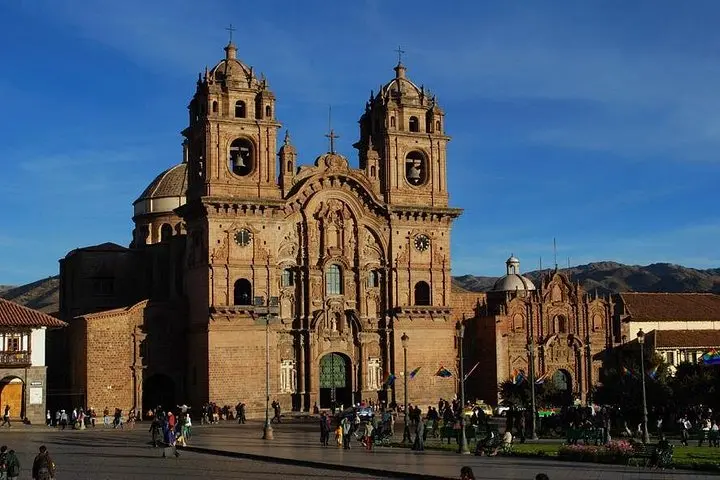
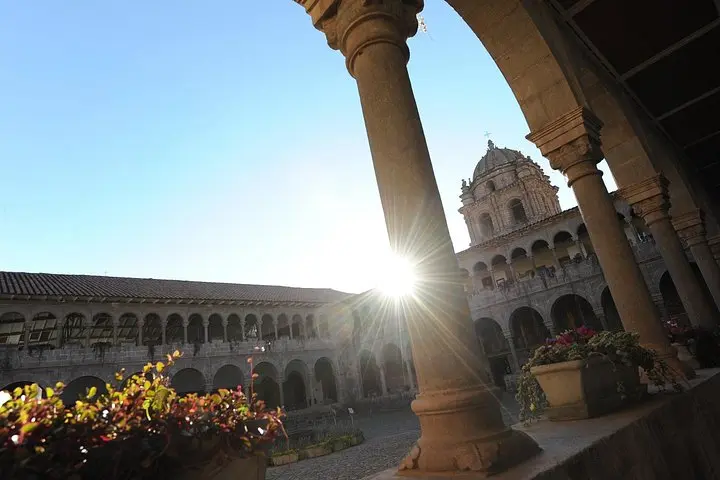
You arrive in Cusco and the city exhales history: narrow alleys, highland air, and the low murmur of market sellers. The first afternoon walks through San Blas and the Plaza de Armas put Spanish baroque facades against Inca stonework, while the surrounding peaks keep a watchful, weathered silence.
You arrive in Cusco and the city exhales history: narrow alleys, highland air, and the low murmur of market sellers. The first afternoon walks through San Blas and the Plaza de Armas put Spanish baroque facades against Inca stonework, while the surrounding peaks keep a watchful, weathered silence.
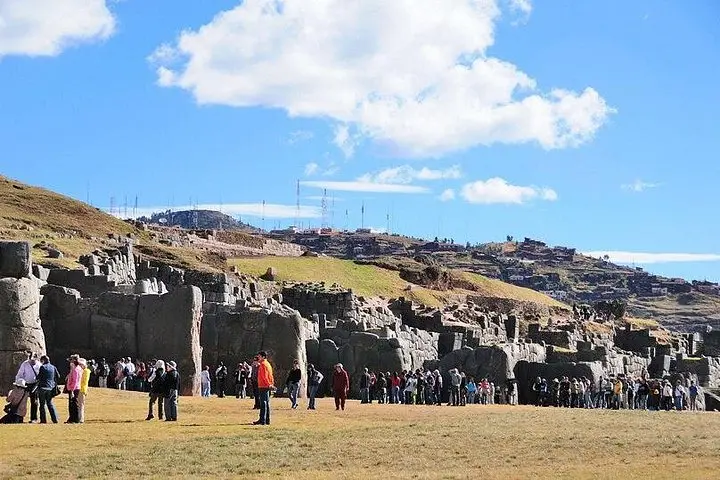
This six-day loop traces the pulse of the Inca world — Sacsayhuamán’s monumental stones, the agricultural labs at Moray, and the honeycomb pools of Maras — each site a functional piece of imperial engineering. Geology here is raw: uplifted Andean strata, jagged river canyons and terraced slopes that create microclimates farmers exploited centuries ago. Culture is present and present-day: Quechua language, textile workshops, and living communities that maintain ancient weaving and herding traditions.
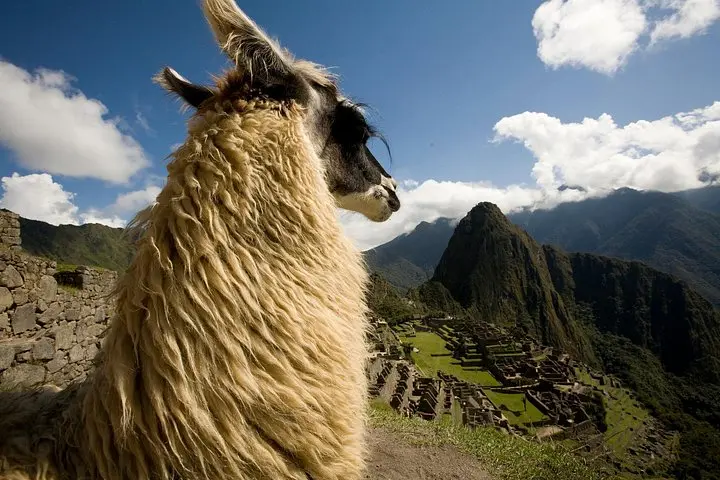
The climax is Machu Picchu, reached by train and a winding bus that lifts you above the Urubamba River, which dares you to follow its canyoned course. Expect guided walks through terraces, temples and viewpoints on established circuits; photography windows are timed and regulated to protect the site.
Practical guidance: allow two days to acclimatize in Cusco, hydrate proactively and avoid heavy exertion the first 24–48 hours. Comfortable, broken-in hiking shoes and layered clothing handle dusty paths and sudden rain. Book trains and Machu Picchu tickets well in advance; the citadel enforces strict entrance circuits and non-refundable tickets. Daily pacing varies — some mornings include multi-hour archaeological walks — so a moderate fitness baseline helps. Travel light, respect local customs, and stay on designated paths to support conservation of fragile Andean landscapes.
Frequently asked questions
Ideally 24–48 hours in Cusco with light activity; avoid heavy exertion the first day and stay well hydrated.
No—Machu Picchu entrance tickets are non-refundable and date changes are generally not allowed; book carefully.
Expect multiple guided walks of 1–3 hours at archaeological sites; none require technical climbing but involve uneven stone steps.
Alternates such as circuits 3B or 1B may be offered—operators will inform you so you can confirm before ticket issuance.
About This Experience
VIPAC Travel operates guided outdoor trips and adventures with an emphasis on safety, stewardship, and memorable experiences.
Adventure tips
Recommended gear
- Sturdy hiking shoes: Provides traction on cobbles, terraces and wet paths at archaeological sites.
- Layered clothing + waterproof: Manage daytime sun and sudden highland rain with quick layering.
- Daypack with hydration: Carry water, snacks, camera, and a light jacket for guided walks and short hikes.
- Sun protection (hat, sunscreen, sunglasses): High-altitude UV is intense even on overcast days—protect exposed skin and eyes.
Photos of the experience
Related adventures & guides
Read the full experience
You arrive in Cusco and the city exhales history: narrow alleys, highland air, and the low murmur of market sellers. The first afternoon walks through San Blas and the Plaza de Armas put Spanish baroque facades against Inca stonework, while the surrounding peaks keep a watchful, weathered silence.
You arrive in Cusco and the city exhales history: narrow alleys, highland air, and the low murmur of market sellers. The first afternoon walks through San Blas and the Plaza de Armas put Spanish baroque facades against Inca stonework, while the surrounding peaks keep a watchful, weathered silence.
This six-day loop traces the pulse of the Inca world — Sacsayhuamán’s monumental stones, the agricultural labs at Moray, and the honeycomb pools of Maras — each site a functional piece of imperial engineering. Geology here is raw: uplifted Andean strata, jagged river canyons and terraced slopes that create microclimates farmers exploited centuries ago. Culture is present and present-day: Quechua language, textile workshops, and living communities that maintain ancient weaving and herding traditions.
The climax is Machu Picchu, reached by train and a winding bus that lifts you above the Urubamba River, which dares you to follow its canyoned course. Expect guided walks through terraces, temples and viewpoints on established circuits; photography windows are timed and regulated to protect the site.
Practical guidance: allow two days to acclimatize in Cusco, hydrate proactively and avoid heavy exertion the first 24–48 hours. Comfortable, broken-in hiking shoes and layered clothing handle dusty paths and sudden rain. Book trains and Machu Picchu tickets well in advance; the citadel enforces strict entrance circuits and non-refundable tickets. Daily pacing varies — some mornings include multi-hour archaeological walks — so a moderate fitness baseline helps. Travel light, respect local customs, and stay on designated paths to support conservation of fragile Andean landscapes.
Make a day of it nearby.
Verified experiences and guided adventures in the surrounding area.