THE ADVENTURE COLLECTIVE® · Independent discovery and booking for outdoor travel

Experience the high‑altitude highlights of the Inca world on a six‑day route from Cusco to Machu Picchu and Rainbow Mountain. This guided trip mixes archaeological sites, high alpine hikes, and cultural stops with practical pacing for acclimatization.
Experience the high‑altitude highlights of the Inca world on a six‑day route from Cusco to Machu Picchu and Rainbow Mountain. This guided trip mixes archaeological sites, high alpine hikes, and cultural stops with practical pacing for acclimatization.
You step off the plane into thin, bright air and the city of Cusco unfolds in stone: narrow streets, carved lintels, and the hum of Quechua markets. The first afternoon traces Inca mastery at Qoricancha and the terraced walls of Sacsayhuamán, where limestone blocks still seem to hold their own against the Andes’ slow motion.
Verified experiences and guided adventures in the surrounding area.
Operated by Runas Trip Peru · Cusco, Cusco
You step off the plane into thin, bright air and the city of Cusco unfolds in stone: narrow streets, carved lintels, and the hum of Quechua markets. The first afternoon traces Inca mastery at Qoricancha and the terraced walls of Sacsayhuamán, where limestone blocks still seem to hold their own against the Andes’ slow motion.
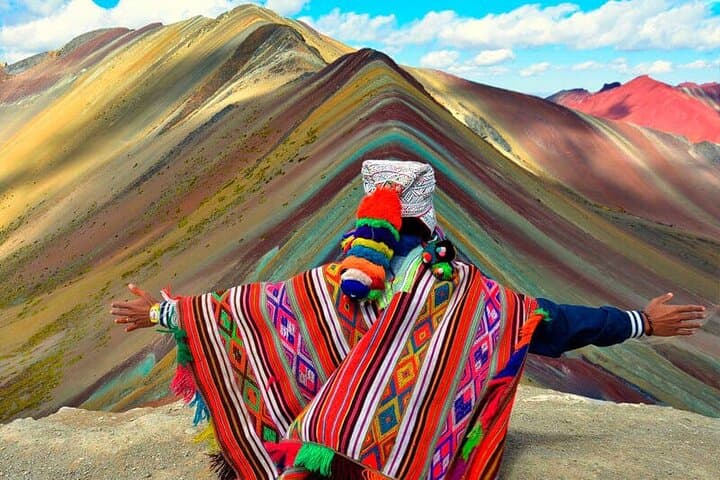
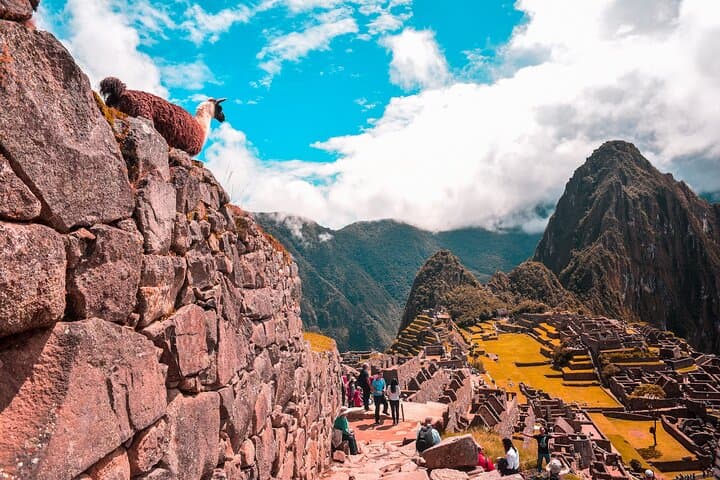
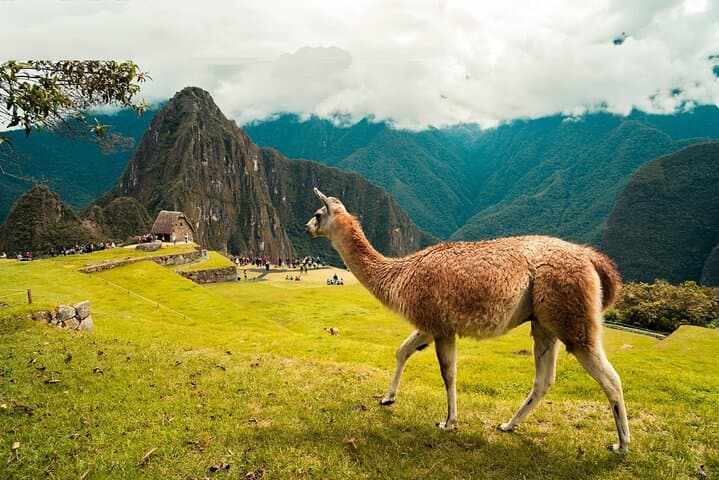
Across the next days the itinerary threads archaeology and alpine geology. The Sacred Valley—Pisaq’s cliffside ruins and Ollantaytambo’s living terraces—reveals agricultural engineering tuned to microclimates. The train to Aguas Calientes drops you into the humid canyon below Machu Picchu (≈2,430 m), the citadel perched on folded volcanic andesite carved by rivers and human hands. Higher still, Humantay Lagoon sits at about 4,200 m after a 1h40 ascent from Soraypampa (3,900 m); its glacial-fed blue refuses to be polite. Vinicunca, the Mountain of Seven Colors, tops near 5,080 m after another 1h40 climb—its stripes are weathered mineral layers exposed by erosion and past glacial abrasion.
Practical edge: altitude rules the trip—move slowly, hydrate, and expect active days of 3–8 hours. Good boots, layered insulation, sun protection, and a small daypack make the difference between a memorable summit view and a forced rest. Trains and park permits are scheduled; the group size is small (up to 18), and the route includes guided cultural stops, breakfasts, and several lunches. If you want the sunrise at Machu Picchu or the quiet at Humantay, plan your sleep and water strategy in advance.
moderate.
6 days (active days: 3–8 hours).
Recommended: regular cardio and hiking at moderate altitudes; ability to walk 2–5 hours on uneven trails.
Yes—entrance and guided visit to Machu Picchu are included in the tour package as scheduled on Day 3.
Yes; the tour schedules acclimatization days in Cusco and the Sacred Valley—allow 48 hours at low activity to adapt before high passes.
Train to Aguas Calientes and return are included; the Machu Picchu hotel (Aguas Calientes) is not included and is booked separately by travelers.
The tour suggests moderate fitness; horse alternatives are offered on Humantay and Vinicunca for those who prefer shorter walks.
Cusco was the political and spiritual center of the Inca empire; Qoricancha and the valley terraces reveal precise stonework and agricultural engineering dating to pre‑Spanish times.
High visitor numbers stress fragile high‑altitude ecosystems—stick to marked paths, avoid single‑use plastics, and follow guides’ instructions to minimize impact.
Runas Trip Peru operates guided outdoor trips and adventures with an emphasis on safety, stewardship, and memorable experiences.
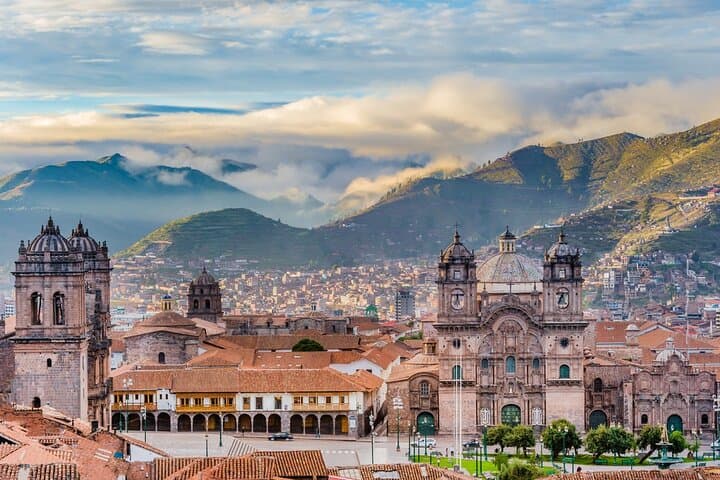
You step off the plane into thin, bright air and the city of Cusco unfolds in stone: narrow streets, carved lintels, and the hum of Quechua markets. The first afternoon traces Inca mastery at Qoricancha and the terraced walls of Sacsayhuamán, where limestone blocks still seem to hold their own against the Andes’ slow motion.
You step off the plane into thin, bright air and the city of Cusco unfolds in stone: narrow streets, carved lintels, and the hum of Quechua markets. The first afternoon traces Inca mastery at Qoricancha and the terraced walls of Sacsayhuamán, where limestone blocks still seem to hold their own against the Andes’ slow motion.
Across the next days the itinerary threads archaeology and alpine geology. The Sacred Valley—Pisaq’s cliffside ruins and Ollantaytambo’s living terraces—reveals agricultural engineering tuned to microclimates. The train to Aguas Calientes drops you into the humid canyon below Machu Picchu (≈2,430 m), the citadel perched on folded volcanic andesite carved by rivers and human hands. Higher still, Humantay Lagoon sits at about 4,200 m after a 1h40 ascent from Soraypampa (3,900 m); its glacial-fed blue refuses to be polite. Vinicunca, the Mountain of Seven Colors, tops near 5,080 m after another 1h40 climb—its stripes are weathered mineral layers exposed by erosion and past glacial abrasion.
Practical edge: altitude rules the trip—move slowly, hydrate, and expect active days of 3–8 hours. Good boots, layered insulation, sun protection, and a small daypack make the difference between a memorable summit view and a forced rest. Trains and park permits are scheduled; the group size is small (up to 18), and the route includes guided cultural stops, breakfasts, and several lunches. If you want the sunrise at Machu Picchu or the quiet at Humantay, plan your sleep and water strategy in advance.