THE ADVENTURE COLLECTIVE® · Independent discovery and booking for outdoor travel

Travel from Lima’s coast to the high Andes on a six-day circuit through Cusco, the Sacred Valley and Machu Picchu. This guide covers what to expect, key cultural and geological notes, and the practical prep that makes the trip smoother.
Travel from Lima’s coast to the high Andes on a six-day circuit through Cusco, the Sacred Valley and Machu Picchu. This guide covers what to expect, key cultural and geological notes, and the practical prep that makes the trip smoother.
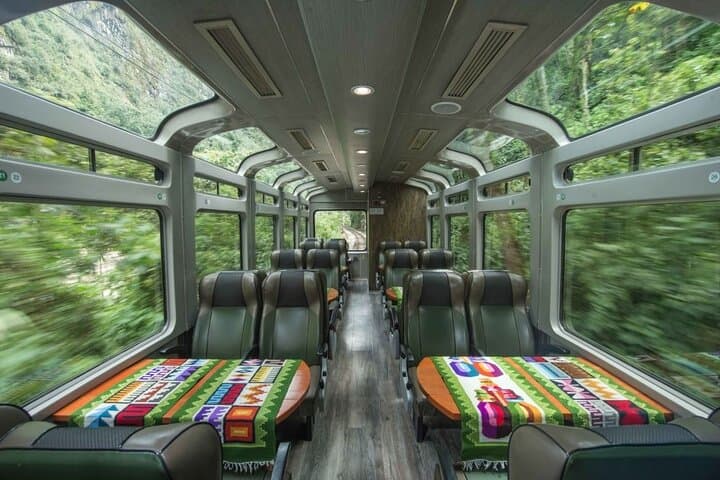
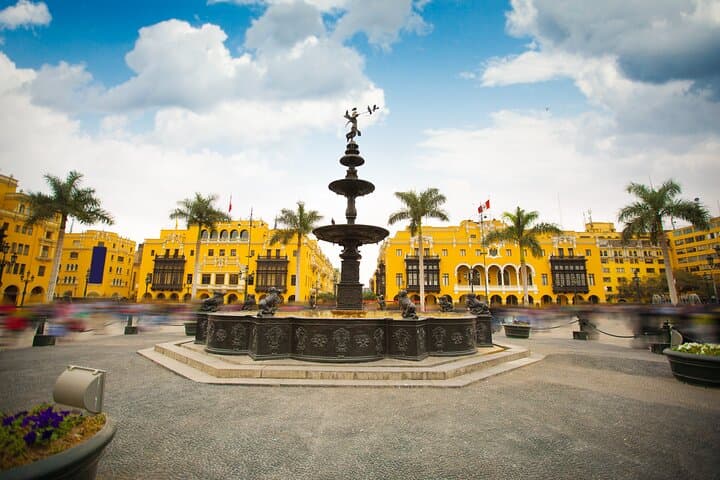
You step off the Vistadome into a highland town where mist clings to eucalyptus and the train tracks hum with yesterday’s stories — this is the approach to Machu Picchu and the Sacred Valley. Over six days the trip moves from Lima’s colonial streets and ocean breeze to Cusco’s high-plateau air, then down into terraced valleys where Inca stonework and salt ponds carve the landscape.
Verified experiences and guided adventures in the surrounding area.
Operated by FLY CUSCO Perú Travel Agency · Aguas Calientes, Cusco
You step off the Vistadome into a highland town where mist clings to eucalyptus and the train tracks hum with yesterday’s stories — this is the approach to Machu Picchu and the Sacred Valley. Over six days the trip moves from Lima’s colonial streets and ocean breeze to Cusco’s high-plateau air, then down into terraced valleys where Inca stonework and salt ponds carve the landscape.
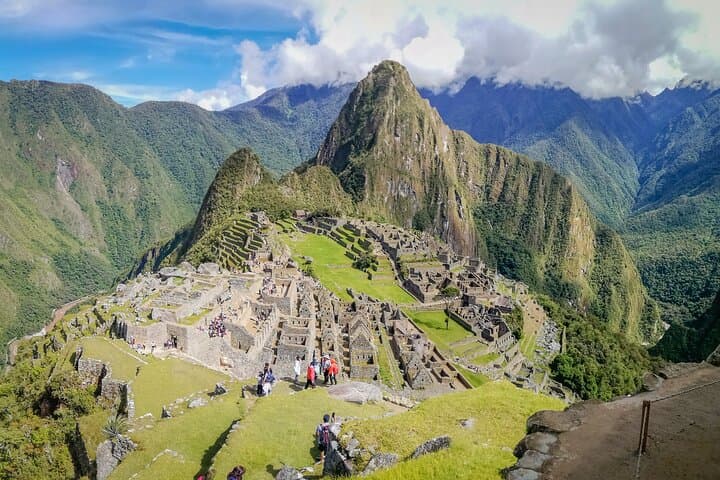
Geology here is dramatic: uplifted Andes folded into steep river-cut canyons, and the porous salt pans at Maras catch Andean runoff in a chequerboard of shallow pools. Culturally, the valley is alive — Chinchero’s weaving families maintain natural-dye techniques and Ollantaytambo’s fortress offers a living example of Inca urban planning. Machu Picchu, perched at 2,430 m, is both archaeological puzzle and imposing skyline, its granite blocks fitted with precision that resists erosion and time.
Practically, expect early flights between Lima and Cusco, acclimatization windows, and a mix of gentle walks and short steep climbs at altitude. Trains to Aguas Calientes deliver scenic, close-up canyon views; buses climb the final switchbacks to the sanctuary gate. Pack layers for sun, wind and sudden rain, and allow extra time for transport connections.
Useful habits: moderate daily pacing to reduce altitude effects, cash for small markets and tips, and respectful behavior at archaeological sites (no drone use or climbing on ruins). Guides often handle tickets and transfers — confirm train class and Machu Picchu entrance time in advance. This itinerary pairs cultural immersion with high-altitude landscapes, delivering both practical logistics and a memorable walk through Andean history.
moderate.
6 days.
Suitable for travelers with moderate fitness comfortable with walking several hours across uneven terrain and brief uphill sections at altitude.
Yes — official entry requires the same passport used to reserve your Machu Picchu ticket; guides will check it at the gate.
Expect 2–4 hours of walking on uneven stone paths and some steps; you can choose shorter routes with your guide if needed.
Cusco sits around 3,400 m; take it easy the first day, hydrate, avoid alcohol, and consult a doctor about altitude medication if prone to symptoms.
Yes — the tour indicates vegetarian options and requests for special diets can be noted at booking; still carry snacks for long travel segments.
The Sacred Valley was a core agricultural and administrative area of the Inca Empire; sites like Ollantaytambo served military and ritual roles during the Spanish incursion.
Machu Picchu and surrounding reserves limit daily visitors and enforce strict trail rules; follow leave-no-trace principles and use official facilities to reduce impact.
FLY CUSCO Perú Travel Agency operates guided outdoor trips and adventures with an emphasis on safety, stewardship, and memorable experiences.

You step off the Vistadome into a highland town where mist clings to eucalyptus and the train tracks hum with yesterday’s stories — this is the approach to Machu Picchu and the Sacred Valley. Over six days the trip moves from Lima’s colonial streets and ocean breeze to Cusco’s high-plateau air, then down into terraced valleys where Inca stonework and salt ponds carve the landscape.
You step off the Vistadome into a highland town where mist clings to eucalyptus and the train tracks hum with yesterday’s stories — this is the approach to Machu Picchu and the Sacred Valley. Over six days the trip moves from Lima’s colonial streets and ocean breeze to Cusco’s high-plateau air, then down into terraced valleys where Inca stonework and salt ponds carve the landscape.
Geology here is dramatic: uplifted Andes folded into steep river-cut canyons, and the porous salt pans at Maras catch Andean runoff in a chequerboard of shallow pools. Culturally, the valley is alive — Chinchero’s weaving families maintain natural-dye techniques and Ollantaytambo’s fortress offers a living example of Inca urban planning. Machu Picchu, perched at 2,430 m, is both archaeological puzzle and imposing skyline, its granite blocks fitted with precision that resists erosion and time.
Practically, expect early flights between Lima and Cusco, acclimatization windows, and a mix of gentle walks and short steep climbs at altitude. Trains to Aguas Calientes deliver scenic, close-up canyon views; buses climb the final switchbacks to the sanctuary gate. Pack layers for sun, wind and sudden rain, and allow extra time for transport connections.
Useful habits: moderate daily pacing to reduce altitude effects, cash for small markets and tips, and respectful behavior at archaeological sites (no drone use or climbing on ruins). Guides often handle tickets and transfers — confirm train class and Machu Picchu entrance time in advance. This itinerary pairs cultural immersion with high-altitude landscapes, delivering both practical logistics and a memorable walk through Andean history.