THE ADVENTURE COLLECTIVE® · Independent discovery and booking for outdoor travel

A measured, six-day route through Cusco’s highland heart that pairs Inca archaeology with living Andean culture. From Sacsayhuamán to Machu Picchu, this guided itinerary balances logistical ease with immersive site visits.
A measured, six-day route through Cusco’s highland heart that pairs Inca archaeology with living Andean culture. From Sacsayhuamán to Machu Picchu, this guided itinerary balances logistical ease with immersive site visits.
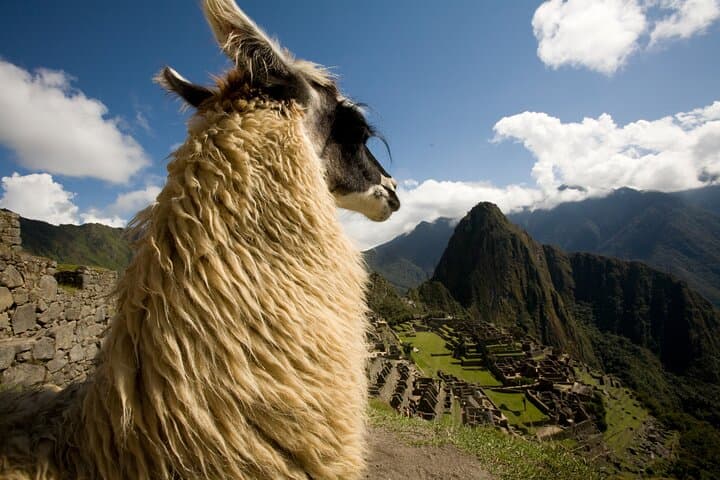
High-altitude air sharpens the senses as you step from a transfer into Cusco’s cobbled center: wind pushes at wool ponchos, llamas peer from market stalls, and stone walls still hold the weight of centuries.
Verified experiences and guided adventures in the surrounding area.
Operated by VIPAC Travel · Cusco, Cusco Region
High-altitude air sharpens the senses as you step from a transfer into Cusco’s cobbled center: wind pushes at wool ponchos, llamas peer from market stalls, and stone walls still hold the weight of centuries.
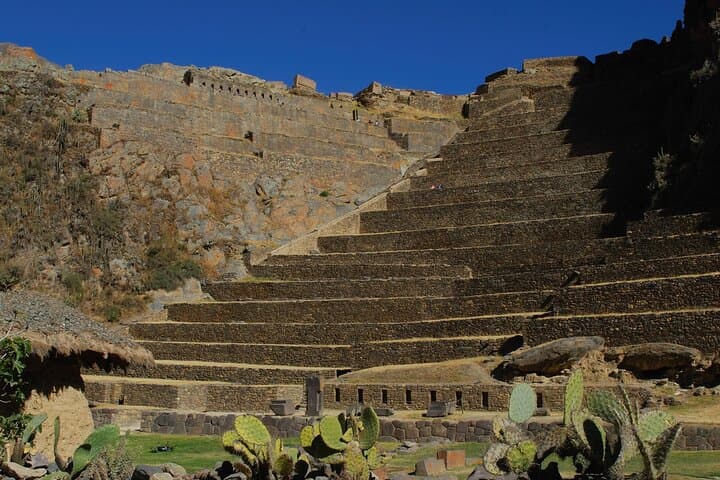
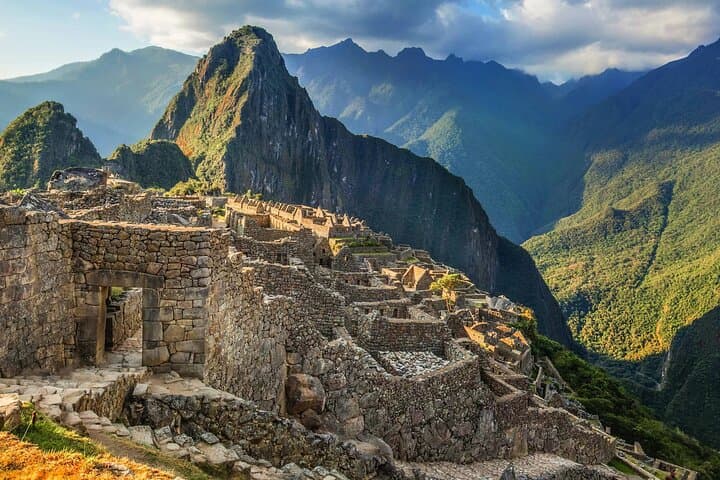
Over six days the route moves from colonial plazas to the brink of the Urubamba canyon and up into the terraces and shrines of the Inca world. The tour visits Sacsayhuamán’s monumental masonry, the concentric agricultural bowls of Moray and the patchwork white of the Maras salt pans before the narrow-gauge train slips through Andean folds to Aguas Calientes and the daybreak reveal of Machu Picchu. Geologically, the hikeable corridors follow broken ridgelines carved by glacial and river erosion; culturally, the trip threads Quechua living traditions—textile weaving, camelid herding and market bargaining—through ancient ceremonial sites.
Expect tight switchback roads, steep stone stairways at sites and thin, dry mountain air: even gentle walks feel harder above 3,300 m. The itinerary includes private transfers, expert guiding, several hotels and one night in Aguas Calientes, making logistics straightforward for travelers who prefer a guided pace.
Practical guidance: acclimatize in Cusco for 24–48 hours before intense walking, carry sun protection and a light waterproof, and use comfortable boots with good ankle support. Reserve Machu Picchu entrance times early in the morning to avoid crowds and allow time for the Ollantaytambo-to-Aguas Calientes train. Hydrate proactively and pack layers—days can be warm, nights cold. With planning, the journey balances immersive history, geological spectacle and manageable logistics for an accessible highland adventure.
moderate.
6 days.
Moderate fitness recommended; able to walk several hours at altitude and climb stone steps.
Daily activity varies—some days include short walks in archaeological sites (30–90 minutes); others require longer periods of standing and stair climbing, especially at Machu Picchu.
Yes—many travelers experience mild symptoms. Rest upon arrival to Cusco, drink fluids, avoid alcohol and consult your doctor about preventive medication if prone to altitude illness.
The tour includes private transfers and guiding; confirm whether Machu Picchu entry and the Ollantaytambo–Aguas Calientes train are included when booking, as operators sometimes require separate reservations.
The dry season (May–September) offers clearer skies and easier walking; shoulder months can be less crowded while the wet season (Nov–Mar) brings green scenery but more frequent rain.
The route traces core Inca infrastructure: agricultural terraces, ritual plazas and road networks that tied highland polities to Cusco, the empire’s administrative heart.
High foot traffic at Machu Picchu and valley sites pressures fragile soils and water; follow marked paths, avoid single-use plastics and support local guides and community-run projects.
VIPAC Travel operates guided outdoor trips and adventures with an emphasis on safety, stewardship, and memorable experiences.

High-altitude air sharpens the senses as you step from a transfer into Cusco’s cobbled center: wind pushes at wool ponchos, llamas peer from market stalls, and stone walls still hold the weight of centuries.
High-altitude air sharpens the senses as you step from a transfer into Cusco’s cobbled center: wind pushes at wool ponchos, llamas peer from market stalls, and stone walls still hold the weight of centuries.
Over six days the route moves from colonial plazas to the brink of the Urubamba canyon and up into the terraces and shrines of the Inca world. The tour visits Sacsayhuamán’s monumental masonry, the concentric agricultural bowls of Moray and the patchwork white of the Maras salt pans before the narrow-gauge train slips through Andean folds to Aguas Calientes and the daybreak reveal of Machu Picchu. Geologically, the hikeable corridors follow broken ridgelines carved by glacial and river erosion; culturally, the trip threads Quechua living traditions—textile weaving, camelid herding and market bargaining—through ancient ceremonial sites.
Expect tight switchback roads, steep stone stairways at sites and thin, dry mountain air: even gentle walks feel harder above 3,300 m. The itinerary includes private transfers, expert guiding, several hotels and one night in Aguas Calientes, making logistics straightforward for travelers who prefer a guided pace.
Practical guidance: acclimatize in Cusco for 24–48 hours before intense walking, carry sun protection and a light waterproof, and use comfortable boots with good ankle support. Reserve Machu Picchu entrance times early in the morning to avoid crowds and allow time for the Ollantaytambo-to-Aguas Calientes train. Hydrate proactively and pack layers—days can be warm, nights cold. With planning, the journey balances immersive history, geological spectacle and manageable logistics for an accessible highland adventure.