THE ADVENTURE COLLECTIVE® · Independent discovery and booking for outdoor travel

A six-day loop through Cusco, the Sacred Valley, Machu Picchu, Rainbow Mountain and Humantay Lake that pairs Inca history with high-Andean hikes. Expect high-altitude trails, mineral-striped peaks, glacier-fed lakes and practical logistics around Machu Picchu ticketing.
A six-day loop through Cusco, the Sacred Valley, Machu Picchu, Rainbow Mountain and Humantay Lake that pairs Inca history with high-Andean hikes. Expect high-altitude trails, mineral-striped peaks, glacier-fed lakes and practical logistics around Machu Picchu ticketing.
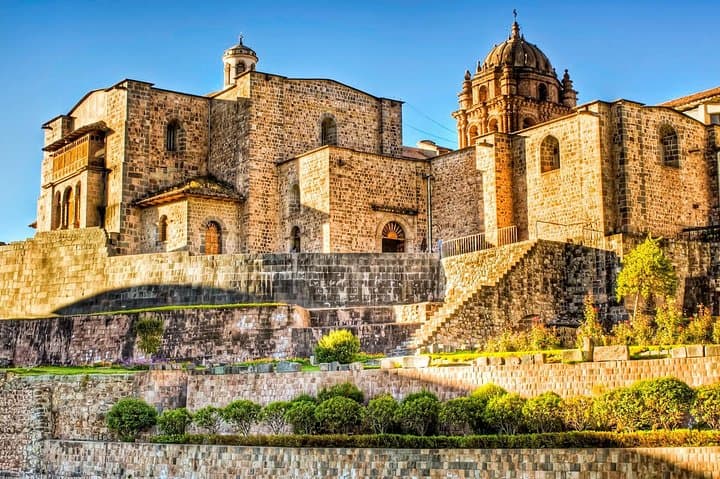
Morning light slides across Cusco’s Plaza de Armas and the air feels thin and honest—cold, bright, and alert. You’ll set off from this highland hub into a landscape that pushes and tests: the train rumbles toward Aguas Calientes, rivers dare the valley floor, and alpine wind shapes cloud-bent ridgelines.
Verified experiences and guided adventures in the surrounding area.
Operated by Chullos Travel Peru · Cusco, Cusco Region
Morning light slides across Cusco’s Plaza de Armas and the air feels thin and honest—cold, bright, and alert. You’ll set off from this highland hub into a landscape that pushes and tests: the train rumbles toward Aguas Calientes, rivers dare the valley floor, and alpine wind shapes cloud-bent ridgelines.
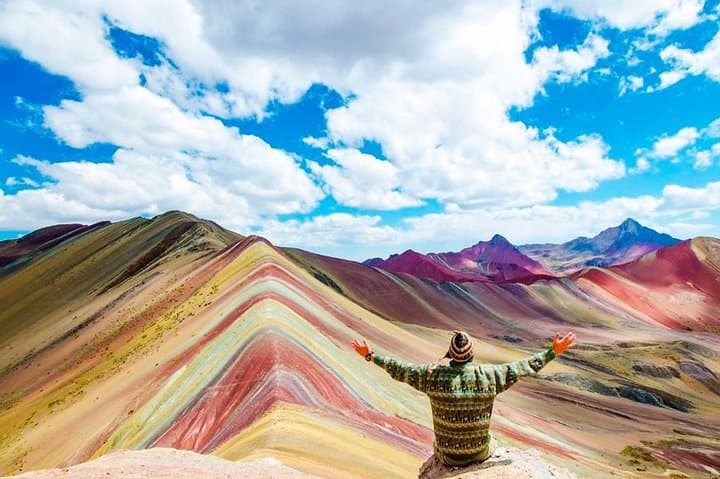
This circuit threads the Inca world and Andean geology. Cusco was the imperial hub for the Tawantinsuyo; terraces in the Sacred Valley show intentional engineering to tame steep soil and microclimates. Rainbow Mountain’s stripes are oxidized minerals exposed by uplift and erosion; Humantay Lake sits at a glacial terminus, a pocket of turquoise water formed where ice once carved a bowl.
Quechua communities still farm the slopes and sell woven textiles in markets at Pisac and Ollantaytambo; guides provide bilingual context and local lore. Expect high-altitude puna grasslands, rocky switchbacks, and brief stretches of loose scree on the Rainbow Mountain approach.
Practical guide: acclimatize in Cusco (3,400 m) for at least 24–48 hours before big ascents. Rainbow Mountain: roughly 1–1.5 hours up from the trailhead (trailhead ~4,300 m; summit about 5,020 m), steep with ~450 m elevation gain. Humantay Lake: ~1.5 hours one way from Soraypampa, ascent ~350 m to ~4,250 m. Machu Picchu sits lower (~2,430 m) but requires advance ticketing—tickets are controlled by Peru’s Ministry of Culture and can sell out.
Bring layers, sun protection, and extra water; plan early departures to avoid afternoon weather. The route rewards patience: archaeological terraces, sudden turquoise lakes, and the quiet of high-altitude air that insists you move deliberately.
moderate.
6 days.
Moderate fitness: able to hike 1–3 hours at high elevation and handle repeated bus/train transfers.
Yes—entrance is controlled by Peru’s Ministry of Culture and availability varies; tickets are purchased according to available circuits and should be secured well before travel.
The hike is short but steep at high altitude (about 1–1.5 hours one way); expect ~450 m of ascent and thin air—pacing and acclimatization are key.
Most people with moderate fitness can do the 1.5-hour ascent, but it's at ~4,250 m; those with cardiovascular or severe health issues should consult a doctor and the operator’s restrictions.
Weather is variable—sunny mornings turn to wind or rain by afternoon, especially in the wet season (Nov–Mar); pack layers, rain protection, and sturdy footwear.
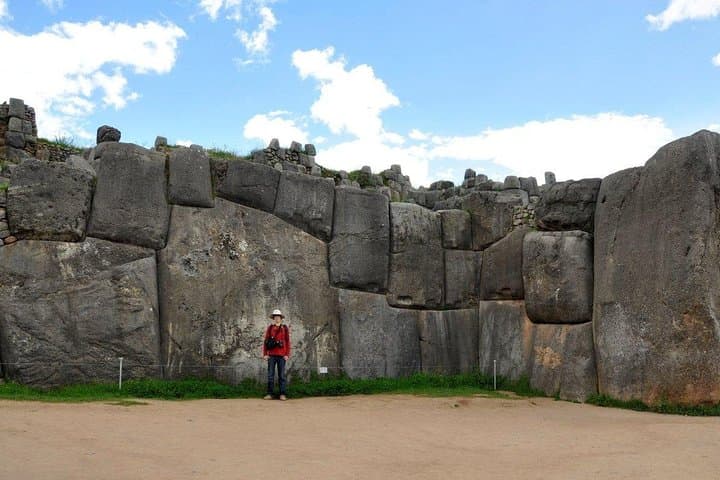
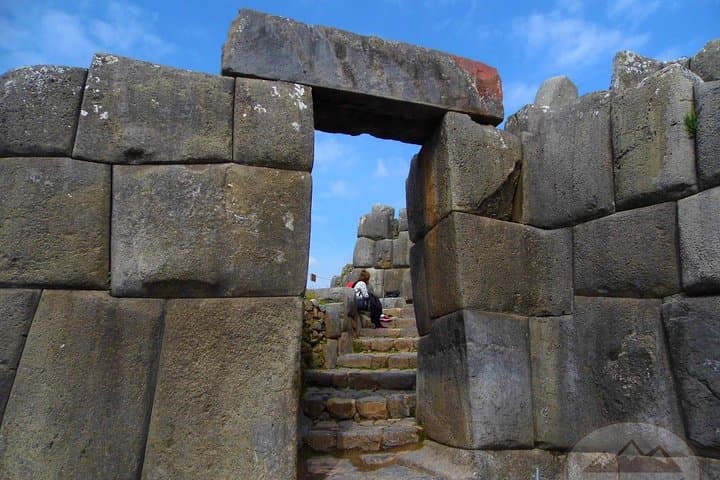
Cusco was the capital of the Inca Empire and the Sacred Valley was an engineered agricultural backbone supplying food, textiles and ceremonial crops.
Machupicchu and surrounding areas are regulated to limit visitor impact—stick to trails, avoid single-use plastics, and follow guide directions to protect fragile high‑Andean ecosystems.
Chullos Travel Peru operates guided outdoor trips and adventures with an emphasis on safety, stewardship, and memorable experiences.
Morning light slides across Cusco’s Plaza de Armas and the air feels thin and honest—cold, bright, and alert. You’ll set off from this highland hub into a landscape that pushes and tests: the train rumbles toward Aguas Calientes, rivers dare the valley floor, and alpine wind shapes cloud-bent ridgelines.
Morning light slides across Cusco’s Plaza de Armas and the air feels thin and honest—cold, bright, and alert. You’ll set off from this highland hub into a landscape that pushes and tests: the train rumbles toward Aguas Calientes, rivers dare the valley floor, and alpine wind shapes cloud-bent ridgelines.
This circuit threads the Inca world and Andean geology. Cusco was the imperial hub for the Tawantinsuyo; terraces in the Sacred Valley show intentional engineering to tame steep soil and microclimates. Rainbow Mountain’s stripes are oxidized minerals exposed by uplift and erosion; Humantay Lake sits at a glacial terminus, a pocket of turquoise water formed where ice once carved a bowl.
Quechua communities still farm the slopes and sell woven textiles in markets at Pisac and Ollantaytambo; guides provide bilingual context and local lore. Expect high-altitude puna grasslands, rocky switchbacks, and brief stretches of loose scree on the Rainbow Mountain approach.
Practical guide: acclimatize in Cusco (3,400 m) for at least 24–48 hours before big ascents. Rainbow Mountain: roughly 1–1.5 hours up from the trailhead (trailhead ~4,300 m; summit about 5,020 m), steep with ~450 m elevation gain. Humantay Lake: ~1.5 hours one way from Soraypampa, ascent ~350 m to ~4,250 m. Machu Picchu sits lower (~2,430 m) but requires advance ticketing—tickets are controlled by Peru’s Ministry of Culture and can sell out.
Bring layers, sun protection, and extra water; plan early departures to avoid afternoon weather. The route rewards patience: archaeological terraces, sudden turquoise lakes, and the quiet of high-altitude air that insists you move deliberately.