THE ADVENTURE COLLECTIVE® · Independent discovery and booking for outdoor travel

Drive the High Atlas, sleep under the Sahara stars and wander blue alleys — a private six-day loop from Marrakech to Merzouga, Fes and Chefchaouen that pairs dramatic geology with living Berber culture.
Drive the High Atlas, sleep under the Sahara stars and wander blue alleys — a private six-day loop from Marrakech to Merzouga, Fes and Chefchaouen that pairs dramatic geology with living Berber culture.
Morning in Marrakech feels like a bell: the minarets call, the driver closes the van door, and the road climbs toward the High Atlas. By mid-morning the pass at Tizi n’Tichka (about 2,260 m) opens a high, stony horizon; kasbahs and Berber villages tighten around the road and the world simplifies to ochre, stone and long light.
Verified experiences and guided adventures in the surrounding area.
Operated by Safari Desert Tours · Marrakech, Marrakech-Safi
Morning in Marrakech feels like a bell: the minarets call, the driver closes the van door, and the road climbs toward the High Atlas. By mid-morning the pass at Tizi n’Tichka (about 2,260 m) opens a high, stony horizon; kasbahs and Berber villages tighten around the road and the world simplifies to ochre, stone and long light.
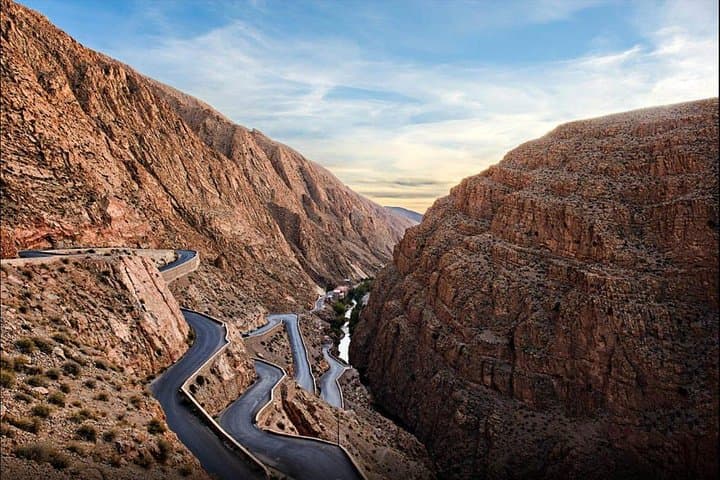
This six-day loop threads Morocco’s geological and cultural chapters: the earthen citadel of Ait Ben Haddou (UNESCO), the carved canyons of Dades and Todgha where limestone walls dare you to look up, and the red seas of Erg Chebbi at Merzouga where wind has sculpted dunes that can top 100–150 m. Between plateaus and peaks lie palm groves, the fossil-rich flanks of Erfoud and the unexpectedly cool cedar and pine areas around Ifrane — nicknamed Morocco’s little Switzerland.
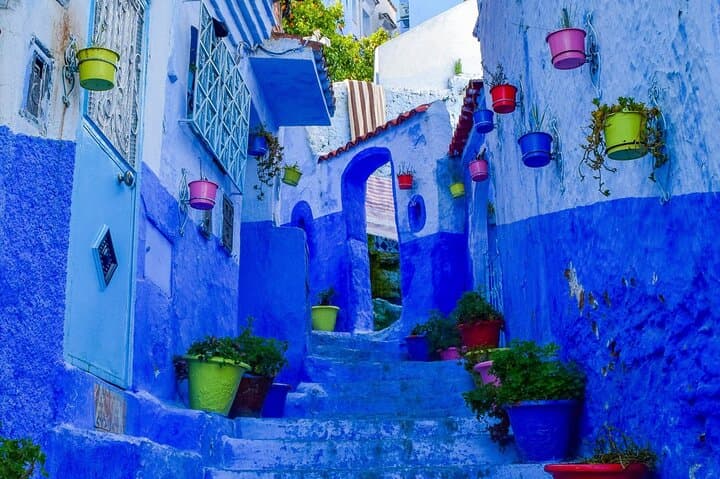
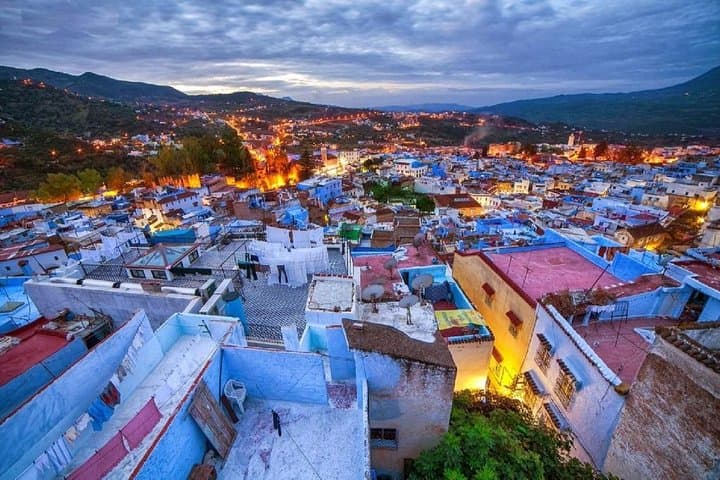
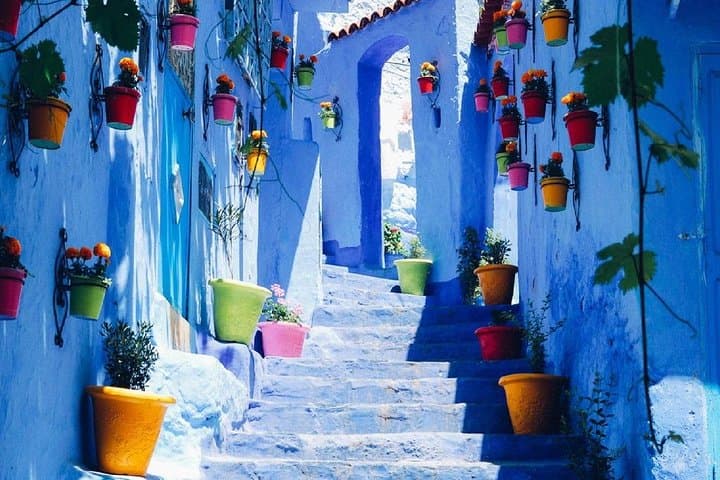
Culturally the route is braided with Amazigh (Berber) heritage, caravan-era kasbahs, and the labyrinthine medina of Fes with its medieval medina and tanneries. Chefchaouen’s alleys, rinsed in blue pigment, offer quieter streets and artisanal crafts to contrast busier imperial cities.
Practical note: expect long driving days (several hours between major stops), one overnight in a desert camp with a 1–1.5 hour camel trek at sunset, and cool nights in the desert and mountain passes. Pack sturdy walking shoes, sun protection, a warm layer for nights, and a refillable water bottle. Travel light on guided days and leave room to move slowly through medina lanes — the trip balances cinematic landscapes with hands-on cultural stops and requires both curiosity and basic mobility.
moderate.
6 days.
Suitable for travelers who can handle several hours of walking on uneven surfaces, short hikes in gorges, and a camel ride; basic mobility and stamina required.
The typical camel trek is about 1 to 1.5 hours each way to the desert camp, planned for sunset and return at sunrise the next morning.
Yes — the itinerary includes riads/hotels in several towns and a luxury-style Berber tented camp in Merzouga with dinner and breakfast.
The tour is private and adaptable, but there are long vehicle transfers and uneven surfaces; inform the operator about mobility or infant seat needs in advance.
Visa requirements depend on your nationality; routine vaccinations are recommended and always check current travel health guidance before departure.
Many stops follow old caravan routes connecting the Sahara to Marrakech; Ait Ben Haddou was a strategic fortified town on those medieval trade lines.
Respect local water use and avoid single-use plastics; fragile dune ecosystems and kasbah mud-brick structures are vulnerable to erosion and visitor impact.
Safari Desert Tours operates guided outdoor trips and adventures with an emphasis on safety, stewardship, and memorable experiences.
Morning in Marrakech feels like a bell: the minarets call, the driver closes the van door, and the road climbs toward the High Atlas. By mid-morning the pass at Tizi n’Tichka (about 2,260 m) opens a high, stony horizon; kasbahs and Berber villages tighten around the road and the world simplifies to ochre, stone and long light.
Morning in Marrakech feels like a bell: the minarets call, the driver closes the van door, and the road climbs toward the High Atlas. By mid-morning the pass at Tizi n’Tichka (about 2,260 m) opens a high, stony horizon; kasbahs and Berber villages tighten around the road and the world simplifies to ochre, stone and long light.
This six-day loop threads Morocco’s geological and cultural chapters: the earthen citadel of Ait Ben Haddou (UNESCO), the carved canyons of Dades and Todgha where limestone walls dare you to look up, and the red seas of Erg Chebbi at Merzouga where wind has sculpted dunes that can top 100–150 m. Between plateaus and peaks lie palm groves, the fossil-rich flanks of Erfoud and the unexpectedly cool cedar and pine areas around Ifrane — nicknamed Morocco’s little Switzerland.
Culturally the route is braided with Amazigh (Berber) heritage, caravan-era kasbahs, and the labyrinthine medina of Fes with its medieval medina and tanneries. Chefchaouen’s alleys, rinsed in blue pigment, offer quieter streets and artisanal crafts to contrast busier imperial cities.
Practical note: expect long driving days (several hours between major stops), one overnight in a desert camp with a 1–1.5 hour camel trek at sunset, and cool nights in the desert and mountain passes. Pack sturdy walking shoes, sun protection, a warm layer for nights, and a refillable water bottle. Travel light on guided days and leave room to move slowly through medina lanes — the trip balances cinematic landscapes with hands-on cultural stops and requires both curiosity and basic mobility.