THE ADVENTURE COLLECTIVE® · Independent discovery and booking for outdoor travel

A six-day mobile camping safari that threads Lake Manyara’s forests, Ngorongoro’s caldera and the vast plains of the Serengeti. Expect long game drives, cold crater nights and intimate wildlife encounters guided by local experts.
A six-day mobile camping safari that threads Lake Manyara’s forests, Ngorongoro’s caldera and the vast plains of the Serengeti. Expect long game drives, cold crater nights and intimate wildlife encounters guided by local experts.
The morning opens with a thin, cold light over Arusha; diesel and dust mingle with the scent of roasted coffee as your guide checks the canvas of the rooftop tent. By the time the convoy rolls out the city gives way to acacia-dotted savanna and the land starts to tell a different story—big sky that pushes the horizon toward the first park, Lake Manyara.
Verified experiences and guided adventures in the surrounding area.
Operated by Ben Adventure Travels · Arusha, Arusha Region
The morning opens with a thin, cold light over Arusha; diesel and dust mingle with the scent of roasted coffee as your guide checks the canvas of the rooftop tent. By the time the convoy rolls out the city gives way to acacia-dotted savanna and the land starts to tell a different story—big sky that pushes the horizon toward the first park, Lake Manyara.
Lake Manyara greets you with a shallow blue that dares the flamingos to crowd its shore. Drives here are short but sensory: the ground alternates between saline flats and dense gallery forest where monkeys chatter above and the damp earth gives off a green smell that stays in your nostrils. Move on toward the Ngorongoro Conservation Area and the world changes again—the road climbs, the air thins and the rim of the crater appears like a vast, broken ring.
Ngorongoro’s 600–800m descent from rim to floor is a rare kind of vertical drama in East Africa. On the crater floor, lions laze, waterbucks graze and the crater’s lake marshes suggest how geology and time made a self-contained wilderness. Then the Serengeti unfolds: an ocean of grass, punctuated by kopjes and the slow, patient migration of life.
This six-day loop is both geological primer and crash course in East African ecology. Lake Manyara sits in the Rift Valley system, fed by groundwater and seasonal inflows. Ngorongoro is an ancient volcanic caldera whose preserved grasslands and forest patches owe their existence to a collapsed magma chamber. The Serengeti’s endless plains are a product of weather, soil and millennia of grazing that keep the landscape open.
Culturally, the route threads through Maasai land—look for ochre-clad herders tending small herds against the backdrop of big mammals. Your guides are often local, fluent in ecology and expedition logistics; they are the reason camping here feels both adventurous and secure.
Practicalities: expect long game drives—daily driving can range from 2 to 6 hours—and variable terrain from gravel tracks to short off-road stretches. Elevations vary: Arusha ~1,400m, crater rim ~2,200–2,400m, crater floor ~1,700–1,900m. Nights can be cold, especially on the rim; daytime temperatures across the parks range from the mid-20s°C to highs near 30°C in the Serengeti.
Pack for early starts and late nights: layers, a warm sleeping bag rated to near-freezing, and a reliable headlamp. Hydrate—bottles and a refill plan from your camp crew. Camera batteries drain fast in dust and sun, so bring spares and a dust cover. Finally, let the pace of the parks set your rhythm: drive, stop, watch; the land will decide the next move.
moderate.
6 days.
Suitable for travelers in average fitness—daily drives with short walks; be prepared for early starts and uneven ground during short excursions.
This is mobile, communal camping with tents and camp beds provided by the crew—comfortable but rustic, not luxury glamping.
Most breakfasts, lunches (5) and dinners (4) are included—your operator will confirm dietary options when you book.
Yes, but check operator age policies; terrain and long drives can be challenging for very young children.
Consult a travel clinic—vaccinations and malaria prevention are commonly recommended for Tanzania, including yellow fever proof in some itineraries.
High—Lake Manyara, Ngorongoro and Serengeti are prime habitats; sightings include large herbivores, predators and abundant birdlife, though wildlife is never guaranteed.
Parks fees and camping equipment are usually included—confirm specifics and any optional extras like hot showers or private tents before booking.
The Ngorongoro crater forms part of an ancient volcanic complex and was declared a conservation area in 1959 to protect its unique ecosystem and Maasai pastoral land.
Tour operators work within strict conservation guidelines and campsite rules; follow leave-no-trace practice and avoid feeding or disturbing wildlife to protect fragile habitats.
Ben Adventure Travels operates guided outdoor trips and adventures with an emphasis on safety, stewardship, and memorable experiences.
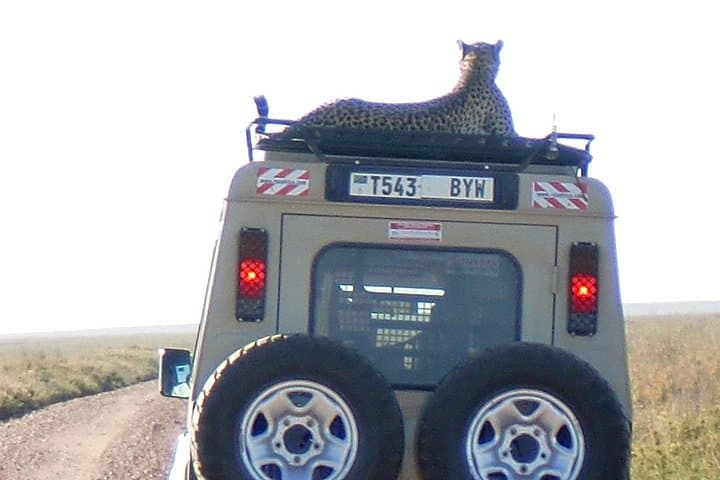
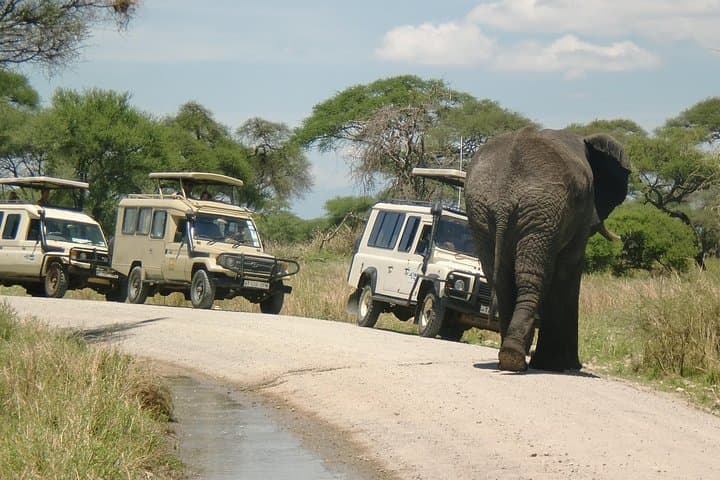
The morning opens with a thin, cold light over Arusha; diesel and dust mingle with the scent of roasted coffee as your guide checks the canvas of the rooftop tent. By the time the convoy rolls out the city gives way to acacia-dotted savanna and the land starts to tell a different story—big sky that pushes the horizon toward the first park, Lake Manyara.
The morning opens with a thin, cold light over Arusha; diesel and dust mingle with the scent of roasted coffee as your guide checks the canvas of the rooftop tent. By the time the convoy rolls out the city gives way to acacia-dotted savanna and the land starts to tell a different story—big sky that pushes the horizon toward the first park, Lake Manyara.
Lake Manyara greets you with a shallow blue that dares the flamingos to crowd its shore. Drives here are short but sensory: the ground alternates between saline flats and dense gallery forest where monkeys chatter above and the damp earth gives off a green smell that stays in your nostrils. Move on toward the Ngorongoro Conservation Area and the world changes again—the road climbs, the air thins and the rim of the crater appears like a vast, broken ring.
Ngorongoro’s 600–800m descent from rim to floor is a rare kind of vertical drama in East Africa. On the crater floor, lions laze, waterbucks graze and the crater’s lake marshes suggest how geology and time made a self-contained wilderness. Then the Serengeti unfolds: an ocean of grass, punctuated by kopjes and the slow, patient migration of life.
This six-day loop is both geological primer and crash course in East African ecology. Lake Manyara sits in the Rift Valley system, fed by groundwater and seasonal inflows. Ngorongoro is an ancient volcanic caldera whose preserved grasslands and forest patches owe their existence to a collapsed magma chamber. The Serengeti’s endless plains are a product of weather, soil and millennia of grazing that keep the landscape open.
Culturally, the route threads through Maasai land—look for ochre-clad herders tending small herds against the backdrop of big mammals. Your guides are often local, fluent in ecology and expedition logistics; they are the reason camping here feels both adventurous and secure.
Practicalities: expect long game drives—daily driving can range from 2 to 6 hours—and variable terrain from gravel tracks to short off-road stretches. Elevations vary: Arusha ~1,400m, crater rim ~2,200–2,400m, crater floor ~1,700–1,900m. Nights can be cold, especially on the rim; daytime temperatures across the parks range from the mid-20s°C to highs near 30°C in the Serengeti.
Pack for early starts and late nights: layers, a warm sleeping bag rated to near-freezing, and a reliable headlamp. Hydrate—bottles and a refill plan from your camp crew. Camera batteries drain fast in dust and sun, so bring spares and a dust cover. Finally, let the pace of the parks set your rhythm: drive, stop, watch; the land will decide the next move.