THE ADVENTURE COLLECTIVE® · Independent discovery and booking for outdoor travel

Trace elephants in Amboseli, pink shorelines at Lake Nakuru and the river crossings of the Masai Mara on this six-day small-group camping safari. Early starts, long drives and roadside viewpoints deliver the best wildlife moments—come prepared for dusty tracks and dramatic scenes.
Trace elephants in Amboseli, pink shorelines at Lake Nakuru and the river crossings of the Masai Mara on this six-day small-group camping safari. Early starts, long drives and roadside viewpoints deliver the best wildlife moments—come prepared for dusty tracks and dramatic scenes.
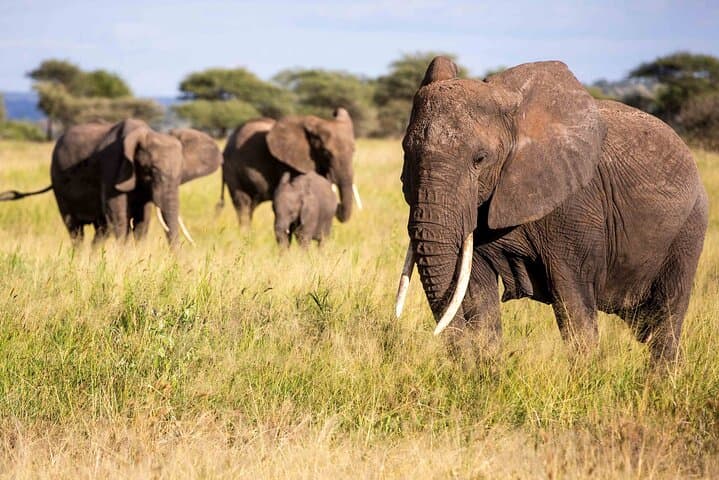
The first light in Kenya spills across flat grassland and a distant silhouette of Mount Kilimanjaro, and you are already on a dusty track watching elephants pick their way through acacia. Over six days this small-group camping safari moves from the low plains of Amboseli to the alkaline shallows of Lake Nakuru and the river-lined valleys of the Masai Mara, trading landscapes as often as sightings.
Verified experiences and guided adventures in the surrounding area.
Operated by Wellington Ecotours and Safaris · Nairobi, Nairobi County
The first light in Kenya spills across flat grassland and a distant silhouette of Mount Kilimanjaro, and you are already on a dusty track watching elephants pick their way through acacia. Over six days this small-group camping safari moves from the low plains of Amboseli to the alkaline shallows of Lake Nakuru and the river-lined valleys of the Masai Mara, trading landscapes as often as sightings.
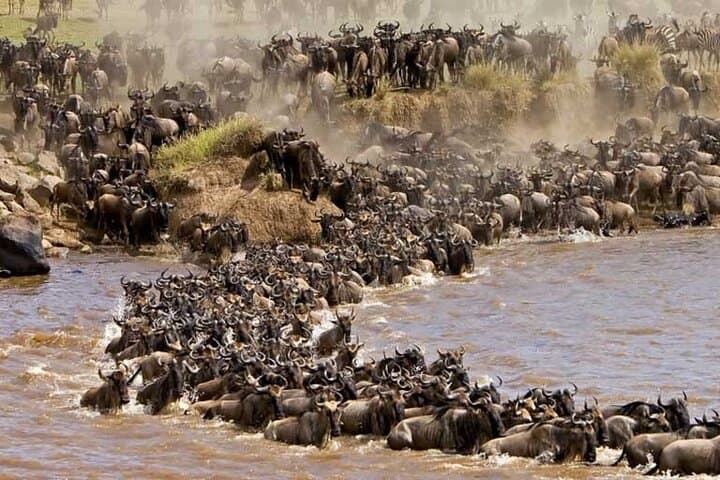
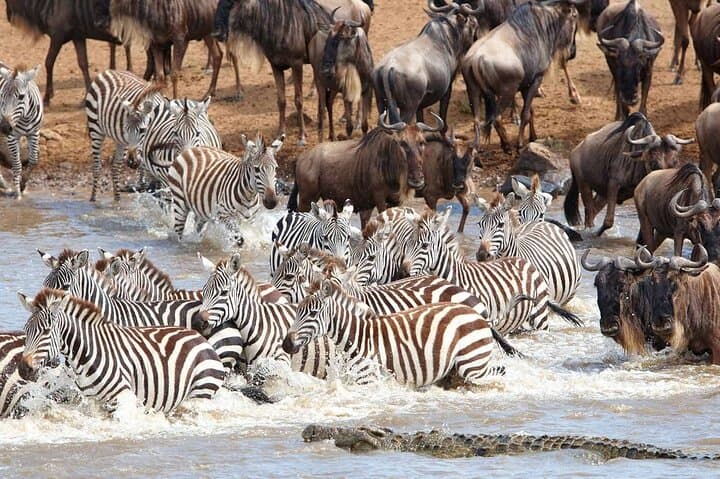
Amboseli’s compact savanna sits on the floor of the East African Rift, a place where volcanic soils and seasonal floodplains feed large elephant families. Lake Nakuru occupies a Rift Valley basin famed for its flamingo flocks, razor-edged escarpments and soda-alkaline waters. The Masai Mara, part of the Serengeti-Mara ecosystem, is grassland punctuated by riverine corridors where the annual wildebeest migration twists through shallow crossings.
Cultural notes: Maasai communities have grazed these plains for centuries; their presence shapes local conservation approaches and visitor etiquette. Colonial and post-colonial land policies created many of today’s protected areas, and tourism now plays a major role in local economies.
Practical guidance: expect long drives (Nairobi–Amboseli ~4–5 hours; Nakuru–Masai Mara ~4–6 hours depending on roads), dusty tracks and early starts for game drives. Camps bring basic comforts—dinner around a fire, early-morning tea and bumpy transfers—so pack layers for cool mornings, sun protection for midday, and a good pair of binoculars.
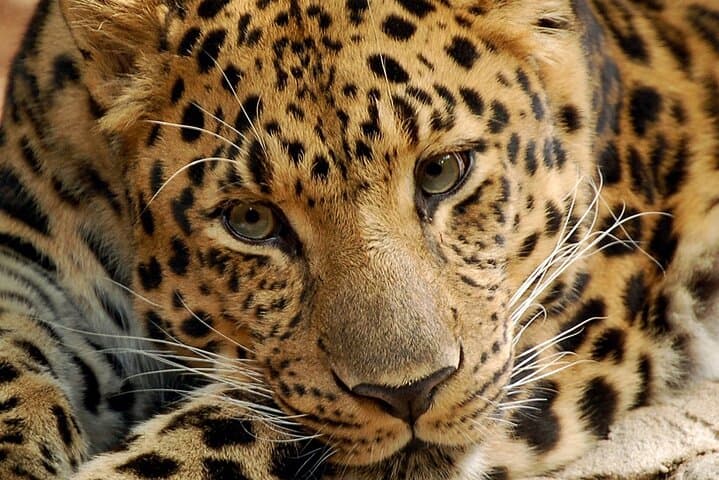
The itinerary delivers repeated opportunities to see elephants, big cats, flamingos and river crossings; plan for photography windows, be ready for variable road conditions, and carry cash for park fees or local purchases.
moderate.
6 days.
Suitable for travelers in average physical condition; requires ability to sit on game-vehicle drives and manage basic camp amenities.
Routine vaccinations are advised and malaria prophylaxis is recommended for many visitors; consult a travel clinic for personalized advice before departure.
Expect long drives: Nairobi to Amboseli ~4–5 hours, Amboseli back toward Nairobi then to Nakuru several hours, and Nakuru to Masai Mara ~4–6 hours depending on road conditions.
This itinerary’s inclusions list transportation and meals; confirm whether national park entry fees and conservation levies are included or payable locally when booking.
This is a camping safari with communal dining and basic sleeping facilities; camps provide cooked meals, bedding and sometimes basic wash facilities—expect rustic comfort rather than luxury.
Many reserves were formalized during colonial rule and later expanded to protect migratory corridors; Maasai communities remain integral stewards of several conservancies.
Tourism revenue funds anti-poaching patrols and community projects; choose operators who support local conservancies and minimize vehicle disturbance to wildlife.
Wellington Ecotours and Safaris operates guided outdoor trips and adventures with an emphasis on safety, stewardship, and memorable experiences.
The first light in Kenya spills across flat grassland and a distant silhouette of Mount Kilimanjaro, and you are already on a dusty track watching elephants pick their way through acacia. Over six days this small-group camping safari moves from the low plains of Amboseli to the alkaline shallows of Lake Nakuru and the river-lined valleys of the Masai Mara, trading landscapes as often as sightings.
The first light in Kenya spills across flat grassland and a distant silhouette of Mount Kilimanjaro, and you are already on a dusty track watching elephants pick their way through acacia. Over six days this small-group camping safari moves from the low plains of Amboseli to the alkaline shallows of Lake Nakuru and the river-lined valleys of the Masai Mara, trading landscapes as often as sightings.
Amboseli’s compact savanna sits on the floor of the East African Rift, a place where volcanic soils and seasonal floodplains feed large elephant families. Lake Nakuru occupies a Rift Valley basin famed for its flamingo flocks, razor-edged escarpments and soda-alkaline waters. The Masai Mara, part of the Serengeti-Mara ecosystem, is grassland punctuated by riverine corridors where the annual wildebeest migration twists through shallow crossings.
Cultural notes: Maasai communities have grazed these plains for centuries; their presence shapes local conservation approaches and visitor etiquette. Colonial and post-colonial land policies created many of today’s protected areas, and tourism now plays a major role in local economies.
Practical guidance: expect long drives (Nairobi–Amboseli ~4–5 hours; Nakuru–Masai Mara ~4–6 hours depending on roads), dusty tracks and early starts for game drives. Camps bring basic comforts—dinner around a fire, early-morning tea and bumpy transfers—so pack layers for cool mornings, sun protection for midday, and a good pair of binoculars.
The itinerary delivers repeated opportunities to see elephants, big cats, flamingos and river crossings; plan for photography windows, be ready for variable road conditions, and carry cash for park fees or local purchases.