THE ADVENTURE COLLECTIVE® · Independent discovery and booking for outdoor travel

A compact six-day guided circuit from Cairo to Luxor that pairs the Giza Pyramids and Egyptian Museum with Luxor’s temple complexes and the Valley of the Kings. Travel overnight by train and maximize daylight at the country’s most iconic archaeological sites.
A compact six-day guided circuit from Cairo to Luxor that pairs the Giza Pyramids and Egyptian Museum with Luxor’s temple complexes and the Valley of the Kings. Travel overnight by train and maximize daylight at the country’s most iconic archaeological sites.
You step out of the Cairo morning into a city that still wears the fossil breath of millennia—sand nudging at curbs, traffic a low, persistent drum. The Great Pyramid looms on the horizon like an ancient calculator, while the Nile, patient and wide, dares you to follow its curve south toward Luxor.
Verified experiences and guided adventures in the surrounding area.
Operated by Egypt Best Holidays · Giza, Giza Governorate
You step out of the Cairo morning into a city that still wears the fossil breath of millennia—sand nudging at curbs, traffic a low, persistent drum. The Great Pyramid looms on the horizon like an ancient calculator, while the Nile, patient and wide, dares you to follow its curve south toward Luxor.
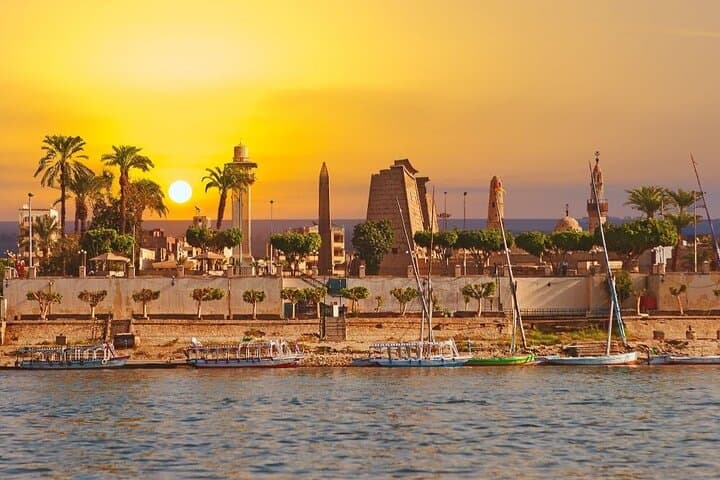
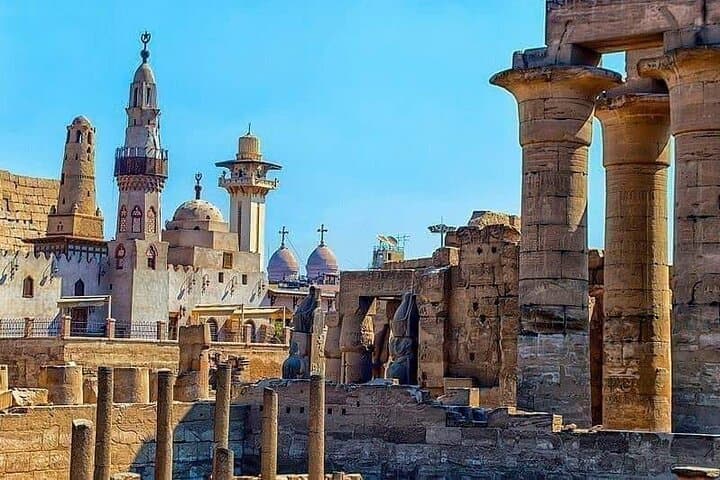
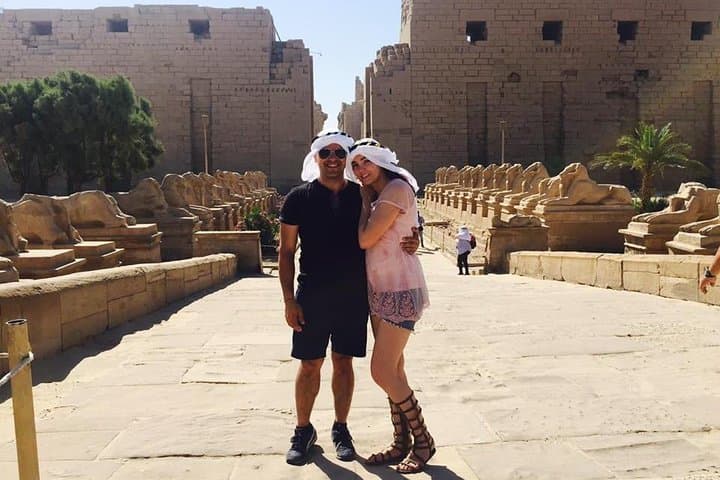
This six-day loop traces Egypt’s long urban arc: Memphis and Saqqara where stonework first learned to reach for eternity; Giza’s plateau with its trio of pyramids and the watchful Sphinx; Islamic and Coptic Cairo’s layered neighborhoods; then the river valley’s crown jewels—Karnak, Luxor Temple, the Valley of the Kings and Hatshepsut’s mortuary temple.
Geology here is simple but consequential: alluvial Nile silt and limestone bedrock made both farming and monumental masonry possible, concentrating human settlement along the river’s green spine.
Expect guided walks across exposed stone, shaded courtyards, and bustling market alleys. Nights on the overnight seated train (or optional sleeper upgrade) compress travel time and add local color—train whistles filling the dark as the Nile slides by.
Practical guidance: wear broken-in walking shoes and sun protection, carry a refillable bottle (many hotels and sites provide potable water), and budget time for entry lines and security checks. Mornings are cooler and least crowded at major sites; schedule the Giza Plateau early and Karnak in late afternoon when columns hold back heat.
Respect fragile reliefs—do not touch—and hire accredited guides to deepen the visit. With measured pacing, this itinerary balances the spectacle of monuments with enough quiet to feel them alive.
easy.
6 days.
Suitable for most travelers who can walk 2–4 miles over uneven ground and tolerate stairs and moderate heat.
Seated overnight train tickets are included; they are basic but serviceable. You can upgrade to sleeper cabins for an extra fee for more privacy and comfort.
Admission fees are not listed as included—confirm with the operator which museums or tombs require separate tickets (some tombs have additional fees).
Yes—operators typically accommodate dietary needs if notified in advance through booking questions or special requirements fields.
Visa requirements depend on nationality; many travelers can obtain a tourist e‑visa online before arrival or a visa on arrival—check current embassy guidance and allow time to process.
This route connects the heartlands of ancient Egyptian power—Memphis (near modern Giza) and Thebes (modern Luxor)—and includes the Step Pyramid of Djoser, the world’s oldest major stone structure.
Tourism puts pressure on fragile stone reliefs and local water resources; follow site rules, avoid touching carvings, and favor certified guides who support site preservation.
Egypt Best Holidays operates guided outdoor trips and adventures with an emphasis on safety, stewardship, and memorable experiences.

You step out of the Cairo morning into a city that still wears the fossil breath of millennia—sand nudging at curbs, traffic a low, persistent drum. The Great Pyramid looms on the horizon like an ancient calculator, while the Nile, patient and wide, dares you to follow its curve south toward Luxor.
You step out of the Cairo morning into a city that still wears the fossil breath of millennia—sand nudging at curbs, traffic a low, persistent drum. The Great Pyramid looms on the horizon like an ancient calculator, while the Nile, patient and wide, dares you to follow its curve south toward Luxor.
This six-day loop traces Egypt’s long urban arc: Memphis and Saqqara where stonework first learned to reach for eternity; Giza’s plateau with its trio of pyramids and the watchful Sphinx; Islamic and Coptic Cairo’s layered neighborhoods; then the river valley’s crown jewels—Karnak, Luxor Temple, the Valley of the Kings and Hatshepsut’s mortuary temple.
Geology here is simple but consequential: alluvial Nile silt and limestone bedrock made both farming and monumental masonry possible, concentrating human settlement along the river’s green spine.
Expect guided walks across exposed stone, shaded courtyards, and bustling market alleys. Nights on the overnight seated train (or optional sleeper upgrade) compress travel time and add local color—train whistles filling the dark as the Nile slides by.
Practical guidance: wear broken-in walking shoes and sun protection, carry a refillable bottle (many hotels and sites provide potable water), and budget time for entry lines and security checks. Mornings are cooler and least crowded at major sites; schedule the Giza Plateau early and Karnak in late afternoon when columns hold back heat.
Respect fragile reliefs—do not touch—and hire accredited guides to deepen the visit. With measured pacing, this itinerary balances the spectacle of monuments with enough quiet to feel them alive.