THE ADVENTURE COLLECTIVE® · Independent discovery and booking for outdoor travel

A compact six-day circuit linking Cairo’s pyramids and museums with the temple-lined Nile cities of Luxor and Aswan. Expect guided visits to major sites, short domestic transfers, and plenty of walking on uneven archaeological terrain.
A compact six-day circuit linking Cairo’s pyramids and museums with the temple-lined Nile cities of Luxor and Aswan. Expect guided visits to major sites, short domestic transfers, and plenty of walking on uneven archaeological terrain.
You step from the airport into Cairo’s humid light, the city already humming as guides weave through traffic to the Giza plateau where sun and stone meet. The Great Pyramids rise like patient machines of history, their shadow sliding across the sand while the Nile, farther south, pulls travelers toward quieter blue water and temple columns that still hold the echo of rituals.
Verified experiences and guided adventures in the surrounding area.
Operated by Ramasside Tours · Cairo, Cairo Governorate
You step from the airport into Cairo’s humid light, the city already humming as guides weave through traffic to the Giza plateau where sun and stone meet. The Great Pyramids rise like patient machines of history, their shadow sliding across the sand while the Nile, farther south, pulls travelers toward quieter blue water and temple columns that still hold the echo of rituals.
This six-day circuit moves from the classical center of Egyptian antiquity in Cairo to the river cities of Luxor and Aswan. In Cairo expect the Egyptian Museum—an encyclopedic array of pharaonic statuary—and nearby Saqqara and Memphis, early chapters in pyramid design. Luxor’s West Bank offers the Valley of the Kings and Hatshepsut’s mortuary temple, carved into limestone scarps; Karnak’s hypostyle hall looms as a deliberate test of scale. Aswan’s High Dam and Philae lay out modern engineering beside island temples that survived Nile floods and imperial ambitions.
Practical guidance: pack breathable clothing and a sun hat—the desert heat is the tour’s steady companion. Comfortable, grippy shoes matter more than fashion; many sites have uneven stone and loose sand. Expect daily transfers by AC vehicle, a short domestic flight or train between Cairo, Aswan and Luxor, and hotel breakfasts included. Carry Egyptian pounds for small purchases, and keep photocopies of your passport; many tombs control camera use and entry is timed.
Timing tips: visit Giza early morning to avoid buses and late-afternoon light for photography. Respect religious sites with modest dress; a light scarf works for both temples and sudden wind. The itinerary balances guided context with room to breathe—let the Nile steer your pace.
easy.
6 days.
Suitable for all fitness levels; expect multiple days of walking on uneven surfaces and short transfers between hotels and sites.
The tour includes specific admissions listed in the itinerary and domestic flights Cairo–Aswan and Luxor–Cairo; confirm which tombs require additional on-site fees.
Expect several hours of walking on uneven terrain at major sites like the Valley of the Kings and Karnak; pace is moderate with vehicle transfers between cities.
The operator lists wheelchair accessibility for many areas and transfers, but some archaeological sites have steps and rough ground—contact the provider to confirm accommodations on specific days.
Tipping (baksheesh) is customary for guides, drivers and service staff—carry small Egyptian pound notes and be prepared to tip at each service point.
This route traces the political and religious heart of ancient Egypt from Old Kingdom pyramid fields through New Kingdom Thebes, showing architectural evolution and river-based power structures.
High visitor numbers strain fragile painted tombs and sandstone surfaces; follow site signage, avoid flash photography in tombs, and stick to marked paths to help preserve these resources.
Ramasside Tours operates guided outdoor trips and adventures with an emphasis on safety, stewardship, and memorable experiences.
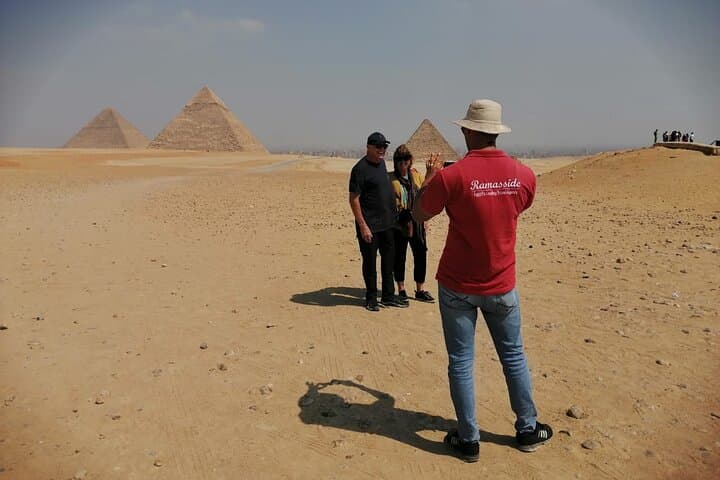
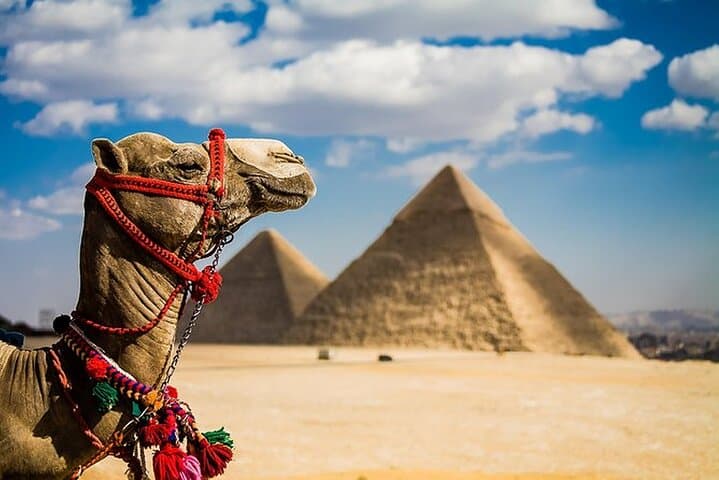
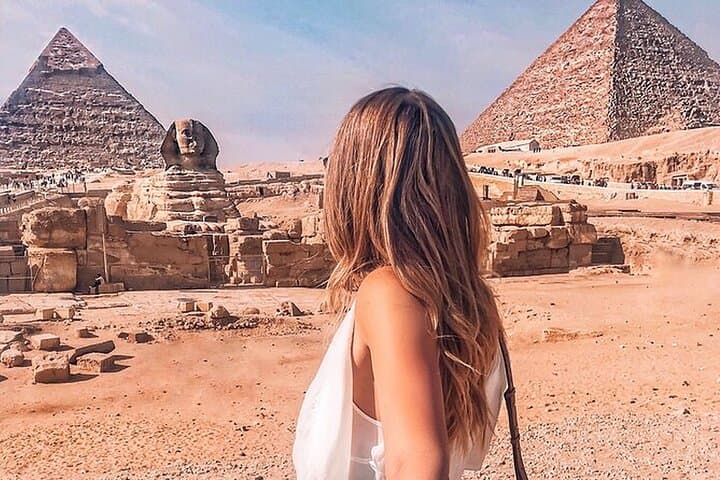
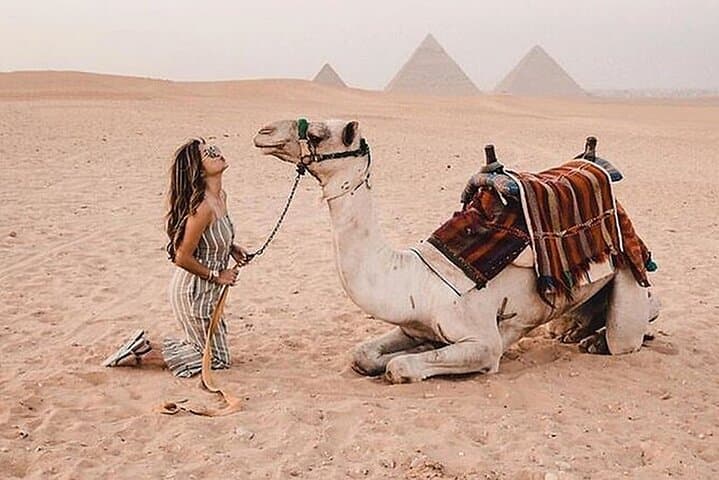
You step from the airport into Cairo’s humid light, the city already humming as guides weave through traffic to the Giza plateau where sun and stone meet. The Great Pyramids rise like patient machines of history, their shadow sliding across the sand while the Nile, farther south, pulls travelers toward quieter blue water and temple columns that still hold the echo of rituals.
You step from the airport into Cairo’s humid light, the city already humming as guides weave through traffic to the Giza plateau where sun and stone meet. The Great Pyramids rise like patient machines of history, their shadow sliding across the sand while the Nile, farther south, pulls travelers toward quieter blue water and temple columns that still hold the echo of rituals.
This six-day circuit moves from the classical center of Egyptian antiquity in Cairo to the river cities of Luxor and Aswan. In Cairo expect the Egyptian Museum—an encyclopedic array of pharaonic statuary—and nearby Saqqara and Memphis, early chapters in pyramid design. Luxor’s West Bank offers the Valley of the Kings and Hatshepsut’s mortuary temple, carved into limestone scarps; Karnak’s hypostyle hall looms as a deliberate test of scale. Aswan’s High Dam and Philae lay out modern engineering beside island temples that survived Nile floods and imperial ambitions.
Practical guidance: pack breathable clothing and a sun hat—the desert heat is the tour’s steady companion. Comfortable, grippy shoes matter more than fashion; many sites have uneven stone and loose sand. Expect daily transfers by AC vehicle, a short domestic flight or train between Cairo, Aswan and Luxor, and hotel breakfasts included. Carry Egyptian pounds for small purchases, and keep photocopies of your passport; many tombs control camera use and entry is timed.
Timing tips: visit Giza early morning to avoid buses and late-afternoon light for photography. Respect religious sites with modest dress; a light scarf works for both temples and sudden wind. The itinerary balances guided context with room to breathe—let the Nile steer your pace.