THE ADVENTURE COLLECTIVE® · Independent discovery and booking for outdoor travel

Trace the Nile through six days of temples, villages and a classic overnight sleeper train. This compact itinerary pairs iconic monuments — Giza, Karnak, Abu Simbel — with village walks and a farmer's-house overnight for an up-close view of Egyptian life.
Trace the Nile through six days of temples, villages and a classic overnight sleeper train. This compact itinerary pairs iconic monuments — Giza, Karnak, Abu Simbel — with village walks and a farmer's-house overnight for an up-close view of Egyptian life.
Morning light strips the city of Cairo down to stone and sand as travelers step from an airport greeting into a private vehicle bound for the Giza plateau. Over six days the Nile pulls the itinerary south: bustling bazaars and museum cases in Cairo, hypostyle halls and royal tombs in Luxor, river islands and Nubian color in Aswan, and the monumental façade of Abu Simbel hauled above Lake Nasser.
Verified experiences and guided adventures in the surrounding area.
Operated by Egyptethique · Cairo, Cairo Governorate
Morning light strips the city of Cairo down to stone and sand as travelers step from an airport greeting into a private vehicle bound for the Giza plateau. Over six days the Nile pulls the itinerary south: bustling bazaars and museum cases in Cairo, hypostyle halls and royal tombs in Luxor, river islands and Nubian color in Aswan, and the monumental façade of Abu Simbel hauled above Lake Nasser.
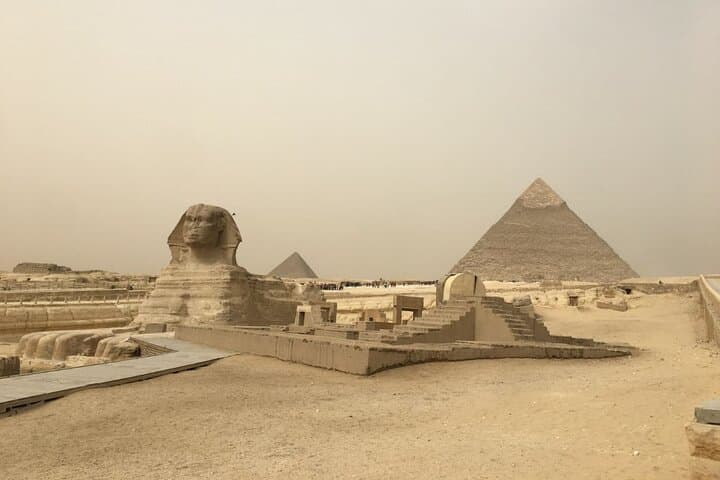
This route stitches together millennia of human history. The Giza pyramids and Sphinx speak of Old Kingdom burial rites; Karnak and Luxor record successive pharaohs carving their names into sandstone; Abu Simbel demonstrates modern engineering after its 1960s relocation to save it from rising waters. Geology is visible everywhere — wind-polished desert sandstone, alluvial Nile silt, and the broad, slow river that made Egyptian civilization possible.
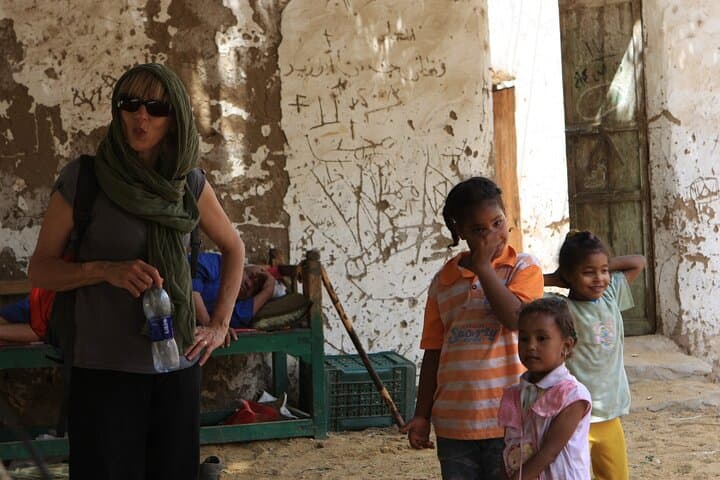
Travel moves at a practical pace: a 10-hour overnight sleeper train links Cairo and Luxor, village walks run about 1.5 hours, and Aswan to Abu Simbel is roughly a 3-hour drive each way. Expect easy to moderate activity — short hikes across village paths and long days of standing in temple complexes. Locals offer home-cooked lunches in a farmer’s house; bargaining in Khan el-Khalili and encounters in the Nubian villages provide cultural texture.
Practical edge: drink frequently in dry heat, wear sun protection and comfortable walking shoes, and carry local cash for small purchases and tips. Timing trips between October and April reduces peak heat. This itinerary is equal parts archaeology and rural life — the monuments hold the past, the river dares you to slow down and listen.
moderate.
6 days.
Suitable for travelers in average fitness: able to walk 1–3 miles per day over uneven surfaces and handle full days of standing.
Most visitors require a visa; check your nationality’s requirements before travel—many nationalities can obtain a tourist e-visa or visa on arrival.
Sleeper trains on this route are basic but functional with sleeper berths; bring a light layer as compartments can be cool at night.
Major sites have uneven ground and steps; accessibility varies — contact operators ahead for specific accommodations and alternatives.
Egyptian pounds are used; small tips are customary for guides, drivers and service staff — carry cash in small bills for convenience.
The Abu Simbel temples were dismantled and rebuilt on higher ground in the 1960s to prevent submersion by Lake Nasser during the Aswan High Dam project.
Tourism supports local economies but brings strain to fragile archaeological sites; stick to marked paths, avoid touching reliefs and use local guides who practice responsible tourism.
Egyptethique operates guided outdoor trips and adventures with an emphasis on safety, stewardship, and memorable experiences.


Morning light strips the city of Cairo down to stone and sand as travelers step from an airport greeting into a private vehicle bound for the Giza plateau. Over six days the Nile pulls the itinerary south: bustling bazaars and museum cases in Cairo, hypostyle halls and royal tombs in Luxor, river islands and Nubian color in Aswan, and the monumental façade of Abu Simbel hauled above Lake Nasser.
Morning light strips the city of Cairo down to stone and sand as travelers step from an airport greeting into a private vehicle bound for the Giza plateau. Over six days the Nile pulls the itinerary south: bustling bazaars and museum cases in Cairo, hypostyle halls and royal tombs in Luxor, river islands and Nubian color in Aswan, and the monumental façade of Abu Simbel hauled above Lake Nasser.
This route stitches together millennia of human history. The Giza pyramids and Sphinx speak of Old Kingdom burial rites; Karnak and Luxor record successive pharaohs carving their names into sandstone; Abu Simbel demonstrates modern engineering after its 1960s relocation to save it from rising waters. Geology is visible everywhere — wind-polished desert sandstone, alluvial Nile silt, and the broad, slow river that made Egyptian civilization possible.
Travel moves at a practical pace: a 10-hour overnight sleeper train links Cairo and Luxor, village walks run about 1.5 hours, and Aswan to Abu Simbel is roughly a 3-hour drive each way. Expect easy to moderate activity — short hikes across village paths and long days of standing in temple complexes. Locals offer home-cooked lunches in a farmer’s house; bargaining in Khan el-Khalili and encounters in the Nubian villages provide cultural texture.
Practical edge: drink frequently in dry heat, wear sun protection and comfortable walking shoes, and carry local cash for small purchases and tips. Timing trips between October and April reduces peak heat. This itinerary is equal parts archaeology and rural life — the monuments hold the past, the river dares you to slow down and listen.