THE ADVENTURE COLLECTIVE® · Independent discovery and booking for outdoor travel

A six-day private package that connects Cairo’s ancient monuments with Alexandria’s coastal ruins. Expect guided visits to the Pyramids, Saqqara, Egyptian Museum and Roman Alexandria with private transfers and included lunches.
A six-day private package that connects Cairo’s ancient monuments with Alexandria’s coastal ruins. Expect guided visits to the Pyramids, Saqqara, Egyptian Museum and Roman Alexandria with private transfers and included lunches.
You step from the airport into Cairo’s dry heat and the city immediately presses forward — traffic flowing like a river and the call to prayer threading through the air. Over six days this itinerary moves you between the desert silhouette of the Giza Plateau and the salt-bright breeze of Alexandria, trading sandstone monuments for seaside promenades.
Verified experiences and guided adventures in the surrounding area.
Operated by Book My Egypt Tours · Cairo, Cairo Governorate
You step from the airport into Cairo’s dry heat and the city immediately presses forward — traffic flowing like a river and the call to prayer threading through the air. Over six days this itinerary moves you between the desert silhouette of the Giza Plateau and the salt-bright breeze of Alexandria, trading sandstone monuments for seaside promenades.
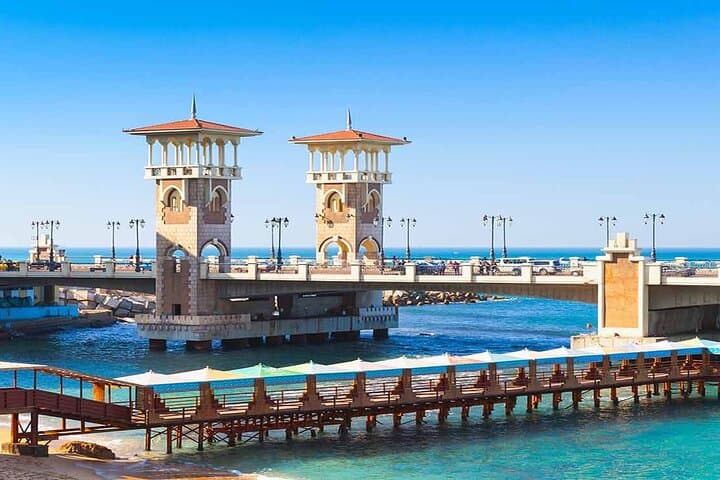
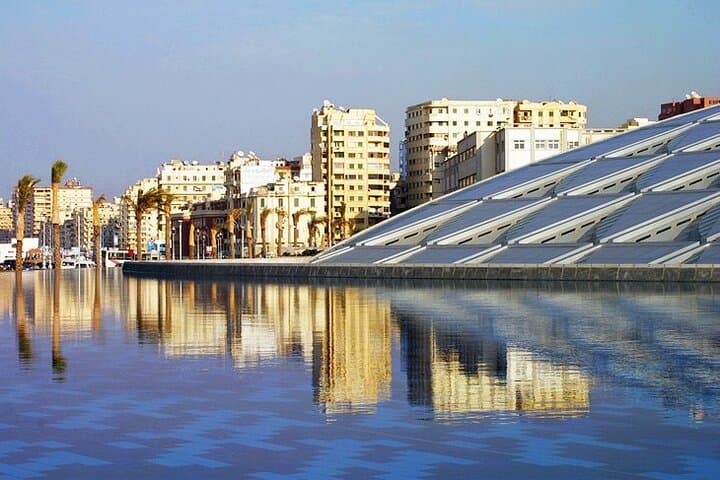
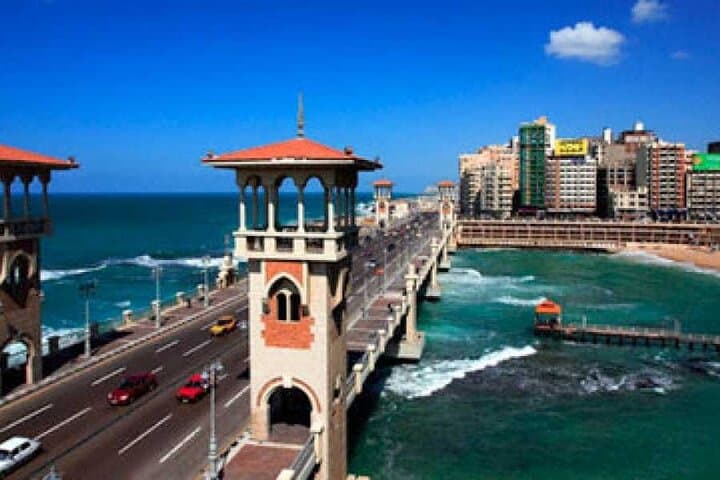
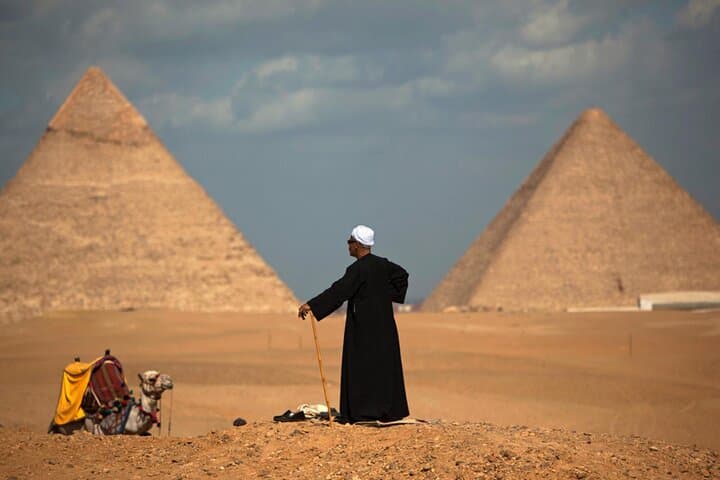
The route reads like a compact history of Egypt: the Great Pyramids and Sphinx at Giza, the Step Pyramid of Saqqara — an early experiment in stone — then Memphis with its colossal statues. Alexandria shifts the story to Hellenistic and Roman layers: Pompey’s Pillar, the Roman theater and the modern Bibliotheca Alexandrina facing the Mediterranean. Cairo’s Egyptian Museum and the Citadel reveal millennia of art, faith and urban development that shaped the Nile valley’s human geography.
Geologically, the Nile’s alluvial plain made the region fertile and enabled the pharaonic civilization; the limestone of the Giza Plateau holds the pyramids’ weight while Alexandria perches on younger coastal deposits.
Practical guidance: expect hotel pickup and private AC transfers; entrance fees vary by site and the Library can be closed on Fridays. Dress modestly for mosques and bring sun protection and water — summer heat is intense and walking surfaces at archaeological sites are uneven. Photography is generally allowed outside main exhibits; ask about flash or drone rules. Tipping is customary for guides, drivers and porters.
Pace your days: morning visits are cooler and less crowded, and save an afternoon for a slow seafood meal in Alexandria to let the history settle before departure.
easy.
6 days.
Basic walking fitness is required for uneven ground and multi-site days; not strenuous but expect several hours on foot each day.
Entrance fees are included per the package details but some sites may have optional sections or special exhibitions with extra fees.
Many nationalities require a visa on arrival or e-Visa; check current Egyptian consular requirements before travel.
The Bibliotheca Alexandrina may have differing hours and parts of the site can be closed on Fridays; photo opportunities from outside are possible when closed.
Breakfast is provided at hotels and lunches are included on most touring days; beverages are typically not included.
This itinerary links Ancient Egyptian royal sites with Hellenistic and Roman Alexandria; sites like Saqqara predate the pyramid peaks and show the evolution of funerary architecture.
Preservation is active but sites are vulnerable to erosion, pollution and visitor pressure; stick to marked paths, avoid touching fragile stonework and support locally run conservation initiatives.
Book My Egypt Tours operates guided outdoor trips and adventures with an emphasis on safety, stewardship, and memorable experiences.
You step from the airport into Cairo’s dry heat and the city immediately presses forward — traffic flowing like a river and the call to prayer threading through the air. Over six days this itinerary moves you between the desert silhouette of the Giza Plateau and the salt-bright breeze of Alexandria, trading sandstone monuments for seaside promenades.
You step from the airport into Cairo’s dry heat and the city immediately presses forward — traffic flowing like a river and the call to prayer threading through the air. Over six days this itinerary moves you between the desert silhouette of the Giza Plateau and the salt-bright breeze of Alexandria, trading sandstone monuments for seaside promenades.
The route reads like a compact history of Egypt: the Great Pyramids and Sphinx at Giza, the Step Pyramid of Saqqara — an early experiment in stone — then Memphis with its colossal statues. Alexandria shifts the story to Hellenistic and Roman layers: Pompey’s Pillar, the Roman theater and the modern Bibliotheca Alexandrina facing the Mediterranean. Cairo’s Egyptian Museum and the Citadel reveal millennia of art, faith and urban development that shaped the Nile valley’s human geography.
Geologically, the Nile’s alluvial plain made the region fertile and enabled the pharaonic civilization; the limestone of the Giza Plateau holds the pyramids’ weight while Alexandria perches on younger coastal deposits.
Practical guidance: expect hotel pickup and private AC transfers; entrance fees vary by site and the Library can be closed on Fridays. Dress modestly for mosques and bring sun protection and water — summer heat is intense and walking surfaces at archaeological sites are uneven. Photography is generally allowed outside main exhibits; ask about flash or drone rules. Tipping is customary for guides, drivers and porters.
Pace your days: morning visits are cooler and less crowded, and save an afternoon for a slow seafood meal in Alexandria to let the history settle before departure.