THE ADVENTURE COLLECTIVE® · Independent discovery and booking for outdoor travel

A six-day budget circuit across Tarangire, Lake Manyara, the Serengeti and Ngorongoro—ideal for travelers who want big-game views from simple campsites. Expect long game drives, tectonic escarpments, and reliable wildlife sightings at dawn and dusk.
A six-day budget circuit across Tarangire, Lake Manyara, the Serengeti and Ngorongoro—ideal for travelers who want big-game views from simple campsites. Expect long game drives, tectonic escarpments, and reliable wildlife sightings at dawn and dusk.
You step from the dusty track into a horizon of grass that seems to move on its own—the Serengeti breathing under a vast sky. Early light finds baobabs keeping slow watch in Tarangire; the soda flats of Lake Manyara throw back signal-bright reflections while the Ngorongoro Crater holds a stillness that swallows sound.
Verified experiences and guided adventures in the surrounding area.
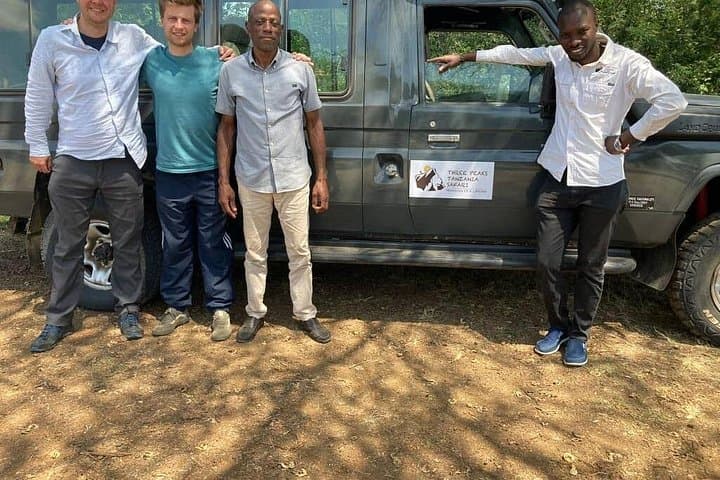
Operated by Three Peaks Tanzania Safari ltd · Arusha, Arusha Region
You step from the dusty track into a horizon of grass that seems to move on its own—the Serengeti breathing under a vast sky. Early light finds baobabs keeping slow watch in Tarangire; the soda flats of Lake Manyara throw back signal-bright reflections while the Ngorongoro Crater holds a stillness that swallows sound.
This six-day loop follows worn safari routes with deep roots in Maasai country and the Great Rift Valley’s geology: escarpments formed by tectonic pull, granite kopjes that rise like islands in a sea of grass, and a crater carved by collapsed volcanic caldera with 2000-foot walls. Cultural notes are immediate—Maasai herding near roads, local markets in Arusha, and guides who read spoor the way others read maps.
On the ground expect dirt tracks, short drives between game-viewing points (the Arusha–Tarangire run is about two hours), long game drives across plains, and budget camping facilities that prioritize proximity to wildlife over creature comforts. Wildlife moves with seasons—wildebeest and zebra dominate the migration plains; Seronera’s river cuts a dependable green ribbon that draws predators by day.
Practical guidance: travel light but layered—mornings can be chilly, mid-days hot; bring sun protection, a refillable water bottle, and reliable binoculars. Park fees and vehicle logistics are covered, but tipping, entry formalities, and modest cash for local purchases are your responsibility. Plan for early starts, dusty roads, and unmatched viewing windows—dawn and dusk are when the landscape comes alive.
moderate.
6 days.
Suitable for travelers in average fitness—long vehicle-based days with short walks; must tolerate bumpy roads and basic camping.
This package states that all park fees and taxes are included, but confirm exact fee breakdown with the operator before travel.
Accommodation is budget camping—basic tents and camp facilities close to park boundaries; upgrades may be available through the operator.
The listing notes wheelchair accessible options; contact the operator for vehicle type, campsite accessibility and any special assistance needed.
The migration moves seasonally—June–September in the western corridor/Serengeti is prime for large concentrations, while calving often peaks in December–March in southern Serengeti.
This route runs through lands long used by Maasai pastoralists and follows environments shaped by Rift Valley tectonics and ancient volcanic activity.
Ngorongoro and Serengeti are protected areas with strict vehicle and camping rules; minimize impact by staying on tracks, avoiding single-use plastics, and supporting local guides and conservation fees.
Three Peaks Tanzania Safari ltd operates guided outdoor trips and adventures with an emphasis on safety, stewardship, and memorable experiences.
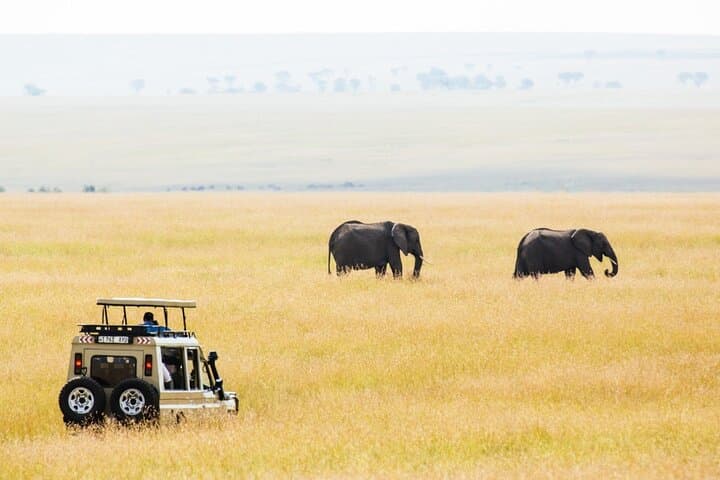
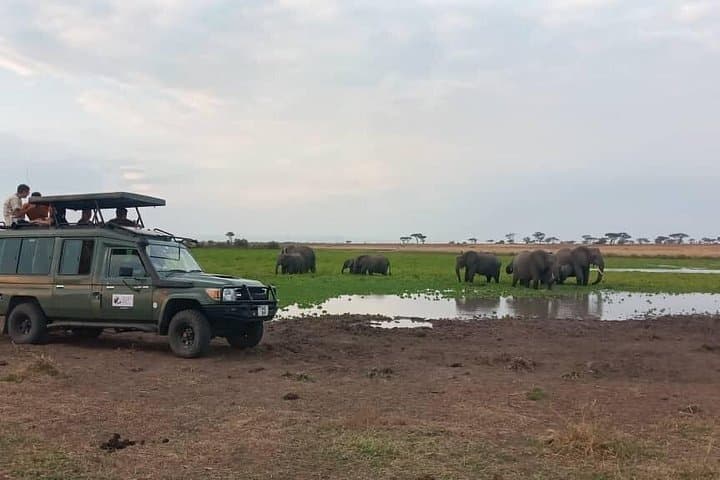
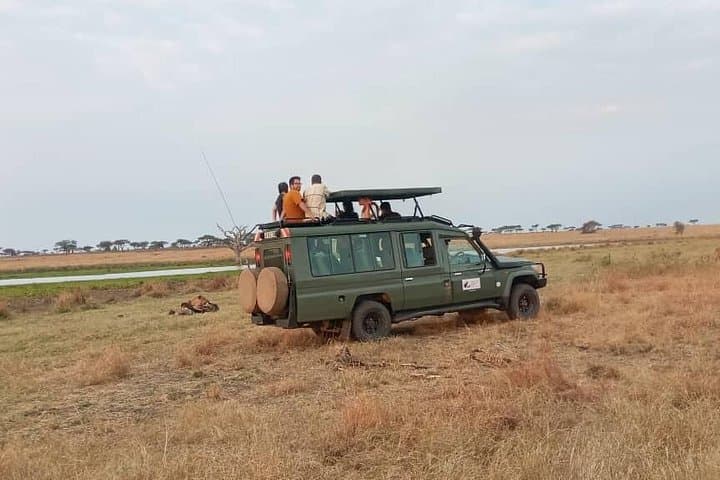
You step from the dusty track into a horizon of grass that seems to move on its own—the Serengeti breathing under a vast sky. Early light finds baobabs keeping slow watch in Tarangire; the soda flats of Lake Manyara throw back signal-bright reflections while the Ngorongoro Crater holds a stillness that swallows sound.
You step from the dusty track into a horizon of grass that seems to move on its own—the Serengeti breathing under a vast sky. Early light finds baobabs keeping slow watch in Tarangire; the soda flats of Lake Manyara throw back signal-bright reflections while the Ngorongoro Crater holds a stillness that swallows sound.
This six-day loop follows worn safari routes with deep roots in Maasai country and the Great Rift Valley’s geology: escarpments formed by tectonic pull, granite kopjes that rise like islands in a sea of grass, and a crater carved by collapsed volcanic caldera with 2000-foot walls. Cultural notes are immediate—Maasai herding near roads, local markets in Arusha, and guides who read spoor the way others read maps.
On the ground expect dirt tracks, short drives between game-viewing points (the Arusha–Tarangire run is about two hours), long game drives across plains, and budget camping facilities that prioritize proximity to wildlife over creature comforts. Wildlife moves with seasons—wildebeest and zebra dominate the migration plains; Seronera’s river cuts a dependable green ribbon that draws predators by day.
Practical guidance: travel light but layered—mornings can be chilly, mid-days hot; bring sun protection, a refillable water bottle, and reliable binoculars. Park fees and vehicle logistics are covered, but tipping, entry formalities, and modest cash for local purchases are your responsibility. Plan for early starts, dusty roads, and unmatched viewing windows—dawn and dusk are when the landscape comes alive.