THE ADVENTURE COLLECTIVE® · Independent discovery and booking for outdoor travel

A six-day budget circuit through Kenya’s most iconic parks—Amboseli, Naivasha, Nakuru and the Maasai Mara—combines dramatic landscapes, abundant birdlife, and classic big-game viewing. Expect long drives, early starts, and authentic lodges with logistical details covered.
A six-day budget circuit through Kenya’s most iconic parks—Amboseli, Naivasha, Nakuru and the Maasai Mara—combines dramatic landscapes, abundant birdlife, and classic big-game viewing. Expect long drives, early starts, and authentic lodges with logistical details covered.
You wake before dawn in a Nairobi guesthouse, the city’s heat giving way to the cool, cigar-shaped silhouette of Kilimanjaro on the horizon as the van rumbles onto the Athi plains. By afternoon the air smells of dust and dry grass; elephants stand like slow-moving sculptures in Amboseli, and later a pink fringe of flamingos shifts across Lake Nakuru like a living shoreline.
Verified experiences and guided adventures in the surrounding area.
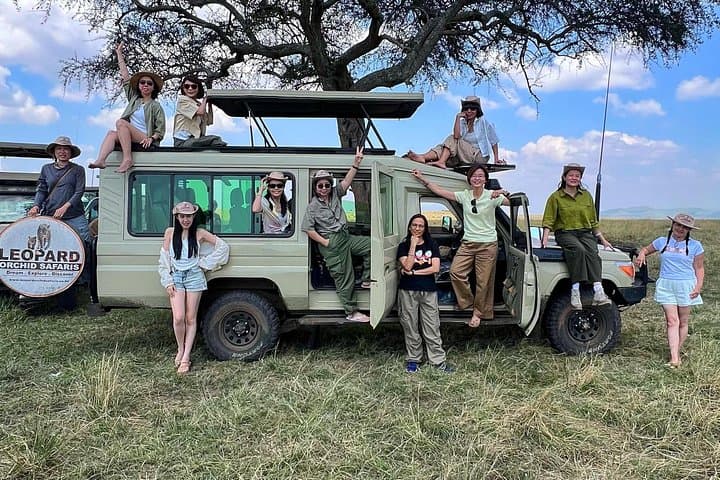
Operated by Leopard Orchid Safaris · Nairobi, Nairobi County
You wake before dawn in a Nairobi guesthouse, the city’s heat giving way to the cool, cigar-shaped silhouette of Kilimanjaro on the horizon as the van rumbles onto the Athi plains. By afternoon the air smells of dust and dry grass; elephants stand like slow-moving sculptures in Amboseli, and later a pink fringe of flamingos shifts across Lake Nakuru like a living shoreline.
This six-day loop follows the spine of the Great Rift Valley—tectonic forces that gouged escarpments and created soda lakes where millions of birds gather. Amboseli’s open floodplain offers postcard views of Kilimanjaro on clear days; Naivasha brings a freshwater contrast with hippos and waterside papyrus; Nakuru’s alkaline shallows attract flocks of flamingos and the rare black rhino; and the Maasai Mara delivers classic savannah encounters with lions, cheetahs, and migrating herds when seasons align.
Culturally, the route threads modern Nairobi with Maasai communities whose grazing rhythms still shape the Mara. Geology and human history meet on the Rift’s slopes: volcanic ridges, alkaline basins, and colonial-era routes that became today’s safari tracks.
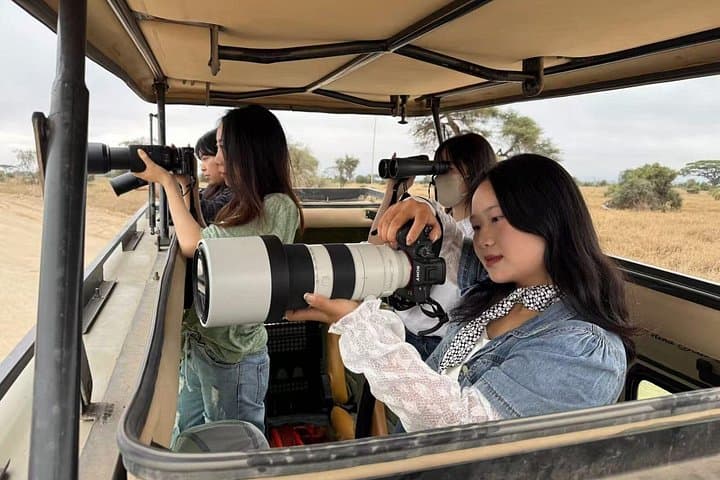
Practical notes: plan for long drives, early game drives, and variable lodgings ranging from basic budget camps to simple lodges—park fees and 4x4 transport are usually included. Bring binoculars, neutral clothing, sun protection, and layers for chilly mornings. Hydrate, carry cash for tips and village visits, and travel with flexible expectations—wildlife sightings are habitual but never guaranteed.
easy.
6 days.
Suitable for most travelers who can tolerate long vehicle days and short, easy walks; minimal hiking required.
Typical inclusions are 4x4 transport, a driver-guide, park entrance fees, most meals specified in the itinerary, and bottled water—confirm specifics with the operator.
Travelers usually need a valid visa for Kenya and routine immunizations; yellow fever may be required depending on origin—check with your health provider and embassy.
The itinerary maximizes time in prime parks with morning and afternoon drives; sightings are frequent for elephants, lions, and plains game, but specific species and encounters cannot be guaranteed.
Yes—parks are accessible year-round, but wildlife density and visibility vary with rains and migration patterns; consult operators for optimal timing.
The route follows parts of the Great Rift Valley, formed by tectonic rifting over millions of years; colonial-era roads later became the backbone of modern safari tracks.
Park management focuses on anti-poaching and community partnerships; support local guides and avoid single-use plastics to reduce impact.
Leopard Orchid Safaris operates guided outdoor trips and adventures with an emphasis on safety, stewardship, and memorable experiences.
You wake before dawn in a Nairobi guesthouse, the city’s heat giving way to the cool, cigar-shaped silhouette of Kilimanjaro on the horizon as the van rumbles onto the Athi plains. By afternoon the air smells of dust and dry grass; elephants stand like slow-moving sculptures in Amboseli, and later a pink fringe of flamingos shifts across Lake Nakuru like a living shoreline.
You wake before dawn in a Nairobi guesthouse, the city’s heat giving way to the cool, cigar-shaped silhouette of Kilimanjaro on the horizon as the van rumbles onto the Athi plains. By afternoon the air smells of dust and dry grass; elephants stand like slow-moving sculptures in Amboseli, and later a pink fringe of flamingos shifts across Lake Nakuru like a living shoreline.
This six-day loop follows the spine of the Great Rift Valley—tectonic forces that gouged escarpments and created soda lakes where millions of birds gather. Amboseli’s open floodplain offers postcard views of Kilimanjaro on clear days; Naivasha brings a freshwater contrast with hippos and waterside papyrus; Nakuru’s alkaline shallows attract flocks of flamingos and the rare black rhino; and the Maasai Mara delivers classic savannah encounters with lions, cheetahs, and migrating herds when seasons align.
Culturally, the route threads modern Nairobi with Maasai communities whose grazing rhythms still shape the Mara. Geology and human history meet on the Rift’s slopes: volcanic ridges, alkaline basins, and colonial-era routes that became today’s safari tracks.
Practical notes: plan for long drives, early game drives, and variable lodgings ranging from basic budget camps to simple lodges—park fees and 4x4 transport are usually included. Bring binoculars, neutral clothing, sun protection, and layers for chilly mornings. Hydrate, carry cash for tips and village visits, and travel with flexible expectations—wildlife sightings are habitual but never guaranteed.