THE ADVENTURE COLLECTIVE® · Independent discovery and booking for outdoor travel

Trek the Machame Route over six days to summit Mount Kilimanjaro via rainforest, alpine desert and the Kibo crater rim. This budget itinerary emphasizes acclimatization, local culture and basic camp comfort while covering the dramatic ecosystems of East Africa’s highest peak.
Trek the Machame Route over six days to summit Mount Kilimanjaro via rainforest, alpine desert and the Kibo crater rim. This budget itinerary emphasizes acclimatization, local culture and basic camp comfort while covering the dramatic ecosystems of East Africa’s highest peak.
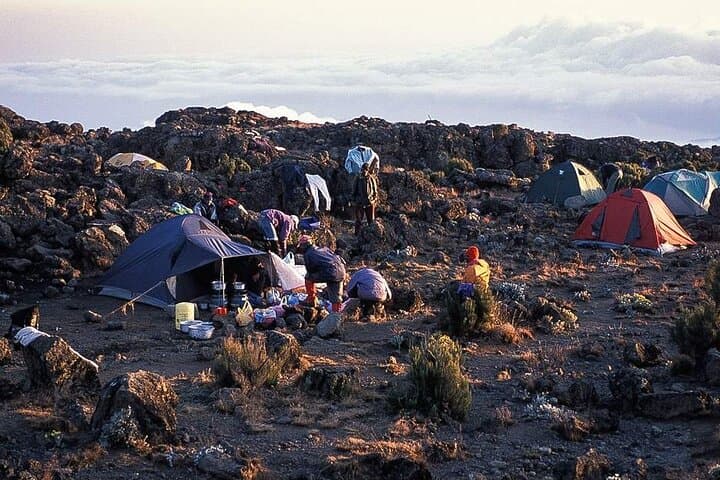
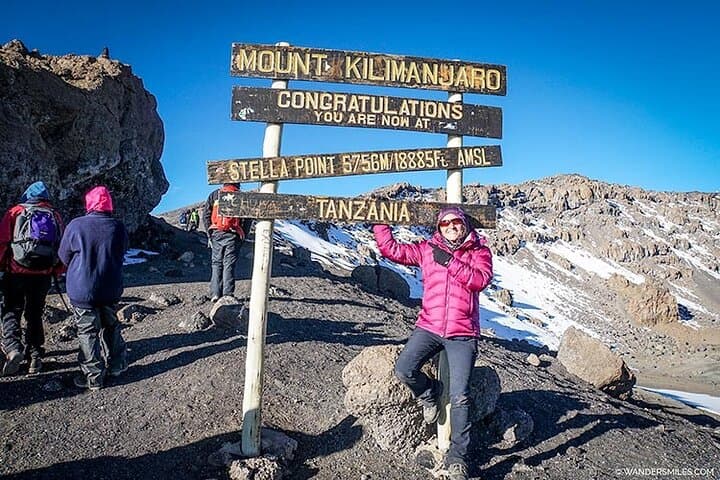
Dawn on Kilimanjaro feels immediate: low cloud lifting off a dense green band of rainforest, porters already sorting packs while guides check maps and altimeters. The Machame Route — known as the “Whiskey Route” for its scenic zig-zags — pushes hikers through rainforest, heath, alpine desert and finally the razor-edge cold of Kibo’s crater rim, a landscape that changes every few hundred meters.
Verified experiences and guided adventures in the surrounding area.
Operated by KILIMANJARO ECONOMY SAFARI · Moshi, Kilimanjaro Region
Dawn on Kilimanjaro feels immediate: low cloud lifting off a dense green band of rainforest, porters already sorting packs while guides check maps and altimeters. The Machame Route — known as the “Whiskey Route” for its scenic zig-zags — pushes hikers through rainforest, heath, alpine desert and finally the razor-edge cold of Kibo’s crater rim, a landscape that changes every few hundred meters.
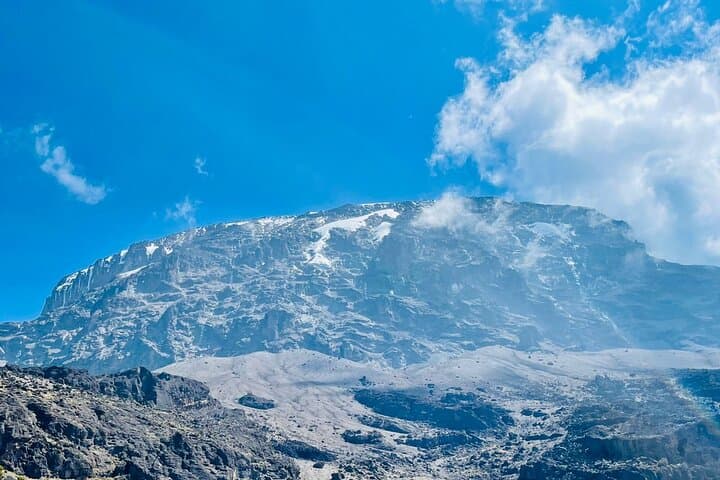
Geology here is raw: Kilimanjaro is a dormant stratovolcano with three volcanic peaks (Kibo, Mawenzi and Shira). Layers of lava and ash have built terraces and cliffs where giant lobelia and Senecio tower like botanical outposts. Culturally, the mountain sits in Chagga country; villages on the lower slopes still farm bananas and tend coffee, and climbers often pass through communities that welcome trade and conversation.
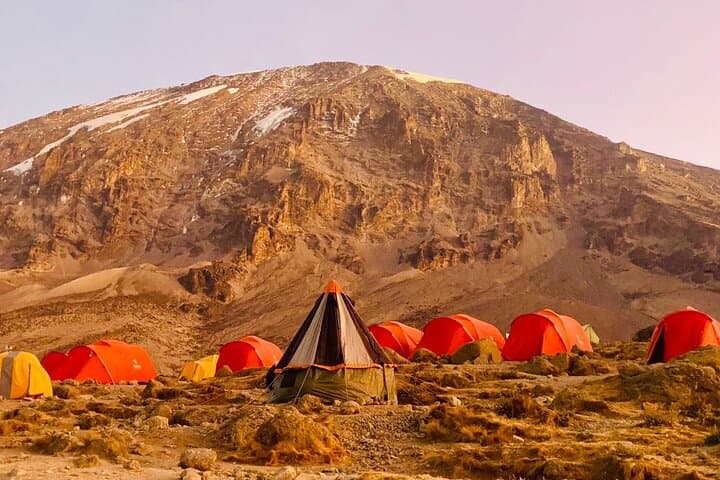
On a budget 6-day Machame itinerary expect long march days, basic camping, and a strong emphasis on acclimatization: the route gains altitude steadily, so pacing and hydration matter more than speed. The trail surface alternates between muddy rainforest trails, rocky scree and compacted volcanic sand; the final summit push is a night climb into thin air where headlamps pick out a steady rope of climbers.
Practical guidance: train with long hikes and back-to-back days, break in waterproof boots, and plan for temperature swings from warm jungle to sub-zero summit nights. Use layered clothing, carry 2–3 liters of water with a purification option, and allow time for acclimatization to reduce the risk of acute mountain sickness. Book through an operator that includes experienced guides and porter support to keep weight light and pace steady.
challenging.
6 days.
Good cardiovascular fitness with experience on multi-day hikes and back-to-back long days; prior altitude exposure is beneficial.
No technical rock- or ice-climbing skills are required; the route is a strenuous high-altitude trek rather than a technical climb.
The clearest windows are January–March and June–October when rainfall is lower; weather can still change quickly at altitude.
Altitude sickness is common; slow ascent, a 6-day itinerary, hydration, and listening to your guide are key—medication like acetazolamide can be discussed with your doctor.
Yes—trekking Kilimanjaro requires park permits and registered guides; reputable operators include these logistics, park fees and porter support in their packages.
Kilimanjaro’s three cones are the product of volcanic activity over hundreds of thousands of years; human settlement on its lower slopes by the Chagga people has long interacted with the mountain’s ecosystems.
Tanzania National Parks fees fund trail management and conservation; minimize impact by staying on trails, packing out waste and using local, registered operators.
KILIMANJARO ECONOMY SAFARI operates guided outdoor trips and adventures with an emphasis on safety, stewardship, and memorable experiences.
Dawn on Kilimanjaro feels immediate: low cloud lifting off a dense green band of rainforest, porters already sorting packs while guides check maps and altimeters. The Machame Route — known as the “Whiskey Route” for its scenic zig-zags — pushes hikers through rainforest, heath, alpine desert and finally the razor-edge cold of Kibo’s crater rim, a landscape that changes every few hundred meters.
Dawn on Kilimanjaro feels immediate: low cloud lifting off a dense green band of rainforest, porters already sorting packs while guides check maps and altimeters. The Machame Route — known as the “Whiskey Route” for its scenic zig-zags — pushes hikers through rainforest, heath, alpine desert and finally the razor-edge cold of Kibo’s crater rim, a landscape that changes every few hundred meters.
Geology here is raw: Kilimanjaro is a dormant stratovolcano with three volcanic peaks (Kibo, Mawenzi and Shira). Layers of lava and ash have built terraces and cliffs where giant lobelia and Senecio tower like botanical outposts. Culturally, the mountain sits in Chagga country; villages on the lower slopes still farm bananas and tend coffee, and climbers often pass through communities that welcome trade and conversation.
On a budget 6-day Machame itinerary expect long march days, basic camping, and a strong emphasis on acclimatization: the route gains altitude steadily, so pacing and hydration matter more than speed. The trail surface alternates between muddy rainforest trails, rocky scree and compacted volcanic sand; the final summit push is a night climb into thin air where headlamps pick out a steady rope of climbers.
Practical guidance: train with long hikes and back-to-back days, break in waterproof boots, and plan for temperature swings from warm jungle to sub-zero summit nights. Use layered clothing, carry 2–3 liters of water with a purification option, and allow time for acclimatization to reduce the risk of acute mountain sickness. Book through an operator that includes experienced guides and porter support to keep weight light and pace steady.