THE ADVENTURE COLLECTIVE® · Independent discovery and booking for outdoor travel

Pedal from Quito’s colonial streets to the windswept base of Cotopaxi on a six-day guided biking expedition. Expect high-altitude climbs, cloud-forest singletrack and a stop at Otavalo’s vibrant indigenous market.
Pedal from Quito’s colonial streets to the windswept base of Cotopaxi on a six-day guided biking expedition. Expect high-altitude climbs, cloud-forest singletrack and a stop at Otavalo’s vibrant indigenous market.
A thin, highland breeze meets the first pedal stroke in Quito as cyclists roll out from the city's leafy avenues into Andean sky. Streets give way to shoulder-high grasses, volcanic scree and singletrack that threads past farmsteads where llamas regard riders with mild curiosity. By day three the market colors of Otavalo—woven ponchos and brass jewelry—contrast with the gray, wind-raked plains beneath Cotopaxi.
Verified experiences and guided adventures in the surrounding area.
Operated by Ecuador Galapagos Travels · Quito, Pichincha
A thin, highland breeze meets the first pedal stroke in Quito as cyclists roll out from the city's leafy avenues into Andean sky. Streets give way to shoulder-high grasses, volcanic scree and singletrack that threads past farmsteads where llamas regard riders with mild curiosity. By day three the market colors of Otavalo—woven ponchos and brass jewelry—contrast with the gray, wind-raked plains beneath Cotopaxi.
Quito's historic core, a UNESCO site perched at 2,850 m, reflects Spanish colonial layers and pre-Columbian trade routes. The Andes here are young, tectonically active mountains: Cotopaxi and Pichincha are stratovolcanoes sculpting soil, roads and views. Indigenous communities around Otavalo keep textile and agricultural traditions alive; markets remain a direct link to those customs. Ecologically, the ride crosses cloud forest ecotones where Pacific air collides with cold mountain currents, creating high biodiversity pockets and hummingbird corridors.
Practicalities are straightforward: expect 3–6 hours of mixed-surface cycling on active days, with one stretch of roughly 15 miles across Cotopaxi’s high plain at ~13,000 ft. Roads vary from paved urban lanes to dirt farm tracks and rocky singletrack—basic off-road bike handling is required. Acclimatize 24–48 hours in Quito, drink more than usual, and kit for sun and sudden cold. Guides provide bicycles and support; luggage and airport transfers are typically arranged. Weather can change fast at altitude—layering, sun protection and reliable brakes are non-negotiable. For riders who relish long climbs, volcanic views and cultural exchange, this six-day route balances adrenaline and insight—each descent rewarding both lungs and camera.
challenging.
6 days.
Good aerobic fitness with experience in multi-hour rides and basic off-road handling; comfortable with sustained climbs at altitude.
Yes—participants should be comfortable with off-road descents and basic bike-handling; guides can advise but steady technical ability is expected.
Activities are scheduled with acclimatization in mind; riders should disclose medical issues and ascend gradually—guides may modify effort if symptoms appear.
Yes; the tour typically supplies bicycles suited to mixed terrain, plus support for maintenance and spares during the trip.
Breakfasts and air-conditioned transfers between main locations are included; lunches are often packed or picnic-style on riding days.
Quito grew where pre-Columbian highland trade routes met Spanish colonial planning; nearby ruins and market towns like Otavalo reflect centuries of Andean cultural continuity.
Cotopaxi National Park has strict visitor guidelines to protect fragile páramo and to limit erosion; stay on designated tracks and avoid disturbing wildlife.
Ecuador Galapagos Travels operates guided outdoor trips and adventures with an emphasis on safety, stewardship, and memorable experiences.
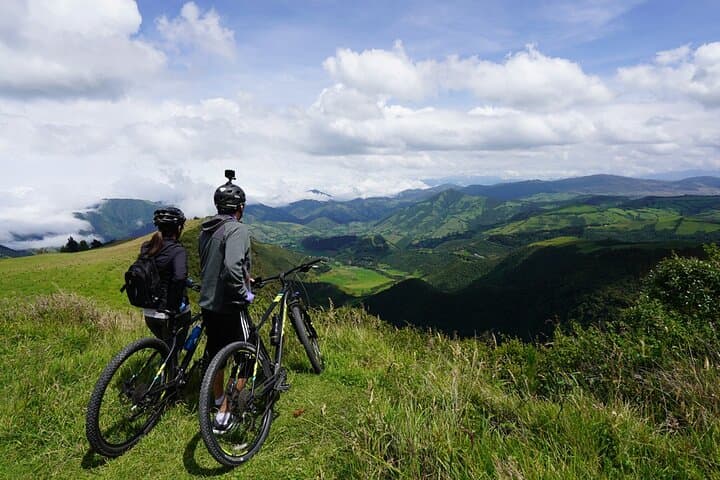
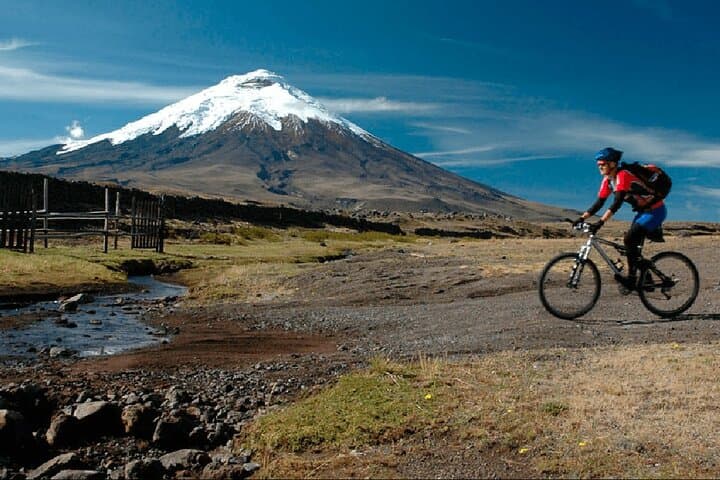
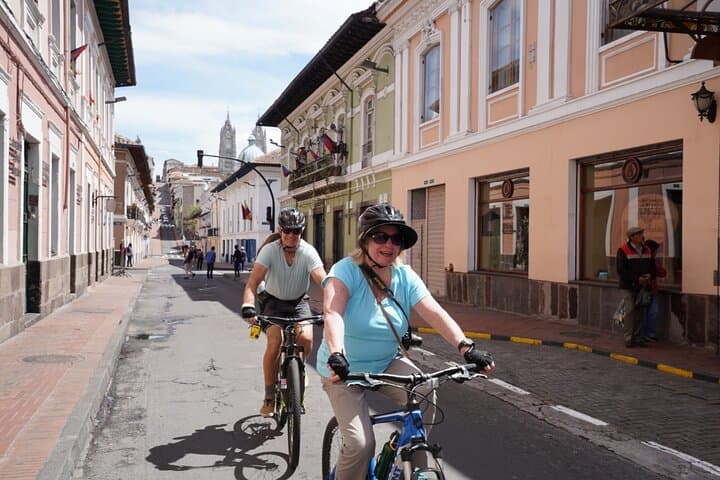
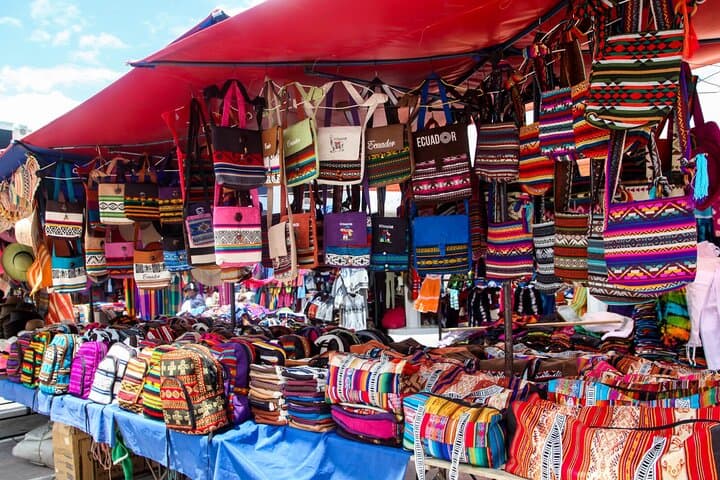
A thin, highland breeze meets the first pedal stroke in Quito as cyclists roll out from the city's leafy avenues into Andean sky. Streets give way to shoulder-high grasses, volcanic scree and singletrack that threads past farmsteads where llamas regard riders with mild curiosity. By day three the market colors of Otavalo—woven ponchos and brass jewelry—contrast with the gray, wind-raked plains beneath Cotopaxi.
A thin, highland breeze meets the first pedal stroke in Quito as cyclists roll out from the city's leafy avenues into Andean sky. Streets give way to shoulder-high grasses, volcanic scree and singletrack that threads past farmsteads where llamas regard riders with mild curiosity. By day three the market colors of Otavalo—woven ponchos and brass jewelry—contrast with the gray, wind-raked plains beneath Cotopaxi.
Quito's historic core, a UNESCO site perched at 2,850 m, reflects Spanish colonial layers and pre-Columbian trade routes. The Andes here are young, tectonically active mountains: Cotopaxi and Pichincha are stratovolcanoes sculpting soil, roads and views. Indigenous communities around Otavalo keep textile and agricultural traditions alive; markets remain a direct link to those customs. Ecologically, the ride crosses cloud forest ecotones where Pacific air collides with cold mountain currents, creating high biodiversity pockets and hummingbird corridors.
Practicalities are straightforward: expect 3–6 hours of mixed-surface cycling on active days, with one stretch of roughly 15 miles across Cotopaxi’s high plain at ~13,000 ft. Roads vary from paved urban lanes to dirt farm tracks and rocky singletrack—basic off-road bike handling is required. Acclimatize 24–48 hours in Quito, drink more than usual, and kit for sun and sudden cold. Guides provide bicycles and support; luggage and airport transfers are typically arranged. Weather can change fast at altitude—layering, sun protection and reliable brakes are non-negotiable. For riders who relish long climbs, volcanic views and cultural exchange, this six-day route balances adrenaline and insight—each descent rewarding both lungs and camera.