THE ADVENTURE COLLECTIVE® · Independent discovery and booking for outdoor travel

Traverse valleys, dzongs and a cliffside monastery on this six-day private circuit through Paro, Thimphu and Punakha. Expect cultural sites, short drives between scenic passes, and a full-day hike to the iconic Tiger’s Nest.
Traverse valleys, dzongs and a cliffside monastery on this six-day private circuit through Paro, Thimphu and Punakha. Expect cultural sites, short drives between scenic passes, and a full-day hike to the iconic Tiger’s Nest.
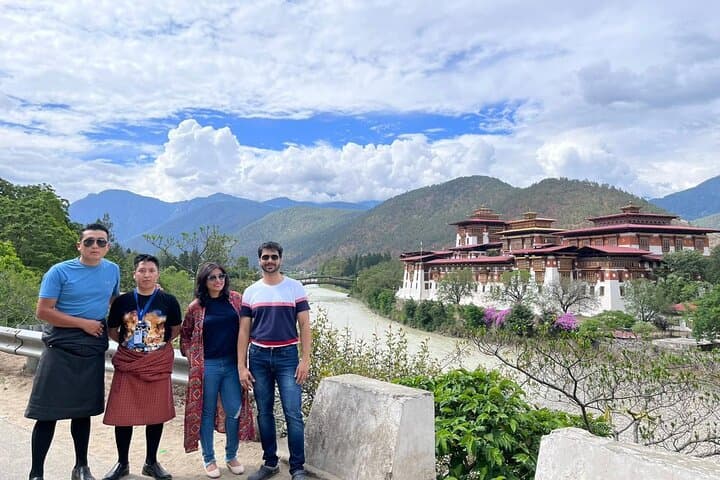
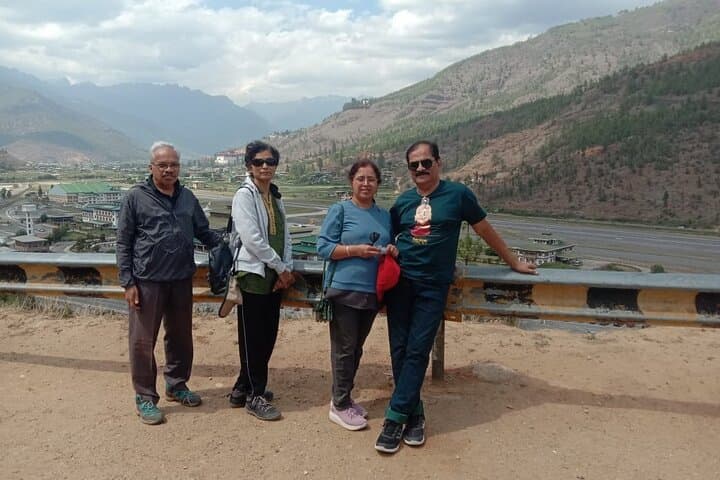
Morning light slices the valley as your plane eases into Paro—terraced rice fields give way to steep, forested ridges and the first prayer flags you’ll see flutter like punctuation marks along the road. Over six days you move from the low river valleys of Punakha up through Thimphu’s municipal calm and back to the sheer cliffs that cradle Taktsang, the Tiger’s Nest.
Verified experiences and guided adventures in the surrounding area.
Operated by Your Trip Planner · Paro, Paro District
Morning light slices the valley as your plane eases into Paro—terraced rice fields give way to steep, forested ridges and the first prayer flags you’ll see flutter like punctuation marks along the road. Over six days you move from the low river valleys of Punakha up through Thimphu’s municipal calm and back to the sheer cliffs that cradle Taktsang, the Tiger’s Nest.
This route threads Bhutan’s recent political history and older Himalayan geology into every stop: dzongs built in the 17th century dominate river junctions, while the spine of the Lesser Himalaya lifts abruptly from fertile plains into rhododendron and pine. Local culture is visible at market stalls, hand-woven textiles, and small village temples where butter lamps and incense color the air.
Expect short drives between sites, slow museum visits, and a single full-day trek to Taktsang that gains roughly 700–900m round-trip and takes 4–6 hours depending on pace. Trails are a mix of packed dirt, stone staircases, and forest paths; weather can shift fast above 2,500m. The Dochula Pass offers sweeping Himalayan views when skies clear; otherwise, mist drapes the 108 chortens and the mood turns close and sacred.
Practical notes: carry Bhutanese ngultrum or credit-card-compatible towns, bring layered clothing for altitude swings, and budget time to acclimatize on arrival day in Thimphu. Respect monastery etiquette—modest dress and quiet conduct—and schedule the Tiger’s Nest hike early to avoid afternoon cloud and ensure clearer views. A hot stone bath or local spa after the hike is a common, restorative choice.
moderate.
6 days.
Moderate fitness recommended—able to walk 4–6 hours on one full day with sustained uphill sections and handle light daytime walking on other days.
Most visitors require a Bhutanese visa and must pay the Sustainable Development Fee (SDF); your operator will guide you through the permit and visa process before travel.
The trail gains about 700–900m and takes 4–6 hours round-trip; it’s a steady climb with steps and some steep sections—good footwear and steady pacing are important.
According to the itinerary, breakfasts and monument/museum entrance fees are included; confirm specific meal arrangements and exclusions with the operator before booking.
Tipping is discretionary but customary; small cash tips to local guides and drivers are appreciated and support local livelihoods.
The region’s dzongs date largely from the 17th century, built under Zhabdrung Ngawang Namgyal to consolidate religious and administrative functions. Punakha Dzong was once the administrative capital and the site of royal ceremonies.
Bhutan manages tourism through a daily fee and regulated permits to limit impact; visitors should stick to trails, avoid single-use plastics, and respect religious sites to support local conservation.
Your Trip Planner operates guided outdoor trips and adventures with an emphasis on safety, stewardship, and memorable experiences.
Morning light slices the valley as your plane eases into Paro—terraced rice fields give way to steep, forested ridges and the first prayer flags you’ll see flutter like punctuation marks along the road. Over six days you move from the low river valleys of Punakha up through Thimphu’s municipal calm and back to the sheer cliffs that cradle Taktsang, the Tiger’s Nest.
Morning light slices the valley as your plane eases into Paro—terraced rice fields give way to steep, forested ridges and the first prayer flags you’ll see flutter like punctuation marks along the road. Over six days you move from the low river valleys of Punakha up through Thimphu’s municipal calm and back to the sheer cliffs that cradle Taktsang, the Tiger’s Nest.
This route threads Bhutan’s recent political history and older Himalayan geology into every stop: dzongs built in the 17th century dominate river junctions, while the spine of the Lesser Himalaya lifts abruptly from fertile plains into rhododendron and pine. Local culture is visible at market stalls, hand-woven textiles, and small village temples where butter lamps and incense color the air.
Expect short drives between sites, slow museum visits, and a single full-day trek to Taktsang that gains roughly 700–900m round-trip and takes 4–6 hours depending on pace. Trails are a mix of packed dirt, stone staircases, and forest paths; weather can shift fast above 2,500m. The Dochula Pass offers sweeping Himalayan views when skies clear; otherwise, mist drapes the 108 chortens and the mood turns close and sacred.
Practical notes: carry Bhutanese ngultrum or credit-card-compatible towns, bring layered clothing for altitude swings, and budget time to acclimatize on arrival day in Thimphu. Respect monastery etiquette—modest dress and quiet conduct—and schedule the Tiger’s Nest hike early to avoid afternoon cloud and ensure clearer views. A hot stone bath or local spa after the hike is a common, restorative choice.