THE ADVENTURE COLLECTIVE® · Independent discovery and booking for outdoor travel

Experience Bhutan’s valley temples, festival rituals and cliffside monasteries on a private six-day circuit through Paro, Thimphu and Punakha. This tour blends cultural immersion with accessible high‑valley hiking and guided sightseeing.
Experience Bhutan’s valley temples, festival rituals and cliffside monasteries on a private six-day circuit through Paro, Thimphu and Punakha. This tour blends cultural immersion with accessible high‑valley hiking and guided sightseeing.
A cloud-scrubbed valley yawns open as the plane drops toward Paro; prayer flags snap like small sails as the driver threads a narrow Himalayan road toward Thimphu. Over six days this private tour moves from valley markets and monastic courtyards to the cliff-clinging Paro Taktsang, sketching a living map of Bhutan’s spiritual geography.
Verified experiences and guided adventures in the surrounding area.
Operated by Bhutan Maitreya Tusita Travel · Paro, Paro District
A cloud-scrubbed valley yawns open as the plane drops toward Paro; prayer flags snap like small sails as the driver threads a narrow Himalayan road toward Thimphu. Over six days this private tour moves from valley markets and monastic courtyards to the cliff-clinging Paro Taktsang, sketching a living map of Bhutan’s spiritual geography.
The itinerary traces centuries of history: dzongs (fortress-monasteries) built by 17th‑century unifiers, 108 chortens at Dochu La marking modern memory, and temples whose timberwork preserves traditional carpentry and decorative painting. Geology is plain in the road—steep fold-and-thrust valleys carved by glacial rivers and punctuated by terraces that hold rice and potatoes. Culture threads every stop: red-robed monks, woven kira and gho, and the slow cadence of ritual bells.
Expect a mix of short hikes (most notably the steep trail to Tiger’s Nest), village walks, and easy drives between towns. Accommodations in Thimphu, Punakha and Paro are comfortable lodges with regional cuisine served buffet-style; guides handle permits and the mandatory sustainable development fee. Weather shifts fast—sun one hour, mist the next—so layers are essential.
Practical notes: allow time for high-elevation exertion on forested trails, keep water and sun protection, and carry small local currency for temple donations and handicrafts. Visitors should respect monastery etiquette (quiet, covered shoulders and knees) and book flights early—Paro’s single-runway approach can be affected by weather.
This tour pairs cultural immersion with accessible mountain travel, ideal for travelers who want temple rituals, scenic passes and a concentrated introduction to Bhutan’s living traditions.
moderate.
6 days.
Suitable for travelers in fair fitness; must be able to handle steep 2–4 hour hikes with 400–900 m (1,300–3,000 ft) elevation gain on some days.
Yes; most visitors require a visa processed through a licensed tour operator and paid before arrival—expect a visa fee and the national sustainable development fee.
The round-trip hike typically takes 3–5 hours with steep sections and ~600–900 m elevation gain; moderate fitness and good footwear are recommended.
Meals listed in the itinerary include breakfasts, lunches and dinners at hotels or local restaurants—special dietary needs should be noted at booking.
Yes; private tours are commonly adjusted for pace, accommodation standard or extra cultural visits—confirm changes with the operator before booking.
Dzongs and monasteries date to the 17th century when regional leaders consolidated power; Punakha Dzong served as the historical seat of government and royal coronation site.
Bhutan regulates tourism through minimum daily fees and permits to protect cultural sites and fragile mountain ecosystems; visitors are encouraged to minimize waste and stick to marked paths.
Bhutan Maitreya Tusita Travel operates guided outdoor trips and adventures with an emphasis on safety, stewardship, and memorable experiences.
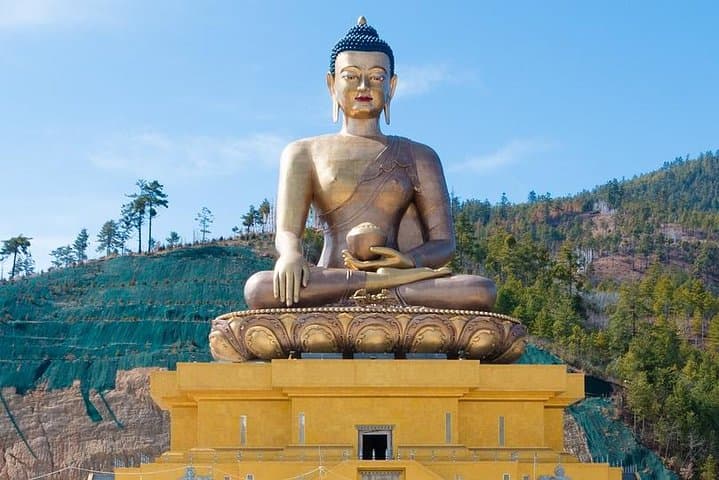
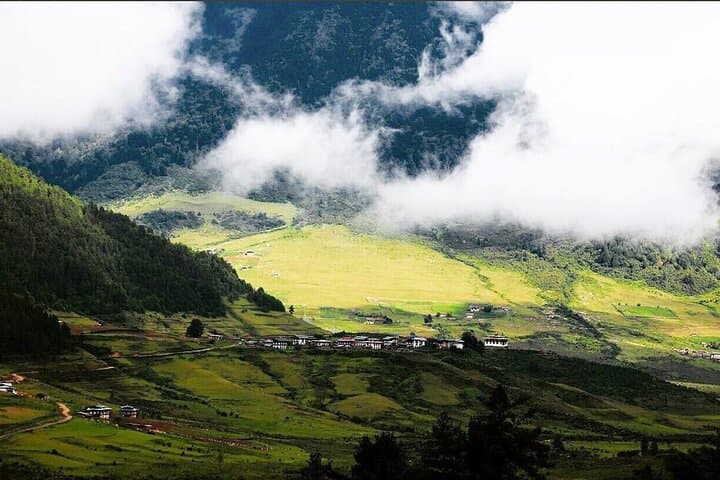
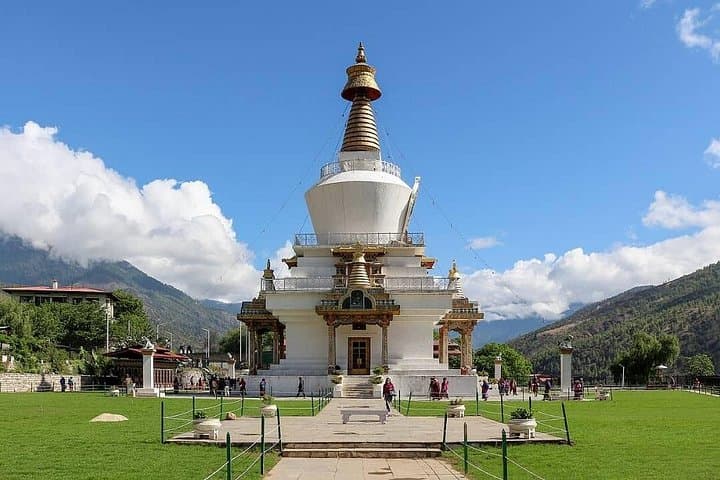
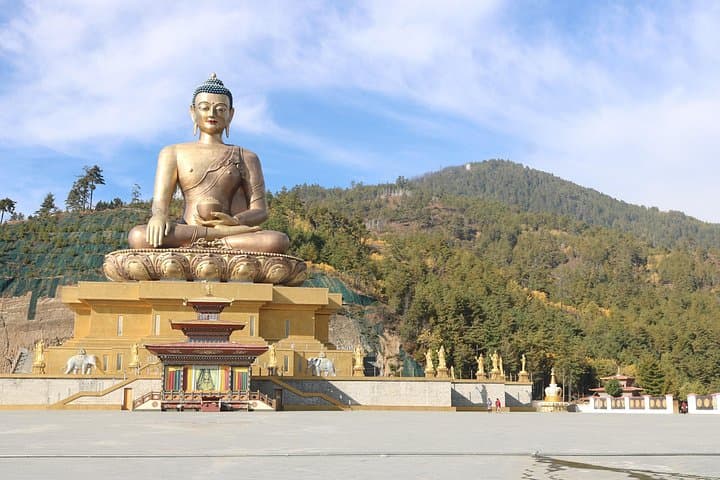
A cloud-scrubbed valley yawns open as the plane drops toward Paro; prayer flags snap like small sails as the driver threads a narrow Himalayan road toward Thimphu. Over six days this private tour moves from valley markets and monastic courtyards to the cliff-clinging Paro Taktsang, sketching a living map of Bhutan’s spiritual geography.
A cloud-scrubbed valley yawns open as the plane drops toward Paro; prayer flags snap like small sails as the driver threads a narrow Himalayan road toward Thimphu. Over six days this private tour moves from valley markets and monastic courtyards to the cliff-clinging Paro Taktsang, sketching a living map of Bhutan’s spiritual geography.
The itinerary traces centuries of history: dzongs (fortress-monasteries) built by 17th‑century unifiers, 108 chortens at Dochu La marking modern memory, and temples whose timberwork preserves traditional carpentry and decorative painting. Geology is plain in the road—steep fold-and-thrust valleys carved by glacial rivers and punctuated by terraces that hold rice and potatoes. Culture threads every stop: red-robed monks, woven kira and gho, and the slow cadence of ritual bells.
Expect a mix of short hikes (most notably the steep trail to Tiger’s Nest), village walks, and easy drives between towns. Accommodations in Thimphu, Punakha and Paro are comfortable lodges with regional cuisine served buffet-style; guides handle permits and the mandatory sustainable development fee. Weather shifts fast—sun one hour, mist the next—so layers are essential.
Practical notes: allow time for high-elevation exertion on forested trails, keep water and sun protection, and carry small local currency for temple donations and handicrafts. Visitors should respect monastery etiquette (quiet, covered shoulders and knees) and book flights early—Paro’s single-runway approach can be affected by weather.
This tour pairs cultural immersion with accessible mountain travel, ideal for travelers who want temple rituals, scenic passes and a concentrated introduction to Bhutan’s living traditions.