THE ADVENTURE COLLECTIVE® · Independent discovery and booking for outdoor travel

Cross Morocco in six days from Marrakech to Chefchaouen, taking in Aït Ben Haddou, Dades and Todra gorges, the Erg Chebbi dunes, Fez’s medina and blue-painted Chefchaouen. Expect long drives, a desert camp night, camel treks at dawn and dusk, and compact cultural stops.
Cross Morocco in six days from Marrakech to Chefchaouen, taking in Aït Ben Haddou, Dades and Todra gorges, the Erg Chebbi dunes, Fez’s medina and blue-painted Chefchaouen. Expect long drives, a desert camp night, camel treks at dawn and dusk, and compact cultural stops.
You step out of Marrakech into a ribbon of highway that unspools toward ochre kasbahs and then into dunes that rise like living walls. The wind in Erg Chebbi pushes the sand into ridges at sunrise and sunset; in the gorges, river voices cut through sheer red cliffs that seem to test your pace.
Verified experiences and guided adventures in the surrounding area.
Operated by Our real morocco · Marrakech, Marrakech-Safi
You step out of Marrakech into a ribbon of highway that unspools toward ochre kasbahs and then into dunes that rise like living walls. The wind in Erg Chebbi pushes the sand into ridges at sunrise and sunset; in the gorges, river voices cut through sheer red cliffs that seem to test your pace.
This six-day loop traces Morocco’s geological and cultural layers: the earthen ksar of Aït Ben Haddou (a living UNESCO site), the sculpted Dades and Todra gorges carved from limestone and red sandstone, and the dunes of Merzouga where Erg Chebbi peaks at roughly 100–150 meters. Fez’s medina preserves medieval crafts and urban patterns used by caravan traders for centuries, while Chefchaouen perches in the Rif’s folded hills with terraced fields below.
Expect long days on the road—regular transfers of three to six hours between stops—with brief walks, a camel trek at golden hour, and one night under canvas in a desert camp. Terrain varies from paved highways to gravel tracks, dune sand, and uneven medina alleys: footwear should be sturdy and adaptable.
Practical edge: time your desert visit for sunrise or sunset to avoid midday heat; carry at least 2–3 liters of water during excursions, and bring cash for small markets and tipping. Dress respectfully in layered clothing to handle hot days, cool nights in the desert, and breezy mountain passes. Guides handle logistics and most meals; your role is to listen, conserve water, and move deliberately across the landscape—leave no trace and let the desert keep its quiet.
easy.
6 days.
Suitable for travelers in general good health; mostly seated transfers with short walks and camel treks—basic mobility required
The tour is rated easy physically—most time is spent on scenic drives with short walks and camel treks; good mobility for uneven ground is helpful.
Pack warm layers for nighttime, a headlamp, toiletries, and any personal meds; the camp provides basic bedding but nights can be cold.
Most breakfasts and several dinners are included along with one night in a desert tent; specifics are listed by day and local riads accommodate city nights.
Yes—small-group format accommodates solo travelers and families, but it’s not recommended for those with serious back, heart, or pregnancy-related restrictions.
The route follows centuries-old caravan corridors between Morocco’s interior and Atlantic cities; Aït Ben Haddou served as a fortified stop on the trans-Saharan trade routes.
Water is scarce—pack reusable bottles and minimize usage; stick to established paths in dunes and support local guides and riads to keep economic benefits in communities.
Our real morocco operates guided outdoor trips and adventures with an emphasis on safety, stewardship, and memorable experiences.


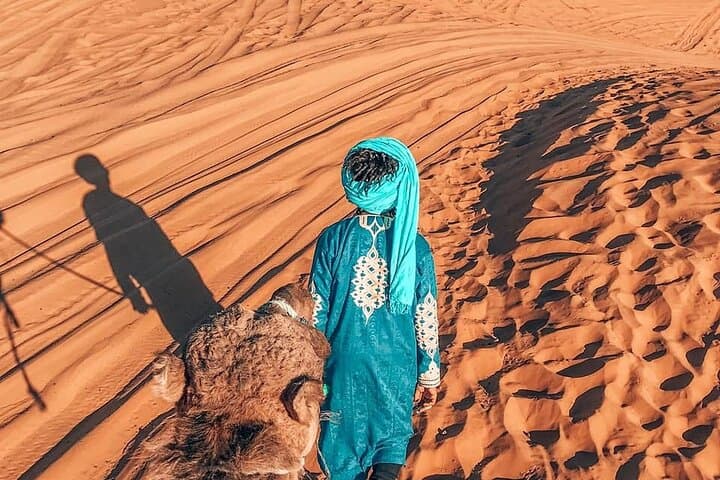
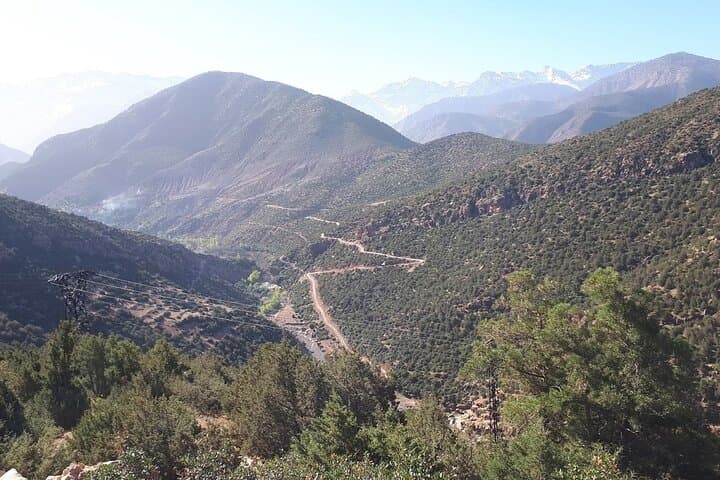
You step out of Marrakech into a ribbon of highway that unspools toward ochre kasbahs and then into dunes that rise like living walls. The wind in Erg Chebbi pushes the sand into ridges at sunrise and sunset; in the gorges, river voices cut through sheer red cliffs that seem to test your pace.
You step out of Marrakech into a ribbon of highway that unspools toward ochre kasbahs and then into dunes that rise like living walls. The wind in Erg Chebbi pushes the sand into ridges at sunrise and sunset; in the gorges, river voices cut through sheer red cliffs that seem to test your pace.
This six-day loop traces Morocco’s geological and cultural layers: the earthen ksar of Aït Ben Haddou (a living UNESCO site), the sculpted Dades and Todra gorges carved from limestone and red sandstone, and the dunes of Merzouga where Erg Chebbi peaks at roughly 100–150 meters. Fez’s medina preserves medieval crafts and urban patterns used by caravan traders for centuries, while Chefchaouen perches in the Rif’s folded hills with terraced fields below.
Expect long days on the road—regular transfers of three to six hours between stops—with brief walks, a camel trek at golden hour, and one night under canvas in a desert camp. Terrain varies from paved highways to gravel tracks, dune sand, and uneven medina alleys: footwear should be sturdy and adaptable.
Practical edge: time your desert visit for sunrise or sunset to avoid midday heat; carry at least 2–3 liters of water during excursions, and bring cash for small markets and tipping. Dress respectfully in layered clothing to handle hot days, cool nights in the desert, and breezy mountain passes. Guides handle logistics and most meals; your role is to listen, conserve water, and move deliberately across the landscape—leave no trace and let the desert keep its quiet.