THE ADVENTURE COLLECTIVE® · Independent discovery and booking for outdoor travel

A compressed, 6-day ride from Kathmandu to Annapurna Base Camp via Pokhara and Machhapuchchhre Base Camp. Fast-paced but manageable with guided acclimatization and teahouse support.
A compressed, 6-day ride from Kathmandu to Annapurna Base Camp via Pokhara and Machhapuchchhre Base Camp. Fast-paced but manageable with guided acclimatization and teahouse support.
You step off a twenty-minute scenic flight into Pokhara and the valley exhales—rice terraces and the serrated face of Machapuchare filling the window. A dusty 4WD ride and a short climb through rhododendron and oak takes you up to Chhomrong; the trail narrows, prayer flags snap at saddle points, and the massif pulls you forward.
Verified experiences and guided adventures in the surrounding area.
Operated by Nepal Mountain Club Pvt Ltd · Pokhara, Gandaki Province
You step off a twenty-minute scenic flight into Pokhara and the valley exhales—rice terraces and the serrated face of Machapuchare filling the window. A dusty 4WD ride and a short climb through rhododendron and oak takes you up to Chhomrong; the trail narrows, prayer flags snap at saddle points, and the massif pulls you forward.
The Annapurna massif is part of the young Himalayan uplift where glaciation carved steep amphitheaters and narrow cirques. The route threads Sherpa and Gurung villages whose stone houses and teahouses have hosted trekkers for decades; local livelihoods now balance tourism with terraced agriculture. Machhapuchchhre (Fishtail) is sacred locally and off-limits to climbers, while the Annapurna Conservation Area (ACAP) administers permits and conservation fees.
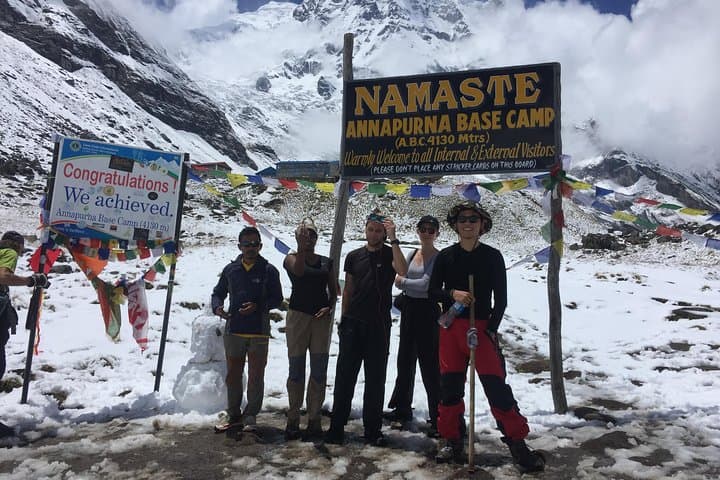
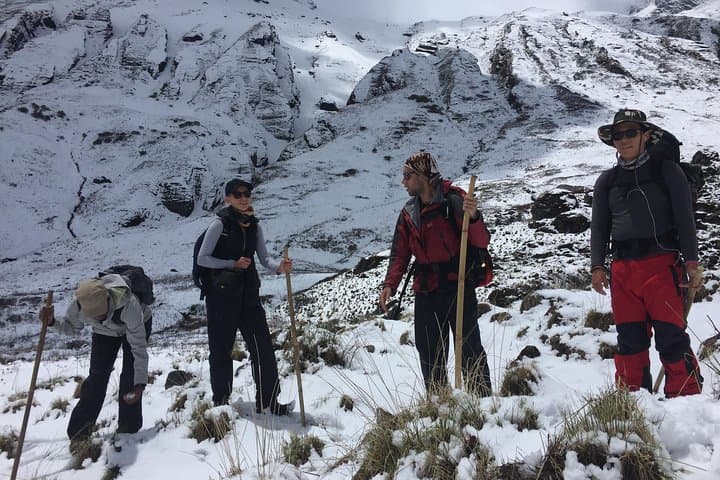
Over six days you move from ~1,500–2,100 m up to Machhapuchchhre Base Camp (~3,700 m) and Annapurna Base Camp (4,130 m), then descend through Sinuwa and Matku. Terrain is mostly well-worn stone steps, muddy switchbacks after rain, and occasional scree near high camps; nights are in basic teahouses. Expect sunrise light that hardens the glaciers into high-contrast relief and wind that scours ridgelines.
Practical edge: permits (ACAP and TIMS) are required and typically arranged by operators; pace conservatively to reduce altitude risk. Pack layers for temperature swings, a warm sleeping liner, and carry cash for remote villages. Plan for unpredictable weather—spring and fall offer the most stable windows—and allow rest, hydration, and simple acclimatization to make the fast ascent safe and rewarding.
challenging.
6 days.
Moderate to strong aerobic fitness with experience on sustained uphill and downhill hiking; able to carry a daypack for 5–7 hours.
Yes—ACAP (Annapurna Conservation Area Project) permit and TIMS (Trekkers’ Information Management System) are required; reputable operators usually arrange them.
This fast itinerary suits trekkers with prior multi-day hiking experience and good fitness; brief acclimatization windows increase altitude risk for novices.
Basic teahouses and guesthouses serve simple Nepali and Western-style meals; hot showers may cost extra and electricity can be intermittent.
Ascend conservatively, hydrate, avoid alcohol, eat well, and recognize symptoms early—descend immediately if severe signs appear and seek medical help.
The Annapurna region was designated as a conservation area in 1986; local Gurung and Magar communities have long histories of hill farming and trade along these routes.
ACAP fees contribute to protected-area management—practice Leave No Trace, minimize single-use plastics, and stick to established trails to reduce erosion.
Nepal Mountain Club Pvt Ltd operates guided outdoor trips and adventures with an emphasis on safety, stewardship, and memorable experiences.
You step off a twenty-minute scenic flight into Pokhara and the valley exhales—rice terraces and the serrated face of Machapuchare filling the window. A dusty 4WD ride and a short climb through rhododendron and oak takes you up to Chhomrong; the trail narrows, prayer flags snap at saddle points, and the massif pulls you forward.
You step off a twenty-minute scenic flight into Pokhara and the valley exhales—rice terraces and the serrated face of Machapuchare filling the window. A dusty 4WD ride and a short climb through rhododendron and oak takes you up to Chhomrong; the trail narrows, prayer flags snap at saddle points, and the massif pulls you forward.
The Annapurna massif is part of the young Himalayan uplift where glaciation carved steep amphitheaters and narrow cirques. The route threads Sherpa and Gurung villages whose stone houses and teahouses have hosted trekkers for decades; local livelihoods now balance tourism with terraced agriculture. Machhapuchchhre (Fishtail) is sacred locally and off-limits to climbers, while the Annapurna Conservation Area (ACAP) administers permits and conservation fees.
Over six days you move from ~1,500–2,100 m up to Machhapuchchhre Base Camp (~3,700 m) and Annapurna Base Camp (4,130 m), then descend through Sinuwa and Matku. Terrain is mostly well-worn stone steps, muddy switchbacks after rain, and occasional scree near high camps; nights are in basic teahouses. Expect sunrise light that hardens the glaciers into high-contrast relief and wind that scours ridgelines.
Practical edge: permits (ACAP and TIMS) are required and typically arranged by operators; pace conservatively to reduce altitude risk. Pack layers for temperature swings, a warm sleeping liner, and carry cash for remote villages. Plan for unpredictable weather—spring and fall offer the most stable windows—and allow rest, hydration, and simple acclimatization to make the fast ascent safe and rewarding.