THE ADVENTURE COLLECTIVE® · Independent discovery and booking for outdoor travel

A compact, athletic route to Annapurna Base Camp that packs the region's forests, Gurung villages and panoramic high-alpine views into six days. Ideal for travelers who can move quickly and manage altitude.
A compact, athletic route to Annapurna Base Camp that packs the region's forests, Gurung villages and panoramic high-alpine views into six days. Ideal for travelers who can move quickly and manage altitude.
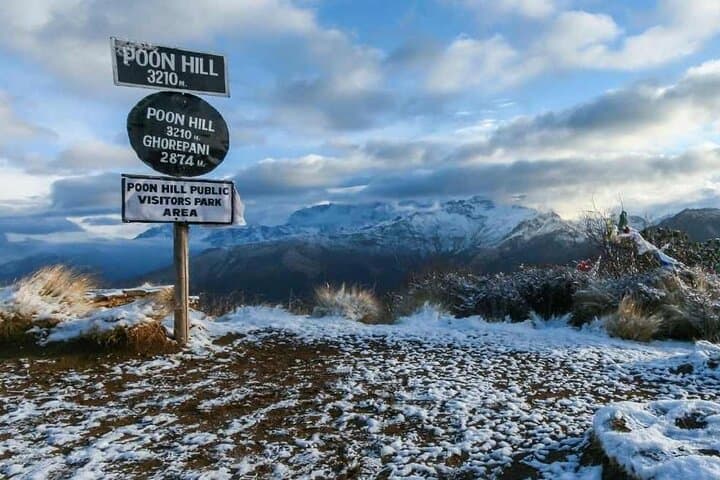
Fog lifts off a bowl of rhododendron and bamboo as you leave Pokhara before dawn, the valley shrinking behind the minibus. The trail pushes quickly through Ghandruk and Jhinu Danda, switching between stepped stone paths and narrow forest tracks, until the high moraine and glacial cirque of Annapurna Base Camp opens with raw, wind-swept views of Annapurna I and Machhapuchhre.
Verified experiences and guided adventures in the surrounding area.
Operated by Mountain Hike Nepal · Pokhara, Gandaki Province
Fog lifts off a bowl of rhododendron and bamboo as you leave Pokhara before dawn, the valley shrinking behind the minibus. The trail pushes quickly through Ghandruk and Jhinu Danda, switching between stepped stone paths and narrow forest tracks, until the high moraine and glacial cirque of Annapurna Base Camp opens with raw, wind-swept views of Annapurna I and Machhapuchhre.
The Annapurna massif is geologically young—uplifted, carved by glaciers and rain—so the route moves from subtropical forests into alpine scree in a matter of days. Culturally, the trek threads through Gurung villages where terraced fields, stone houses and local teahouses reveal a mountain farming life shaped by seasonal migration and pilgrimage. The route is inside the Annapurna Conservation Area Project (ACAP), which channels trekking revenue into local development and trail maintenance.
Practically, this is a condensed, athletic itinerary: expect roughly 50–60 km round-trip with about 3,000 m of net elevation gain to ABC (~4,130 m). Daily hiking ranges from 4–8 hours on mixed terrain—steep stone staircases, muddy trails after rain, and loose scree near high camps. Acclimatize aggressively, drink frequently, and budget for a porter if you want faster days. Teahouses provide meals and simple beds but carry cash: ATM access is limited to Pokhara.
A fast ABC trek rewards with rare alpine panoramas and lively village encounters, but it asks you to move deliberately—pace, hydration, and respect for altitude make the difference between a summit sunrise and an early descent.
challenging.
6 days.
Good cardiovascular fitness and experience with sustained uphill hiking; ability to carry a daypack for 5–8 hour walking days.
You need the Annapurna Conservation Area Permit (ACAP) and a TIMS card; guides typically arrange these before departure.
It’s doable for fit first-timers but the condensed schedule raises altitude risk—choose a guide and consider adding rest time if unsure.
Expect 4–8 hours of trekking per day, with longer uphill days approaching ABC and shorter descents on return days.
Teahouses are basic—shared or simple private rooms and communal meals; heating and hot water vary by elevation and season.
The trail links Gurung settlements with centuries-old seasonal grazing routes; modern trekking grew after ACAP formation in the 1990s to protect the range while supporting villages.
The Annapurna Conservation Area regulates permits and promotes low-impact lodges; stick to marked trails, avoid single-use plastics, and pack out non-biodegradables.
Mountain Hike Nepal operates guided outdoor trips and adventures with an emphasis on safety, stewardship, and memorable experiences.

Fog lifts off a bowl of rhododendron and bamboo as you leave Pokhara before dawn, the valley shrinking behind the minibus. The trail pushes quickly through Ghandruk and Jhinu Danda, switching between stepped stone paths and narrow forest tracks, until the high moraine and glacial cirque of Annapurna Base Camp opens with raw, wind-swept views of Annapurna I and Machhapuchhre.
Fog lifts off a bowl of rhododendron and bamboo as you leave Pokhara before dawn, the valley shrinking behind the minibus. The trail pushes quickly through Ghandruk and Jhinu Danda, switching between stepped stone paths and narrow forest tracks, until the high moraine and glacial cirque of Annapurna Base Camp opens with raw, wind-swept views of Annapurna I and Machhapuchhre.
The Annapurna massif is geologically young—uplifted, carved by glaciers and rain—so the route moves from subtropical forests into alpine scree in a matter of days. Culturally, the trek threads through Gurung villages where terraced fields, stone houses and local teahouses reveal a mountain farming life shaped by seasonal migration and pilgrimage. The route is inside the Annapurna Conservation Area Project (ACAP), which channels trekking revenue into local development and trail maintenance.
Practically, this is a condensed, athletic itinerary: expect roughly 50–60 km round-trip with about 3,000 m of net elevation gain to ABC (~4,130 m). Daily hiking ranges from 4–8 hours on mixed terrain—steep stone staircases, muddy trails after rain, and loose scree near high camps. Acclimatize aggressively, drink frequently, and budget for a porter if you want faster days. Teahouses provide meals and simple beds but carry cash: ATM access is limited to Pokhara.
A fast ABC trek rewards with rare alpine panoramas and lively village encounters, but it asks you to move deliberately—pace, hydration, and respect for altitude make the difference between a summit sunrise and an early descent.