THE ADVENTURE COLLECTIVE® · Independent discovery and booking for outdoor travel

Rise at dawn to watch Angkor Wat’s silhouette unfold, then follow six curated days of temples, markets and memorials from Siem Reap to Phnom Penh. This private tour pairs iconic sites with local insight and door-to-door logistics.
Rise at dawn to watch Angkor Wat’s silhouette unfold, then follow six curated days of temples, markets and memorials from Siem Reap to Phnom Penh. This private tour pairs iconic sites with local insight and door-to-door logistics.
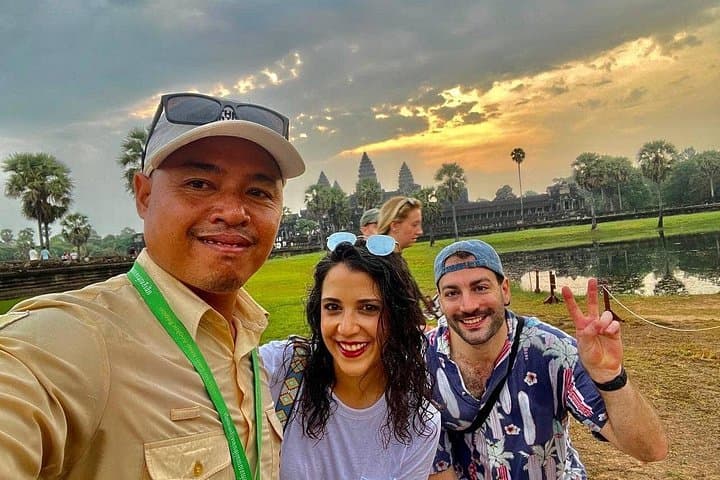
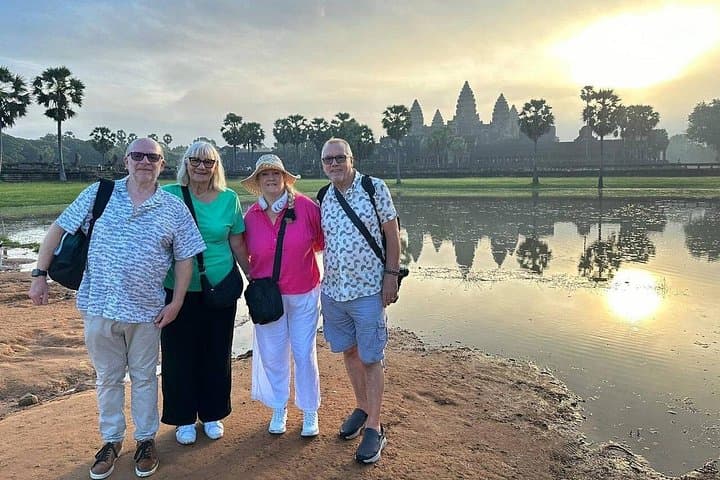
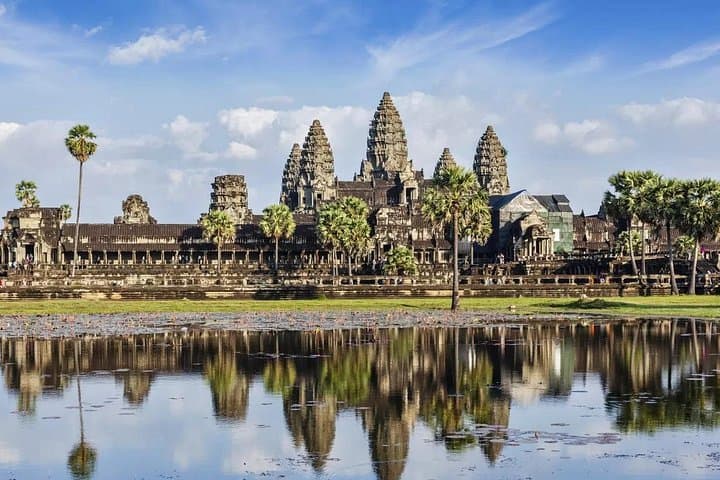
Before dawn the sandstone silhouette of Angkor Wat slices the humid air; tuk-tuk headlights bob along palm-lined lanes and the first light washes the bas-reliefs in a slow reveal. That is the opening note of a six-day private tour that stitches Siem Reap’s temple fields to Phnom Penh’s riverfront—an itinerary built for focus, not haste.
Verified experiences and guided adventures in the surrounding area.
Operated by Green Era Travel · Siem Reap, Siem Reap Province
Before dawn the sandstone silhouette of Angkor Wat slices the humid air; tuk-tuk headlights bob along palm-lined lanes and the first light washes the bas-reliefs in a slow reveal. That is the opening note of a six-day private tour that stitches Siem Reap’s temple fields to Phnom Penh’s riverfront—an itinerary built for focus, not haste.
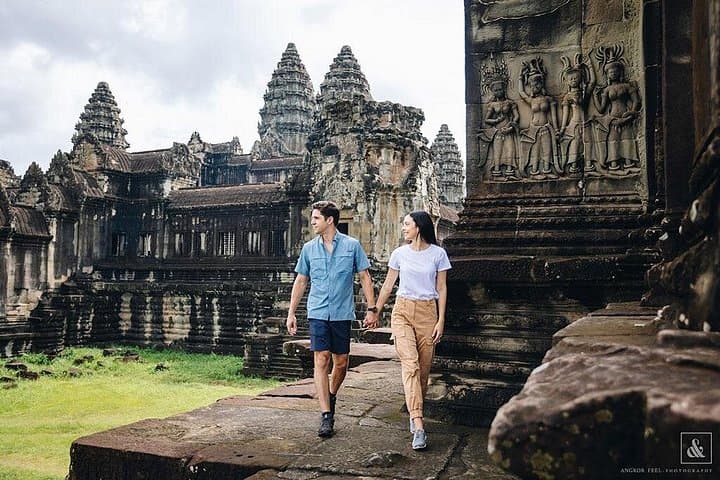
This route traces the rise and fall of the Khmer Empire: 9th–13th century temple-mountains like Angkor Wat and Bayon, delicate pink-carved Banteay Srei, and jungle-swallowed Ta Prohm. Geology here is soft sandstone and laterite; the temples were quarried and stacked into platforms and galleries that settle and shift with the monsoon seasons, inviting both study and careful footwork.
Culturally the trip balances spectacle with sobering memory—Siem Reap’s circus and market life sit alongside Phnom Penh’s Royal Palace and the solemn museums that record the Khmer Rouge era. Local guides translate stone iconography and point out small community projects that keep crafts and dance alive.
Practical edge: plan very early starts for sunrise shots and to avoid midday heat; bring a light rain jacket during monsoon months. Comfortable closed shoes with grip are essential for uneven steps; skirts or shirts covering shoulders are required at religious sites. Hydrate often, carry local riel and a card for larger purchases, and budget time for traffic on the road transfer to Phnom Penh (about 5–6 hours with stops). The private format means paced days, door-to-door transfers, and the flexibility to linger at quieter temples. This is a culturally rich, physically gentle expedition with steady logistics—ideal for travelers who want context with comfort.
moderate.
6 days.
Light to moderate fitness; expect several hours walking each day, short climbs and uneven stone steps.
Many nationalities can obtain a tourist e‑visa online before arrival or a visa on arrival; check current visa rules for your passport and allow time for processing.
Yes — this tour includes entrance fees to the listed temples as part of the itinerary; keep your park pass with you for re-entry.
The private transfer typically takes 5–6 hours with scenic stops; traffic and road conditions can affect timing, so allow a flexible schedule.
Conservative clothing covering shoulders and knees is required at many sites; bring a sarong or scarf if you prefer a lightweight option.
The Angkor complex grew from the 9th to 15th centuries as the Khmer Empire’s capital; many temples reflect Hindu then Buddhist royal patronage and cosmology.
Angkor Archaeological Park limits certain visitor behaviors to protect fragile masonry and bas‑reliefs; support local guides and community projects to help preservation and local economies.
Green Era Travel operates guided outdoor trips and adventures with an emphasis on safety, stewardship, and memorable experiences.
Before dawn the sandstone silhouette of Angkor Wat slices the humid air; tuk-tuk headlights bob along palm-lined lanes and the first light washes the bas-reliefs in a slow reveal. That is the opening note of a six-day private tour that stitches Siem Reap’s temple fields to Phnom Penh’s riverfront—an itinerary built for focus, not haste.
Before dawn the sandstone silhouette of Angkor Wat slices the humid air; tuk-tuk headlights bob along palm-lined lanes and the first light washes the bas-reliefs in a slow reveal. That is the opening note of a six-day private tour that stitches Siem Reap’s temple fields to Phnom Penh’s riverfront—an itinerary built for focus, not haste.
This route traces the rise and fall of the Khmer Empire: 9th–13th century temple-mountains like Angkor Wat and Bayon, delicate pink-carved Banteay Srei, and jungle-swallowed Ta Prohm. Geology here is soft sandstone and laterite; the temples were quarried and stacked into platforms and galleries that settle and shift with the monsoon seasons, inviting both study and careful footwork.
Culturally the trip balances spectacle with sobering memory—Siem Reap’s circus and market life sit alongside Phnom Penh’s Royal Palace and the solemn museums that record the Khmer Rouge era. Local guides translate stone iconography and point out small community projects that keep crafts and dance alive.
Practical edge: plan very early starts for sunrise shots and to avoid midday heat; bring a light rain jacket during monsoon months. Comfortable closed shoes with grip are essential for uneven steps; skirts or shirts covering shoulders are required at religious sites. Hydrate often, carry local riel and a card for larger purchases, and budget time for traffic on the road transfer to Phnom Penh (about 5–6 hours with stops). The private format means paced days, door-to-door transfers, and the flexibility to linger at quieter temples. This is a culturally rich, physically gentle expedition with steady logistics—ideal for travelers who want context with comfort.