THE ADVENTURE COLLECTIVE® · Independent discovery and booking for outdoor travel

Cover the highlights of the Emerald Isle in six days: Titanic Belfast, Giant’s Causeway, the Cliffs of Moher, the Burren and the Dingle Peninsula. This coach-based tour mixes included admissions, local guides, and time to explore towns and coastline on foot.
Cover the highlights of the Emerald Isle in six days: Titanic Belfast, Giant’s Causeway, the Cliffs of Moher, the Burren and the Dingle Peninsula. This coach-based tour mixes included admissions, local guides, and time to explore towns and coastline on foot.
A dull Dublin morning becomes a promise the moment the coach doors close and the guide steps up to the microphone. Rain beads on the windscreen, then clears; green fields unroll like a living map as you head north. By midday the road hugs a charcoal coastline and the Atlantic throws wind at the windows—this is a tour built to move you through Ireland’s moods: industrial Belfast, basalt columns at the Giant’s Causeway, the high cliffs of Moher, the lunar Burren, and the music-stuffed pubs of Dingle.
Verified experiences and guided adventures in the surrounding area.
Operated by Paddywagon Tours · Dublin, County Dublin
A dull Dublin morning becomes a promise the moment the coach doors close and the guide steps up to the microphone. Rain beads on the windscreen, then clears; green fields unroll like a living map as you head north. By midday the road hugs a charcoal coastline and the Atlantic throws wind at the windows—this is a tour built to move you through Ireland’s moods: industrial Belfast, basalt columns at the Giant’s Causeway, the high cliffs of Moher, the lunar Burren, and the music-stuffed pubs of Dingle.
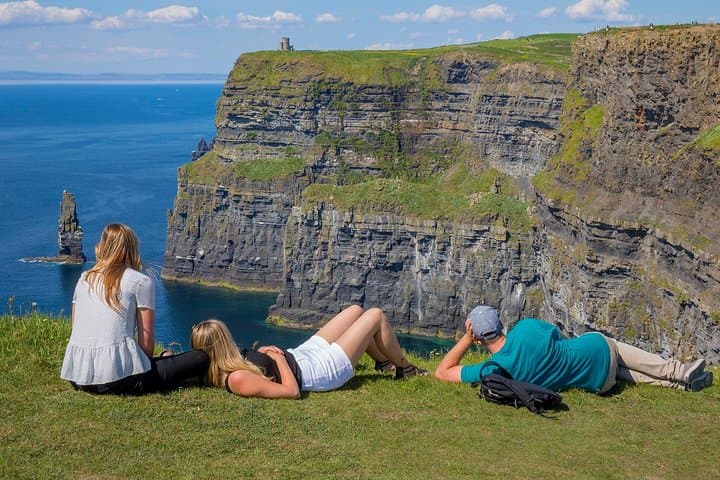
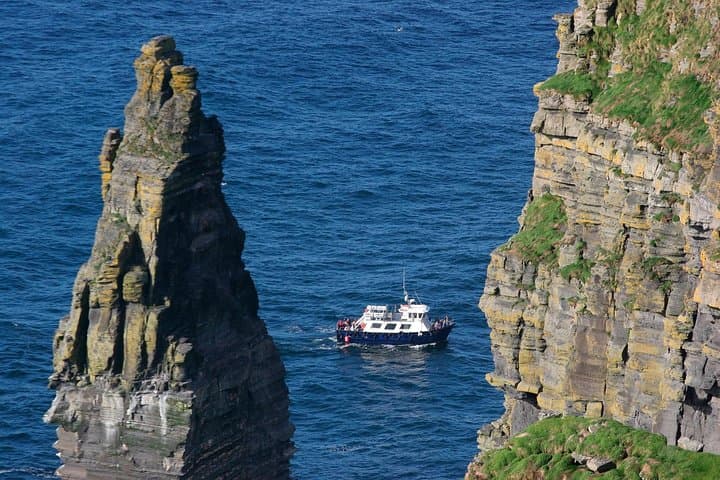
History sits lightly on these roads but is never far away. Monasterboice marks early Christian scholarship with its high crosses and intact round tower; Derry’s 17th‑century city walls narrate more recent conflict and reconciliation. The Burren’s cracked limestone holds plants that shouldn’t be together and stories of survival from the 1840s famine that reshaped emigration and identity. Geology does the talking at the Giant’s Causeway—stacked, hexagonal basalt columns born of ancient volcanic flows—while the Cliffs of Moher are raw erosional theatre where seabirds claim the sky.
Culture is not a museum here; it’s a living thread. In Dingle many residents still speak Irish; in Galway and Killarney you’ll hear storytellers spin history between songs. Guides aren’t only narrators: they point out small details—the thatched cottages of Adare, the Silent Arc of the Blasket Isles, the best stop for a fresh bowl of chowder or an afternoon pint.
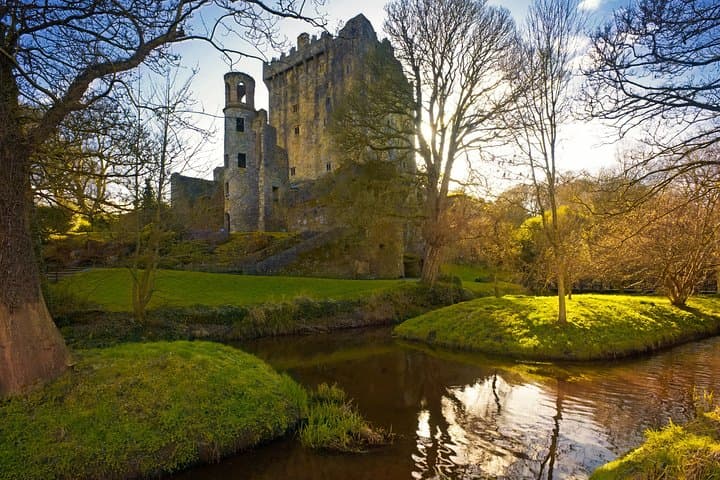
Practically, this is a paced, coach-based multi-day tour that combines included admissions (Titanic Belfast, Giant’s Causeway entry, Cliffs of Moher visitor access, Blarney Castle) with short walks and guided city strolls. Choose Backpacker or Economy accommodation at booking; rooms are per person sharing and pickup is from the stated Dublin start point. Expect daily breakfasts and live onboard commentary, with time allocated for independent exploration in Galway and Dingle. Weather is the defining variable—layers and a waterproof are non-negotiable.
If you want to step off the coach: take the mobility shuttle at the Causeway if walking is difficult; reserve optional horse-drawn carriage or horseback rides in Killarney in advance. Bring a small daypack, good walking shoes, and a camera with a windproof strap—the Cliffs will not be still. Keep passports handy when crossing into Northern Ireland for ease, though formal border checks are uncommon.
At the end of six days you’ll have seen coastline and county towns, learned quick histories at the stops, and left with a sense of why Irish routes are measured as much by people met along them as by miles traveled.
moderate.
6 days.
Suitable for travelers who can walk short distances (10–30 minutes) on uneven ground and climb stairs at sites; basic mobility required for some onsite touring.
Shared tours run up to 56 passengers, creating a social atmosphere while still allowing time for independent exploration at many stops.
Yes—selected admissions are included: Titanic Belfast, Giant’s Causeway visitor centre, Cliffs of Moher access, and Blarney Castle entry as specified in the itinerary.
Choose Backpacker (mixed-hostel dorms) or Economy (private B&B/guest rooms) when booking; rooms are priced per person sharing.
The coach is not fully wheelchair accessible; organisers can store folding mobility aids and offer limited assistance—contact them ahead for needs assessment.
There are no routine border controls between the Republic of Ireland and Northern Ireland, but carrying a passport or valid photo ID is recommended for travel ease.
Pickup changes must be requested by 17:00 the evening before departure and are only guaranteed once confirmed in writing by the operator.
The tour threads through sites shaped by early monastic settlements and by 19th‑century emigration following the Potato Famine; each stop carries layers of social and political history.
Coastal erosion and seabird nesting are active concerns—stay on marked paths, avoid cliff edges, and support local conservation charities where possible.
Paddywagon Tours operates guided outdoor trips and adventures with an emphasis on safety, stewardship, and memorable experiences.
A dull Dublin morning becomes a promise the moment the coach doors close and the guide steps up to the microphone. Rain beads on the windscreen, then clears; green fields unroll like a living map as you head north. By midday the road hugs a charcoal coastline and the Atlantic throws wind at the windows—this is a tour built to move you through Ireland’s moods: industrial Belfast, basalt columns at the Giant’s Causeway, the high cliffs of Moher, the lunar Burren, and the music-stuffed pubs of Dingle.
A dull Dublin morning becomes a promise the moment the coach doors close and the guide steps up to the microphone. Rain beads on the windscreen, then clears; green fields unroll like a living map as you head north. By midday the road hugs a charcoal coastline and the Atlantic throws wind at the windows—this is a tour built to move you through Ireland’s moods: industrial Belfast, basalt columns at the Giant’s Causeway, the high cliffs of Moher, the lunar Burren, and the music-stuffed pubs of Dingle.
History sits lightly on these roads but is never far away. Monasterboice marks early Christian scholarship with its high crosses and intact round tower; Derry’s 17th‑century city walls narrate more recent conflict and reconciliation. The Burren’s cracked limestone holds plants that shouldn’t be together and stories of survival from the 1840s famine that reshaped emigration and identity. Geology does the talking at the Giant’s Causeway—stacked, hexagonal basalt columns born of ancient volcanic flows—while the Cliffs of Moher are raw erosional theatre where seabirds claim the sky.
Culture is not a museum here; it’s a living thread. In Dingle many residents still speak Irish; in Galway and Killarney you’ll hear storytellers spin history between songs. Guides aren’t only narrators: they point out small details—the thatched cottages of Adare, the Silent Arc of the Blasket Isles, the best stop for a fresh bowl of chowder or an afternoon pint.
Practically, this is a paced, coach-based multi-day tour that combines included admissions (Titanic Belfast, Giant’s Causeway entry, Cliffs of Moher visitor access, Blarney Castle) with short walks and guided city strolls. Choose Backpacker or Economy accommodation at booking; rooms are per person sharing and pickup is from the stated Dublin start point. Expect daily breakfasts and live onboard commentary, with time allocated for independent exploration in Galway and Dingle. Weather is the defining variable—layers and a waterproof are non-negotiable.
If you want to step off the coach: take the mobility shuttle at the Causeway if walking is difficult; reserve optional horse-drawn carriage or horseback rides in Killarney in advance. Bring a small daypack, good walking shoes, and a camera with a windproof strap—the Cliffs will not be still. Keep passports handy when crossing into Northern Ireland for ease, though formal border checks are uncommon.
At the end of six days you’ll have seen coastline and county towns, learned quick histories at the stops, and left with a sense of why Irish routes are measured as much by people met along them as by miles traveled.