THE ADVENTURE COLLECTIVE® · Independent discovery and booking for outdoor travel

Ride across wind-sculpted dunes, watch a live falcon hunt and dine under desert stars in the Dubai Desert Conservation Reserve. This five-hour heritage experience blends a 45-minute camel trek with Bedouin hospitality and conservation-minded camp comforts.
Ride across wind-sculpted dunes, watch a live falcon hunt and dine under desert stars in the Dubai Desert Conservation Reserve. This five-hour heritage experience blends a 45-minute camel trek with Bedouin hospitality and conservation-minded camp comforts.
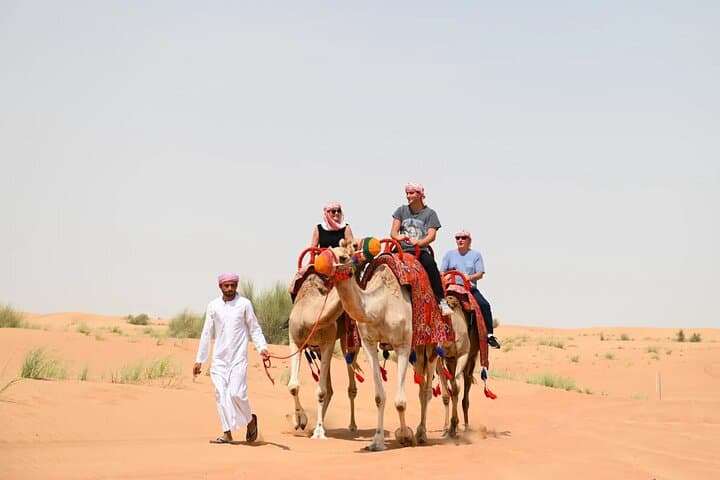
The late-afternoon sun softens the sand into warm brass as a single-file of camels rocks forward, each step sinking and releasing in an endless, rhythmic sigh.
Verified experiences and guided adventures in the surrounding area.
Operated by 57 Safari · Dubai, Dubai
The late-afternoon sun softens the sand into warm brass as a single-file of camels rocks forward, each step sinking and releasing in an endless, rhythmic sigh.
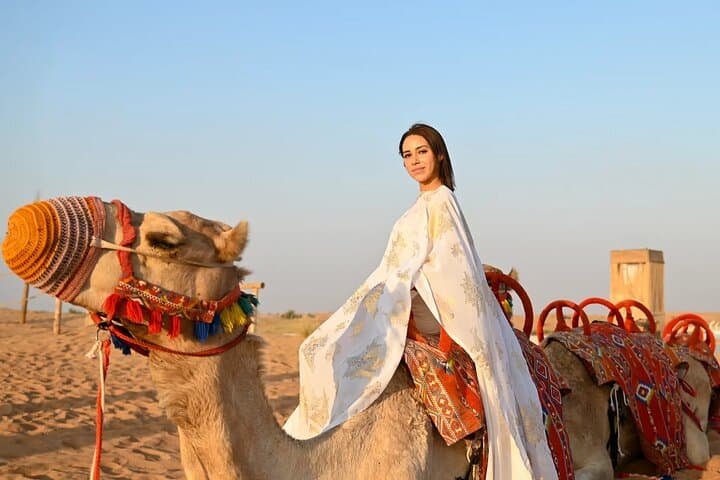
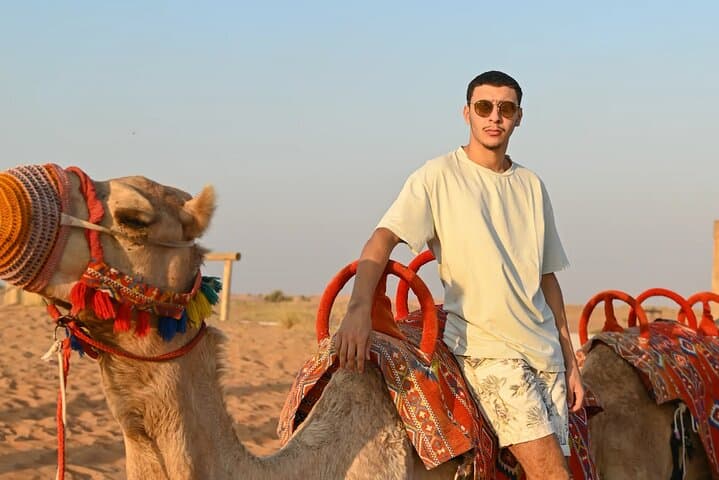
Guests enter the Dubai Desert Conservation Reserve by luxury transfer, trading city glass for wind-sculpted dunes and a heritage camp set in traditional Bedouin style. A 45-minute camel trek carries you along dune crests; falconry demonstrations follow, the bird stooping and turning with precise, practiced violence before returning to a gloved fist.
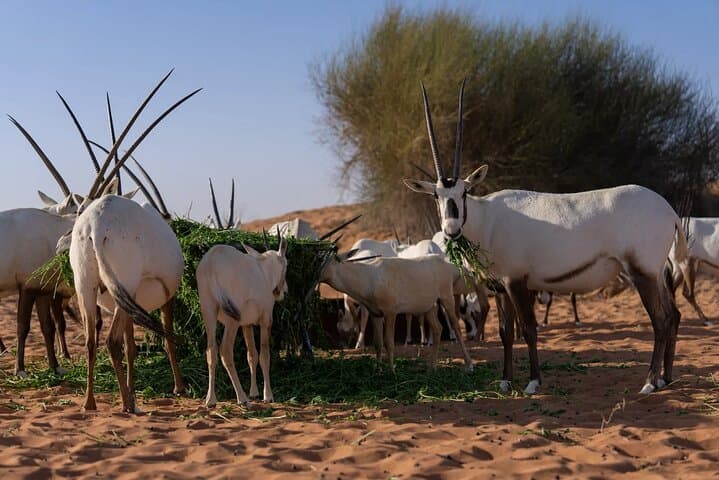
Geology here is recent—sand reworked by seasonal winds into shifting ridges that still move with each storm—and culture is older: falconry and nomadic hospitality are woven into Emirati identity. The camp’s majlis seating, Arabic coffee, fresh dates, henna and live music recreate those social rituals while the reserve’s protected status supports reintroduced species and dune conservation.
Practically, expect a paced evening rather than a strenuous trek: most movement is mounted or seated, but uneven sand and low lighting test balance and footing. Wear closed-toe shoes, sun protection and bring a camera with a fast lens for the falconry shots. Transfers typically leave Dubai in the late afternoon to catch golden hour and return after dinner; a four-course meal and shisha complete the program.
For travelers, this is an accessible introduction to Arabian desert life balanced with conservation-aware tourism—romantic without being reckless, ceremonial without being performative. Time your visit for late afternoon light, arrive hydrated, and treat the evening as a cultural immersion that privileges patience, respect, and curiosity.
moderate.
4–5 hours.
Light-to-moderate fitness: able to mount a camel, stand and walk on sand; not suitable for those with serious back issues or late-term pregnancy.
Yes—camels are generally calm and handlers provide basic instruction; riders sit on traditional saddles and the pace is slow, but mounting and dismounting can require agility.
Most packages include luxury, air-conditioned transfers from central Dubai pickup points; confirm your pickup location and time when booking.
Operators usually can accommodate common dietary needs with advance notice—use the booking questions to specify allergies or preferences.
Children are welcome but check age policies with the operator; infants may require special seating and the camel ride has age/weight guidelines for safety.
Falconry and camel travel are central to Emirati nomadic culture; modern desert camps recreate hospitality rituals including majlis seating and Arabic coffee.
The Dubai Desert Conservation Reserve restricts off-road access and supports species reintroduction; choose operators that follow reserve guidelines to minimize ecological impact.
57 Safari operates guided outdoor trips and adventures with an emphasis on safety, stewardship, and memorable experiences.
The late-afternoon sun softens the sand into warm brass as a single-file of camels rocks forward, each step sinking and releasing in an endless, rhythmic sigh.
The late-afternoon sun softens the sand into warm brass as a single-file of camels rocks forward, each step sinking and releasing in an endless, rhythmic sigh.
Guests enter the Dubai Desert Conservation Reserve by luxury transfer, trading city glass for wind-sculpted dunes and a heritage camp set in traditional Bedouin style. A 45-minute camel trek carries you along dune crests; falconry demonstrations follow, the bird stooping and turning with precise, practiced violence before returning to a gloved fist.
Geology here is recent—sand reworked by seasonal winds into shifting ridges that still move with each storm—and culture is older: falconry and nomadic hospitality are woven into Emirati identity. The camp’s majlis seating, Arabic coffee, fresh dates, henna and live music recreate those social rituals while the reserve’s protected status supports reintroduced species and dune conservation.
Practically, expect a paced evening rather than a strenuous trek: most movement is mounted or seated, but uneven sand and low lighting test balance and footing. Wear closed-toe shoes, sun protection and bring a camera with a fast lens for the falconry shots. Transfers typically leave Dubai in the late afternoon to catch golden hour and return after dinner; a four-course meal and shisha complete the program.
For travelers, this is an accessible introduction to Arabian desert life balanced with conservation-aware tourism—romantic without being reckless, ceremonial without being performative. Time your visit for late afternoon light, arrive hydrated, and treat the evening as a cultural immersion that privileges patience, respect, and curiosity.