THE ADVENTURE COLLECTIVE® · Independent discovery and booking for outdoor travel

Spend four days cruising the Nile between Aswan and Luxor, visiting Abu Simbel, Kom Ombo, Edfu, Karnak, and Luxor with a sunrise balloon option. Expect relaxed river travel, early starts for key sites, and guided walks on ancient stone.
Spend four days cruising the Nile between Aswan and Luxor, visiting Abu Simbel, Kom Ombo, Edfu, Karnak, and Luxor with a sunrise balloon option. Expect relaxed river travel, early starts for key sites, and guided walks on ancient stone.
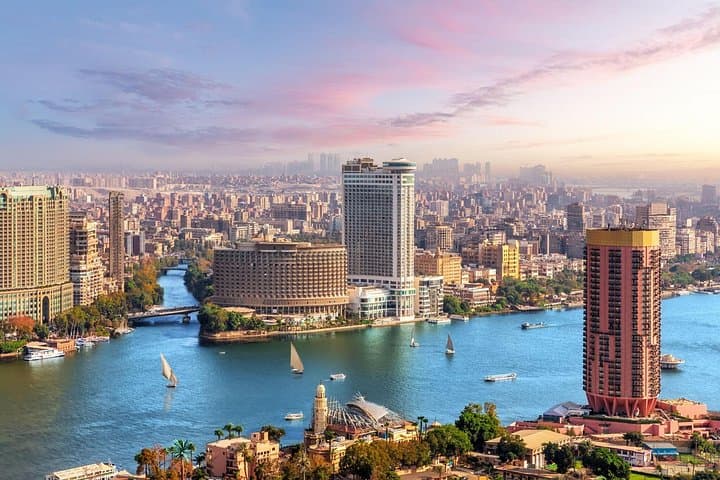
On the warm deck of a five‑star Nile cruiser, palms and mud‑brick villages slide by as the ship eases from Aswan toward Luxor.
Ancient stone and modern engineering meet along this four‑day route: the 20th‑century High Dam reshaped the river while temples like Philae, Abu Simbel, Kom Ombo, Edfu, Karnak and Luxor preserve rituals carved into sandstone.
Abu Simbel’s colossal façades hold the scale and political theater of Ramesses II; Kom Ombo’s twin sanctuaries reflect dual cults for Sobek and Horus; Edfu’s Temple of Horus is remarkably intact; and Karnak’s Hypostyle Hall conveys what once made Thebes a ceremonial powerhouse.
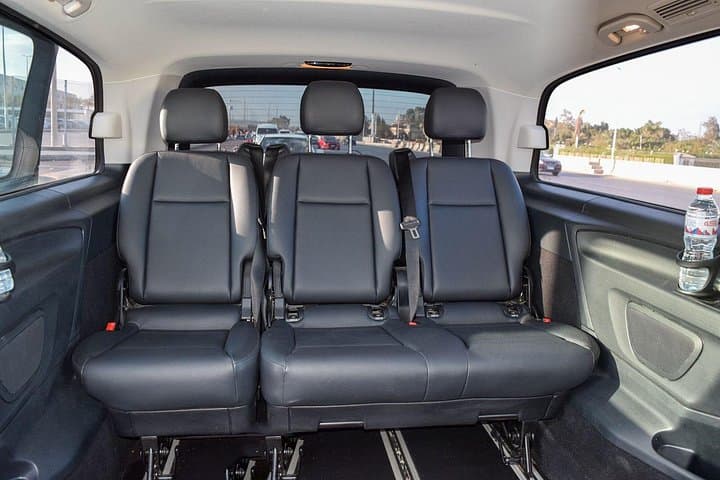
Expect early mornings and brief motorcoach transfers: the Abu Simbel visit begins before sunrise, and the hot‑air balloon departs at dawn over Luxor’s West Bank.
Onshore walking is moderate — uneven stone steps, compacted sand and occasional gravel paths — so flat, grippy shoes and steady footing matter.
The cruise is full‑board with air‑conditioned cabins, on‑deck viewing and evening cultural performances, but shore excursions require sunscreen, a hat and a refillable water bottle.
Bring passport copies for ticketing and moderate cash for tips and small purchases.
Balloon rides are weather‑dependent and may be rescheduled; the operator will confirm early on departure day.
This trip layers relaxed river time with concentrated archaeological exploration, offering both gentle cruising and hands‑on contact with Egypt’s layered history.
Plan for daytime heat: carry electrolyte tablets, schedule indoor siestas during the hottest hours, and allow extra time at sites for photos and shade-seeking between temple colonnades and early returns.
Verified experiences and guided adventures in the surrounding area.
Operated by Adi Tours - Nuba travel · Aswan, Aswan Governorate
On the warm deck of a five‑star Nile cruiser, palms and mud‑brick villages slide by as the ship eases from Aswan toward Luxor.
Ancient stone and modern engineering meet along this four‑day route: the 20th‑century High Dam reshaped the river while temples like Philae, Abu Simbel, Kom Ombo, Edfu, Karnak and Luxor preserve rituals carved into sandstone.
Abu Simbel’s colossal façades hold the scale and political theater of Ramesses II; Kom Ombo’s twin sanctuaries reflect dual cults for Sobek and Horus; Edfu’s Temple of Horus is remarkably intact; and Karnak’s Hypostyle Hall conveys what once made Thebes a ceremonial powerhouse.
Expect early mornings and brief motorcoach transfers: the Abu Simbel visit begins before sunrise, and the hot‑air balloon departs at dawn over Luxor’s West Bank.
Onshore walking is moderate — uneven stone steps, compacted sand and occasional gravel paths — so flat, grippy shoes and steady footing matter.
The cruise is full‑board with air‑conditioned cabins, on‑deck viewing and evening cultural performances, but shore excursions require sunscreen, a hat and a refillable water bottle.
Bring passport copies for ticketing and moderate cash for tips and small purchases.
Balloon rides are weather‑dependent and may be rescheduled; the operator will confirm early on departure day.
This trip layers relaxed river time with concentrated archaeological exploration, offering both gentle cruising and hands‑on contact with Egypt’s layered history.
Plan for daytime heat: carry electrolyte tablets, schedule indoor siestas during the hottest hours, and allow extra time at sites for photos and shade-seeking between temple colonnades and early returns.
moderate.
4 days.
Light to moderate fitness — able to handle multiple short walks on uneven ground and early wakeups
Expect a pickup around 4:00–4:30 a.m. to reach Abu Simbel for the cool morning visit and return by mid‑day.
The balloon is listed as an included optional excursion; operators typically confirm launch on the morning depending on weather.
Yes — the cruise is full‑board with breakfasts, lunches and dinners included during the three nights aboard.
The cruise and some transfer vehicles are wheelchair accessible, but shore sites have uneven surfaces; notify the operator in advance for assistance.
The Nile corridor between Aswan and Luxor was the heartland of ancient Upper Egypt; temples here trace ritual calendars, royal power and river engineering across millennia.
Visitors are encouraged to avoid single‑use plastics, stay on marked paths at archaeological sites, and follow local guide instructions to protect fragile stonework and ecosystems.
Adi Tours - Nuba travel operates guided outdoor trips and adventures with an emphasis on safety, stewardship, and memorable experiences.


On the warm deck of a five‑star Nile cruiser, palms and mud‑brick villages slide by as the ship eases from Aswan toward Luxor.
Ancient stone and modern engineering meet along this four‑day route: the 20th‑century High Dam reshaped the river while temples like Philae, Abu Simbel, Kom Ombo, Edfu, Karnak and Luxor preserve rituals carved into sandstone.
Abu Simbel’s colossal façades hold the scale and political theater of Ramesses II; Kom Ombo’s twin sanctuaries reflect dual cults for Sobek and Horus; Edfu’s Temple of Horus is remarkably intact; and Karnak’s Hypostyle Hall conveys what once made Thebes a ceremonial powerhouse.
Expect early mornings and brief motorcoach transfers: the Abu Simbel visit begins before sunrise, and the hot‑air balloon departs at dawn over Luxor’s West Bank.
Onshore walking is moderate — uneven stone steps, compacted sand and occasional gravel paths — so flat, grippy shoes and steady footing matter.
The cruise is full‑board with air‑conditioned cabins, on‑deck viewing and evening cultural performances, but shore excursions require sunscreen, a hat and a refillable water bottle.
Bring passport copies for ticketing and moderate cash for tips and small purchases.
Balloon rides are weather‑dependent and may be rescheduled; the operator will confirm early on departure day.
This trip layers relaxed river time with concentrated archaeological exploration, offering both gentle cruising and hands‑on contact with Egypt’s layered history.
Plan for daytime heat: carry electrolyte tablets, schedule indoor siestas during the hottest hours, and allow extra time at sites for photos and shade-seeking between temple colonnades and early returns.
On the warm deck of a five‑star Nile cruiser, palms and mud‑brick villages slide by as the ship eases from Aswan toward Luxor.
Ancient stone and modern engineering meet along this four‑day route: the 20th‑century High Dam reshaped the river while temples like Philae, Abu Simbel, Kom Ombo, Edfu, Karnak and Luxor preserve rituals carved into sandstone.
Abu Simbel’s colossal façades hold the scale and political theater of Ramesses II; Kom Ombo’s twin sanctuaries reflect dual cults for Sobek and Horus; Edfu’s Temple of Horus is remarkably intact; and Karnak’s Hypostyle Hall conveys what once made Thebes a ceremonial powerhouse.
Expect early mornings and brief motorcoach transfers: the Abu Simbel visit begins before sunrise, and the hot‑air balloon departs at dawn over Luxor’s West Bank.
Onshore walking is moderate — uneven stone steps, compacted sand and occasional gravel paths — so flat, grippy shoes and steady footing matter.
The cruise is full‑board with air‑conditioned cabins, on‑deck viewing and evening cultural performances, but shore excursions require sunscreen, a hat and a refillable water bottle.
Bring passport copies for ticketing and moderate cash for tips and small purchases.
Balloon rides are weather‑dependent and may be rescheduled; the operator will confirm early on departure day.
This trip layers relaxed river time with concentrated archaeological exploration, offering both gentle cruising and hands‑on contact with Egypt’s layered history.
Plan for daytime heat: carry electrolyte tablets, schedule indoor siestas during the hottest hours, and allow extra time at sites for photos and shade-seeking between temple colonnades and early returns.