THE ADVENTURE COLLECTIVE® · Independent discovery and booking for outdoor travel

Cruise the Ria Formosa lagoon on a five-hour boat tour that visits Ilha Deserta, Ilha do Farol and the fishing community of Ilha da Culatra. Expect beach landings, local seafood stops and guided ecology commentary.
Cruise the Ria Formosa lagoon on a five-hour boat tour that visits Ilha Deserta, Ilha do Farol and the fishing community of Ilha da Culatra. Expect beach landings, local seafood stops and guided ecology commentary.
The boat eases away from Faro’s marina and the lagoon opens like a shallow, breathing map—salt flats, reed channels and low dunes sliding past as the pilot cuts a clean wake toward the islands.
Verified experiences and guided adventures in the surrounding area.
Operated by Fun & Sun · Faro, Algarve
The boat eases away from Faro’s marina and the lagoon opens like a shallow, breathing map—salt flats, reed channels and low dunes sliding past as the pilot cuts a clean wake toward the islands.
Ria Formosa is a barrier-island lagoon system formed by longshore drift and sediment deposits, one of Portugal’s most important coastal wetlands. On this five-hour loop you’ll touch three distinct faces of the park: the wind-swept silence of Ilha Deserta, the working fishing village of Ilha da Culatra, and the lighthouse-backed sands of Ilha do Farol. Local culture still orients around tide tables and shellfish beds; you can see small wooden skiffs and nets hauled in alongside modern eco-management signs.
Expect a mix of shallow-water cruising and short beach or quay landings—45 minutes on Ilha Deserta, 45 on Ilha do Farol and roughly two hours on Culatra for lunch and a village stroll. The guide usually explains the fragile ecology: salt marshes, seagrass meadows and migratory birds that rely on the lagoon.
Practical notes: wear reef-appropriate shoes for hot sand and rocky quays; sun protection is essential; carry water and a light wind layer—the Atlantic can sharpen quickly. If you want quieter photos, aim for morning departures; afternoons are warmer but busier. Respect protected areas and local residents: pick up your trash, follow guide instructions and keep voices low near bird colonies. This is a straightforward, scenic way to experience a living coastal system—part natural classroom, part seaside village visit.
easy.
5 hours.
Minimal fitness required—able-bodied passengers who can board a small boat and walk short sandy or uneven surfaces.
The tour includes free time on Ilha da Culatra to buy lunch at local cafés; you can bring snacks if you prefer—packable, non-perishable items work best.
Yes—infants can ride in strollers and must sit on a lap; the operator notes the tour is physically easy for most ages.
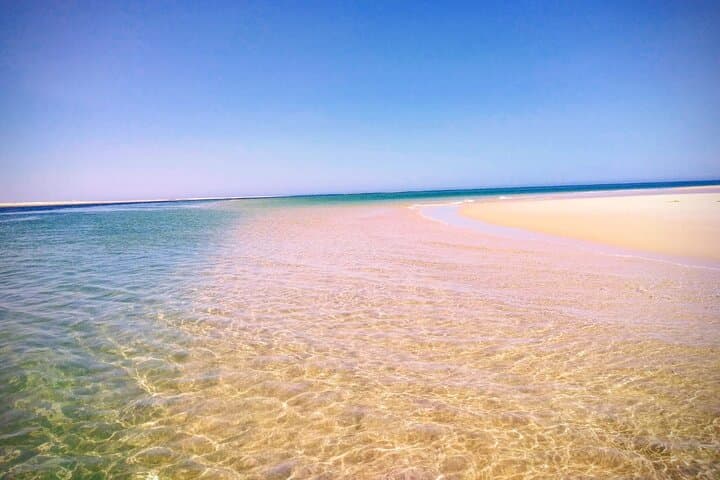
Yes—Ilha Deserta and parts of Farol are popular for swimming; check with the guide about currents and designated swimming zones before entering the water.
Expect shorebirds (e.g., stints and plovers), waders, and occasionally fish or dolphins near channel mouths; guides point out seasonal highlights.
The Ria Formosa evolved over millennia through sediment transport; local communities like Culatra developed around fishing, shellfish harvesting and salt production.
Ria Formosa is a protected natural park—stay on marked areas, avoid trampling seagrass beds and carry out all litter to support ongoing conservation efforts.
Fun & Sun operates guided outdoor trips and adventures with an emphasis on safety, stewardship, and memorable experiences.
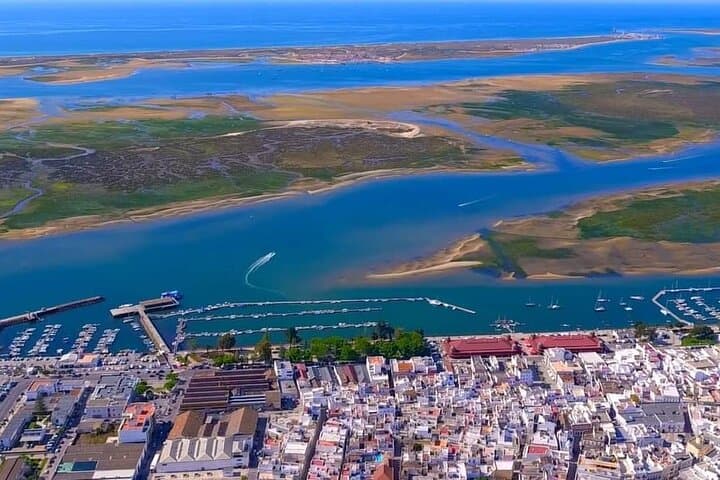


The boat eases away from Faro’s marina and the lagoon opens like a shallow, breathing map—salt flats, reed channels and low dunes sliding past as the pilot cuts a clean wake toward the islands.
The boat eases away from Faro’s marina and the lagoon opens like a shallow, breathing map—salt flats, reed channels and low dunes sliding past as the pilot cuts a clean wake toward the islands.
Ria Formosa is a barrier-island lagoon system formed by longshore drift and sediment deposits, one of Portugal’s most important coastal wetlands. On this five-hour loop you’ll touch three distinct faces of the park: the wind-swept silence of Ilha Deserta, the working fishing village of Ilha da Culatra, and the lighthouse-backed sands of Ilha do Farol. Local culture still orients around tide tables and shellfish beds; you can see small wooden skiffs and nets hauled in alongside modern eco-management signs.
Expect a mix of shallow-water cruising and short beach or quay landings—45 minutes on Ilha Deserta, 45 on Ilha do Farol and roughly two hours on Culatra for lunch and a village stroll. The guide usually explains the fragile ecology: salt marshes, seagrass meadows and migratory birds that rely on the lagoon.
Practical notes: wear reef-appropriate shoes for hot sand and rocky quays; sun protection is essential; carry water and a light wind layer—the Atlantic can sharpen quickly. If you want quieter photos, aim for morning departures; afternoons are warmer but busier. Respect protected areas and local residents: pick up your trash, follow guide instructions and keep voices low near bird colonies. This is a straightforward, scenic way to experience a living coastal system—part natural classroom, part seaside village visit.