THE ADVENTURE COLLECTIVE® · Independent discovery and booking for outdoor travel

Combine Mughal monuments and Rajput forts with an adrenalized morning of tiger tracking: this five-day circuit connects Delhi, Agra and Jaipur with Ranthambhore National Park for a sunrise safari experience. Expect early starts, long drives and rich cultural highlights alongside the best chance to see Royal Bengal tigers in the wild.
Combine Mughal monuments and Rajput forts with an adrenalized morning of tiger tracking: this five-day circuit connects Delhi, Agra and Jaipur with Ranthambhore National Park for a sunrise safari experience. Expect early starts, long drives and rich cultural highlights alongside the best chance to see Royal Bengal tigers in the wild.
Morning in Old Delhi is a rush of horns, chai steam and lanes that seem to push you forward; by evening you’ll be trading that urban tempo for the quiet watchfulness of Ranthambhore’s teak forest where tiger calls carry like a dare. This five-day circuit links three of India’s most visited cities — Delhi, Agra and Jaipur — with a purposeful detour into Ranthambhore National Park for an early-morning tiger game drive in a shared canter or jeep.
Verified experiences and guided adventures in the surrounding area.
Operated by Agra Trip · Sawai Madhopur, Rajasthan
Morning in Old Delhi is a rush of horns, chai steam and lanes that seem to push you forward; by evening you’ll be trading that urban tempo for the quiet watchfulness of Ranthambhore’s teak forest where tiger calls carry like a dare. This five-day circuit links three of India’s most visited cities — Delhi, Agra and Jaipur — with a purposeful detour into Ranthambhore National Park for an early-morning tiger game drive in a shared canter or jeep.
The route threads Mughal history and Rajput architecture: Humayun’s Tomb and Qutub Minar in Delhi; the white marble precision of the Taj Mahal and Agra Fort; the hill-top Amber Fort and the astronomical stones of Jantar Mantar in Jaipur. Geologically the terrain shifts from the alluvial plains around the Yamuna to the eroded outcrops and scrub forests of the Chambal-Sawai Madhopur region where rivers and seasonal lakes sustain deer, nilgai and the tiger’s prey base.
Expect long but comfortable transfers by air-conditioned vehicle, sunrise safaris (typically 6–9 AM), and shared canter jeeps in the park; some park zones close during the monsoon (July–September). Bring layers for cool pre-dawn drives, sun protection for city sightseeing and patience — wildlife sightings can’t be guaranteed but the landscape, forts and monuments deliver reliably.
Practically: carry photocopies of your passport, book early-morning safari slots, budget time for security lines at major monuments, and tip guides locally. Hydrate, protect against dust and plan your itinerary around park closure dates to get the most from both cultural and wildlife elements of this classic Indian circuit.
moderate.
5 days.
Reasonable mobility for short walks and boarding safari vehicles is required; long vehicle transfers mean stamina for travel days is helpful.
Late October to June is the park season with the dry months (Oct–June) offering the best visibility; monsoon (July–Sept) sees partial closure of zones and reduced access.
No — safaris increase your chance of seeing tigers but sightings are never guaranteed; experienced naturalists and early morning drives improve odds.
You need entry tickets for major monuments and timed access at the Taj Mahal and Amber Fort; your tour operator usually arranges or advises on tickets included in the itinerary.
The tour involves vehicle transfers, short walks, and boarding canter trucks; travelers with significant mobility limitations should check accessibility at specific sites and inform the operator in advance.
The Golden Triangle strings together Mughal-era urban planning and tomb architecture in Delhi and Agra with Jaipur’s 18th-century Rajput palaces; Ranthambhore was once a princely hunting ground transformed into a Project Tiger reserve.
Ranthambhore is managed under India’s tiger reserve network (Project Tiger); visitors should follow zonal rules to reduce disturbance, avoid single-use plastics and support local guides who adhere to park regulations.
Agra Trip operates guided outdoor trips and adventures with an emphasis on safety, stewardship, and memorable experiences.
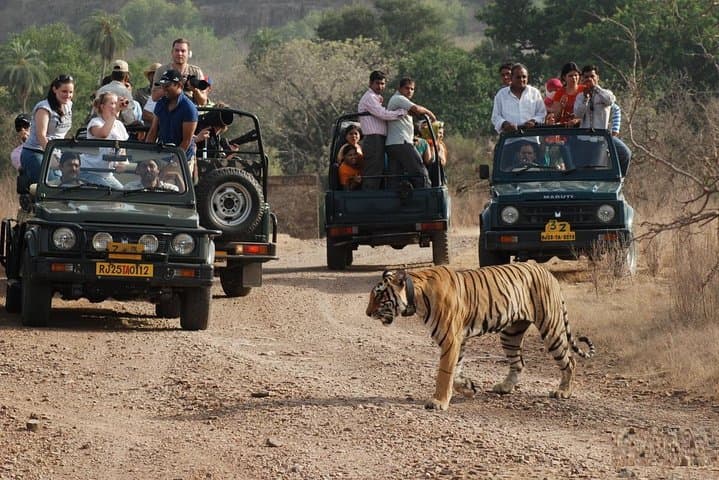
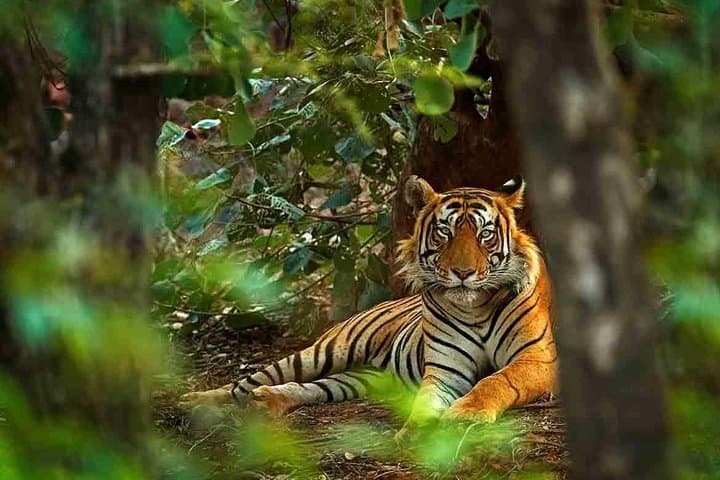
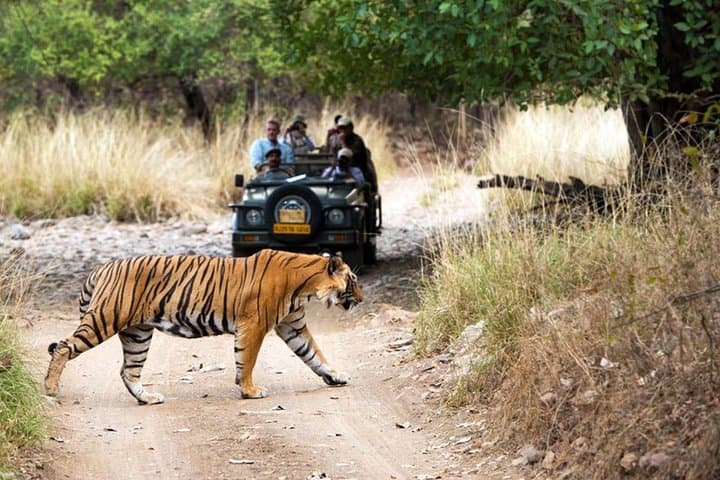
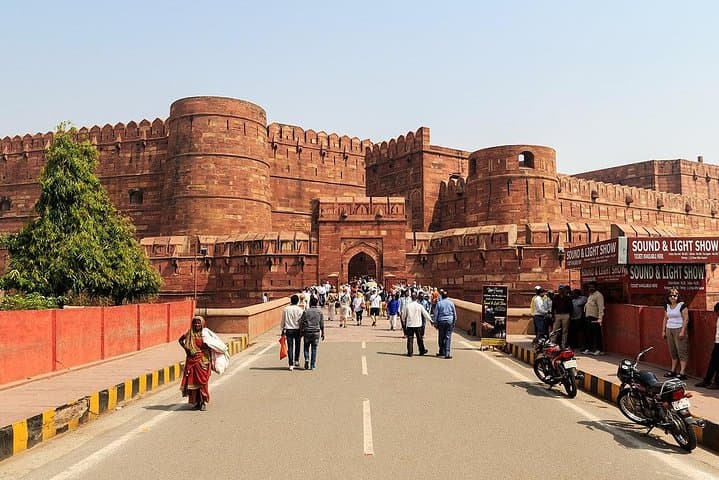
Morning in Old Delhi is a rush of horns, chai steam and lanes that seem to push you forward; by evening you’ll be trading that urban tempo for the quiet watchfulness of Ranthambhore’s teak forest where tiger calls carry like a dare. This five-day circuit links three of India’s most visited cities — Delhi, Agra and Jaipur — with a purposeful detour into Ranthambhore National Park for an early-morning tiger game drive in a shared canter or jeep.
Morning in Old Delhi is a rush of horns, chai steam and lanes that seem to push you forward; by evening you’ll be trading that urban tempo for the quiet watchfulness of Ranthambhore’s teak forest where tiger calls carry like a dare. This five-day circuit links three of India’s most visited cities — Delhi, Agra and Jaipur — with a purposeful detour into Ranthambhore National Park for an early-morning tiger game drive in a shared canter or jeep.
The route threads Mughal history and Rajput architecture: Humayun’s Tomb and Qutub Minar in Delhi; the white marble precision of the Taj Mahal and Agra Fort; the hill-top Amber Fort and the astronomical stones of Jantar Mantar in Jaipur. Geologically the terrain shifts from the alluvial plains around the Yamuna to the eroded outcrops and scrub forests of the Chambal-Sawai Madhopur region where rivers and seasonal lakes sustain deer, nilgai and the tiger’s prey base.
Expect long but comfortable transfers by air-conditioned vehicle, sunrise safaris (typically 6–9 AM), and shared canter jeeps in the park; some park zones close during the monsoon (July–September). Bring layers for cool pre-dawn drives, sun protection for city sightseeing and patience — wildlife sightings can’t be guaranteed but the landscape, forts and monuments deliver reliably.
Practically: carry photocopies of your passport, book early-morning safari slots, budget time for security lines at major monuments, and tip guides locally. Hydrate, protect against dust and plan your itinerary around park closure dates to get the most from both cultural and wildlife elements of this classic Indian circuit.