THE ADVENTURE COLLECTIVE® · Independent discovery and booking for outdoor travel

Trace fog-laced ridges in Bwindi for an hour beside a family of mountain gorillas, then switch to open savanna drives and a hippo-rich launch on Kazinga Channel. This five-day loop pairs up-close primate encounters with classic East African game viewing.
Trace fog-laced ridges in Bwindi for an hour beside a family of mountain gorillas, then switch to open savanna drives and a hippo-rich launch on Kazinga Channel. This five-day loop pairs up-close primate encounters with classic East African game viewing.
Dawn breaks on a dirt road and the vehicle hums south toward the mists that cling to Bwindi’s ridgelines. Rainforest leaves drip onto the path as porters and guides ready cameras and walking sticks; the forest seems to breathe, the canopy nudging visitors deeper. Within hours you can go from open savanna—where elephants and buffalo graze—to dense forest where silverbacks move with intentional, slow power.
Verified experiences and guided adventures in the surrounding area.
Operated by Gorilla safari uganda · Rushaga, Western Region
Dawn breaks on a dirt road and the vehicle hums south toward the mists that cling to Bwindi’s ridgelines. Rainforest leaves drip onto the path as porters and guides ready cameras and walking sticks; the forest seems to breathe, the canopy nudging visitors deeper. Within hours you can go from open savanna—where elephants and buffalo graze—to dense forest where silverbacks move with intentional, slow power.
This route threads together two distinct landscapes: the ancient, volcanic highlands that form Bwindi Impenetrable Forest and the broad, shallow plains and waterways of Queen Elizabeth National Park, carved by tectonics and the Edwardian rift. Human history here is layered: Batwa forest peoples, colonial-era salt pans at Katwe, and contemporary conservation efforts that balance tourism, livelihoods, and protection of endangered mountain gorillas.
Expect steep, muddy trails during gorilla treks and wide, dustier tracks on game drives. Guides interpret animal behavior and cultural practices, and a Kazinga Channel launch gives close-up views of hippos and birdlife.
Practical guidance: book gorilla permits well in advance and travel with light, waterproof layers; trekking can take 2–6 hours depending on group and gorilla movement. Carry 2–3 liters of water, snacks, and spare batteries for cameras. Respect viewing rules—no loud talking, stay the allotted hour, and follow your guide’s lead.
Timing matters: dry months make game drives easier, while rainier times offer lush forest colors and fewer people. With preparation, this five-day itinerary delivers intimate wildlife encounters and grounded cultural context—raw, instructive, and profoundly close to nature.
moderate.
5 days.
Moderate fitness recommended—treks may include several hours of uphill and muddy walking; short bursts of agility help for steep slopes
Most visitors to Uganda require a visa (often e-Visa) and should consult a travel clinic for routine vaccines and malaria prophylaxis well before departure.
Trekking time varies from 1–6 hours depending on gorilla movement and group location; expect additional time for briefings and transfers.
Minimum age for gorilla permits is typically 15 years; check current park regulations when booking.
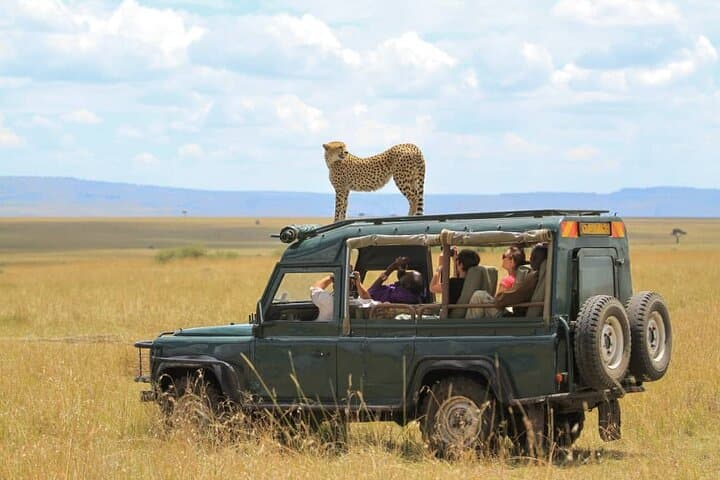
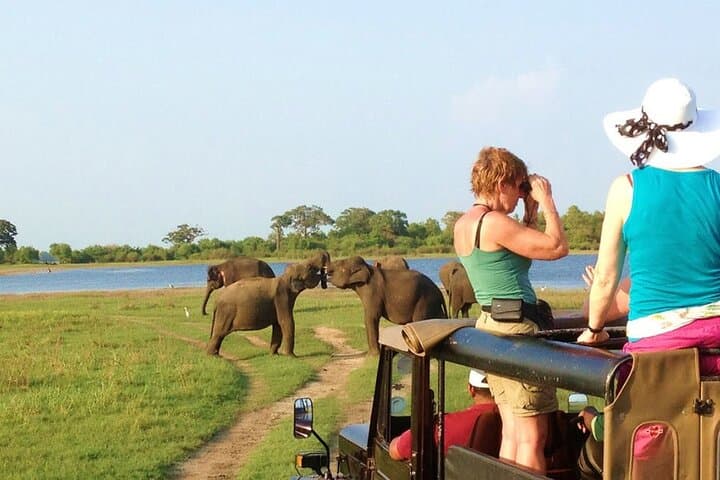
Expect elephants, buffalo, Uganda kob, warthog, lions, and large hippo pods along Kazinga Channel, as well as abundant birdlife.
Bwindi's protection began in the 20th century as colonial and post-colonial pressures threatened habitat; community-based programs now play a big role in conservation.
Gorilla tourism funds anti-poaching, local employment, and community projects—travelers should follow park rules and minimize plastic and noise impact.
Gorilla safari uganda operates guided outdoor trips and adventures with an emphasis on safety, stewardship, and memorable experiences.
Dawn breaks on a dirt road and the vehicle hums south toward the mists that cling to Bwindi’s ridgelines. Rainforest leaves drip onto the path as porters and guides ready cameras and walking sticks; the forest seems to breathe, the canopy nudging visitors deeper. Within hours you can go from open savanna—where elephants and buffalo graze—to dense forest where silverbacks move with intentional, slow power.
Dawn breaks on a dirt road and the vehicle hums south toward the mists that cling to Bwindi’s ridgelines. Rainforest leaves drip onto the path as porters and guides ready cameras and walking sticks; the forest seems to breathe, the canopy nudging visitors deeper. Within hours you can go from open savanna—where elephants and buffalo graze—to dense forest where silverbacks move with intentional, slow power.
This route threads together two distinct landscapes: the ancient, volcanic highlands that form Bwindi Impenetrable Forest and the broad, shallow plains and waterways of Queen Elizabeth National Park, carved by tectonics and the Edwardian rift. Human history here is layered: Batwa forest peoples, colonial-era salt pans at Katwe, and contemporary conservation efforts that balance tourism, livelihoods, and protection of endangered mountain gorillas.
Expect steep, muddy trails during gorilla treks and wide, dustier tracks on game drives. Guides interpret animal behavior and cultural practices, and a Kazinga Channel launch gives close-up views of hippos and birdlife.
Practical guidance: book gorilla permits well in advance and travel with light, waterproof layers; trekking can take 2–6 hours depending on group and gorilla movement. Carry 2–3 liters of water, snacks, and spare batteries for cameras. Respect viewing rules—no loud talking, stay the allotted hour, and follow your guide’s lead.
Timing matters: dry months make game drives easier, while rainier times offer lush forest colors and fewer people. With preparation, this five-day itinerary delivers intimate wildlife encounters and grounded cultural context—raw, instructive, and profoundly close to nature.