THE ADVENTURE COLLECTIVE® · Independent discovery and booking for outdoor travel

Travel the classic Silk Road corridor on a private five-day VIP tour from Dunhuang. See the Mogao Caves with a private cave guide, walk Han-era frontier passes, and experience desert dunes and the Crescent Moon Spring with VIP logistics and accommodation.
Travel the classic Silk Road corridor on a private five-day VIP tour from Dunhuang. See the Mogao Caves with a private cave guide, walk Han-era frontier passes, and experience desert dunes and the Crescent Moon Spring with VIP logistics and accommodation.
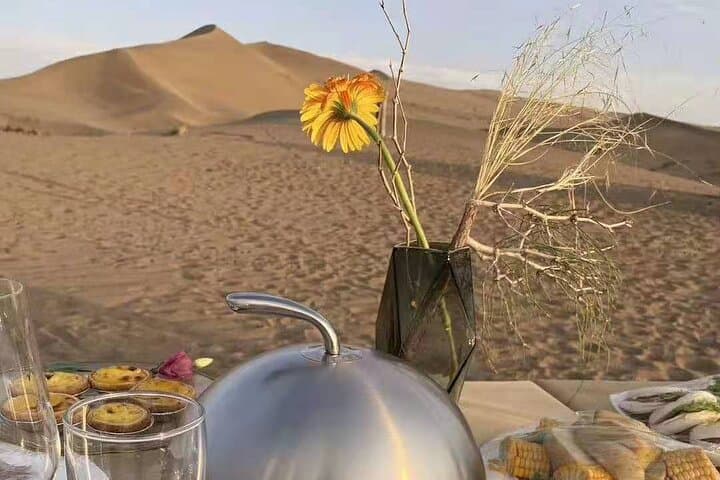
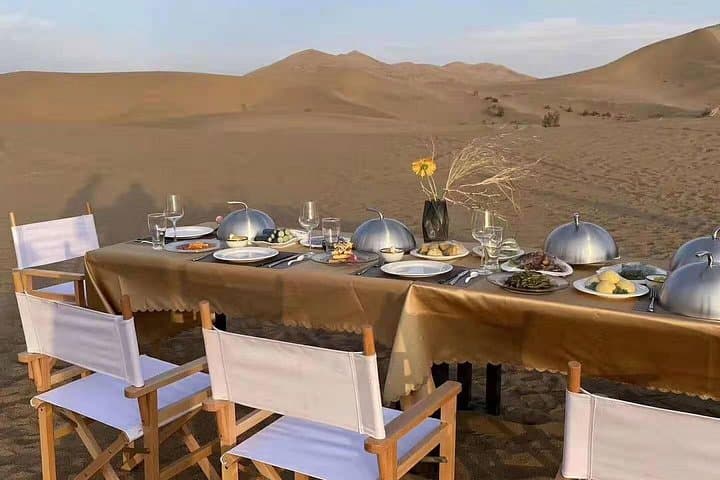
The road unfurls like an old map as your private vehicle slides away from Dunhuang's airport: low, ochre cityscapes give way to banded dunes and salt-flat horizons. By the second day you feel Silk Road history underfoot — not as legend but as layered, physical work: Han-era fortifications of rammed earth, caravan tracks cut into loess, and a spring that refuses to be buried by sand.
Verified experiences and guided adventures in the surrounding area.
Operated by Silk Road Angel Tours · Dunhuang, Gansu
The road unfurls like an old map as your private vehicle slides away from Dunhuang's airport: low, ochre cityscapes give way to banded dunes and salt-flat horizons. By the second day you feel Silk Road history underfoot — not as legend but as layered, physical work: Han-era fortifications of rammed earth, caravan tracks cut into loess, and a spring that refuses to be buried by sand.
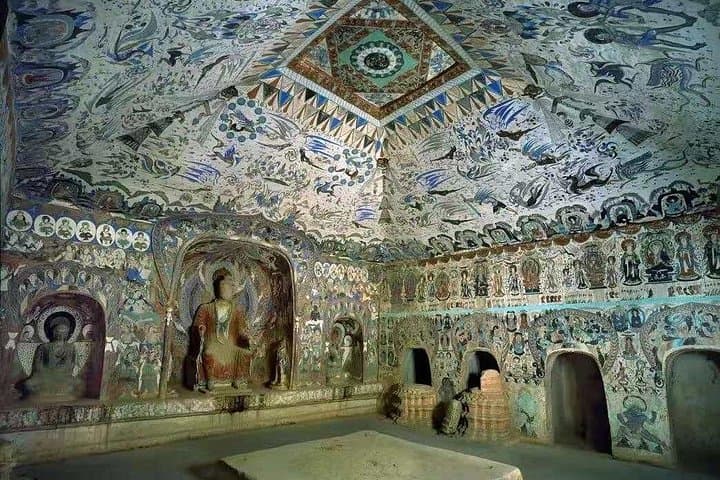
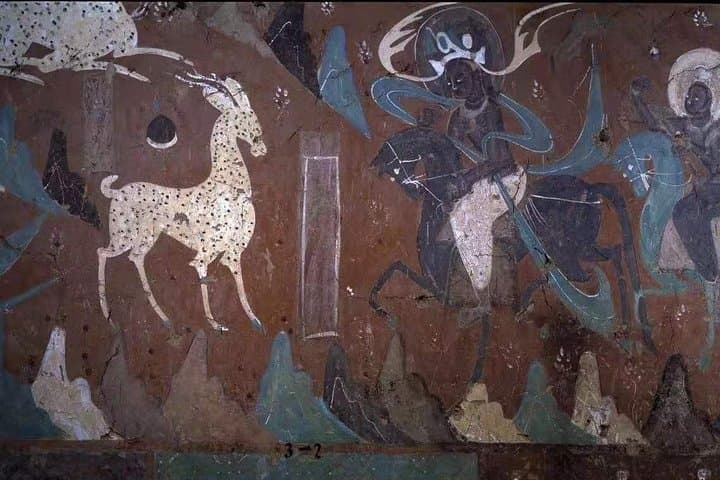
This five-day VIP itinerary threads the region’s cultural high points. Mogao Caves—one of China’s four great grotto complexes—contains hundreds of painted caves and thousands of iconographic works; Yumen and Yangguan passes mark the Han Dynasty’s frontier engineering where earth and reed replaced stone; Yulin Grottoes and the Suoyangcheng ruins recall the towns and monastic networks that serviced caravans.
Geologically, you’ll be moving between aeolian dunes and compact desert plateaus; Crescent Moon Spring is a perennial groundwater feature whose persistence against shifting sand is an instructive local oddity. Culturally, the trip highlights Buddhist mural art, Silk Road trade routes, and local Uyghur and Han heritage visible in food and performances.
Practical edge: days are driven and wheelchair-accessible with a national guide and VIP access at key sites—expect structured museum times, regulated cave visits (no flash photography), and significant sun and wind exposure. Pace your visits (Mogao requires time and quiet), carry layered clothing for big diurnal swings, keep water and sun protection handy, and book flights or trains out of Dunhuang in advance if extending travel. This is a museum-rich, low-impact exploration best enjoyed with a guide who can navigate permits and quieter cave access.
easy.
5 days.
Light activity: suitable for most travelers who can walk short museum routes and climb moderate stairs.
Yes — the tour includes air-conditioned private transport and four nights at the local best 5‑star hotel (Dunhuang Gloria Grand Hotel or similar).
Photography rules are strict: flash and tripods are typically prohibited; follow the private cave guide’s instructions for permitted areas and timing.
The supplier lists wheelchair accessibility for many areas and transport, but some cave sites and dune viewpoints have steps and uneven ground—check specific site access in advance.
All entrance fees for listed attractions are included, and VIP arrangements provide prioritized access where available.
This corridor was a commercial and cultural artery on the Silk Road; Han Dynasty frontier works here used rammed earth and local plant matter rather than stone, reflecting available materials and logistics.
Mogao and Yulin grottoes are fragile—visitor numbers and photography are tightly controlled to protect pigments and plaster; follow guides and avoid touching surfaces to limit wear.
Silk Road Angel Tours operates guided outdoor trips and adventures with an emphasis on safety, stewardship, and memorable experiences.
The road unfurls like an old map as your private vehicle slides away from Dunhuang's airport: low, ochre cityscapes give way to banded dunes and salt-flat horizons. By the second day you feel Silk Road history underfoot — not as legend but as layered, physical work: Han-era fortifications of rammed earth, caravan tracks cut into loess, and a spring that refuses to be buried by sand.
The road unfurls like an old map as your private vehicle slides away from Dunhuang's airport: low, ochre cityscapes give way to banded dunes and salt-flat horizons. By the second day you feel Silk Road history underfoot — not as legend but as layered, physical work: Han-era fortifications of rammed earth, caravan tracks cut into loess, and a spring that refuses to be buried by sand.
This five-day VIP itinerary threads the region’s cultural high points. Mogao Caves—one of China’s four great grotto complexes—contains hundreds of painted caves and thousands of iconographic works; Yumen and Yangguan passes mark the Han Dynasty’s frontier engineering where earth and reed replaced stone; Yulin Grottoes and the Suoyangcheng ruins recall the towns and monastic networks that serviced caravans.
Geologically, you’ll be moving between aeolian dunes and compact desert plateaus; Crescent Moon Spring is a perennial groundwater feature whose persistence against shifting sand is an instructive local oddity. Culturally, the trip highlights Buddhist mural art, Silk Road trade routes, and local Uyghur and Han heritage visible in food and performances.
Practical edge: days are driven and wheelchair-accessible with a national guide and VIP access at key sites—expect structured museum times, regulated cave visits (no flash photography), and significant sun and wind exposure. Pace your visits (Mogao requires time and quiet), carry layered clothing for big diurnal swings, keep water and sun protection handy, and book flights or trains out of Dunhuang in advance if extending travel. This is a museum-rich, low-impact exploration best enjoyed with a guide who can navigate permits and quieter cave access.