THE ADVENTURE COLLECTIVE® · Independent discovery and booking for outdoor travel

Move from Murchison’s Nile thrum to the intimate hush of Kibale’s chimpanzee trails on this five‑day Uganda safari. Expect vehicle game drives, a Nile launch, and a regulated chimpanzee habituation trek led by local rangers.
Move from Murchison’s Nile thrum to the intimate hush of Kibale’s chimpanzee trails on this five‑day Uganda safari. Expect vehicle game drives, a Nile launch, and a regulated chimpanzee habituation trek led by local rangers.
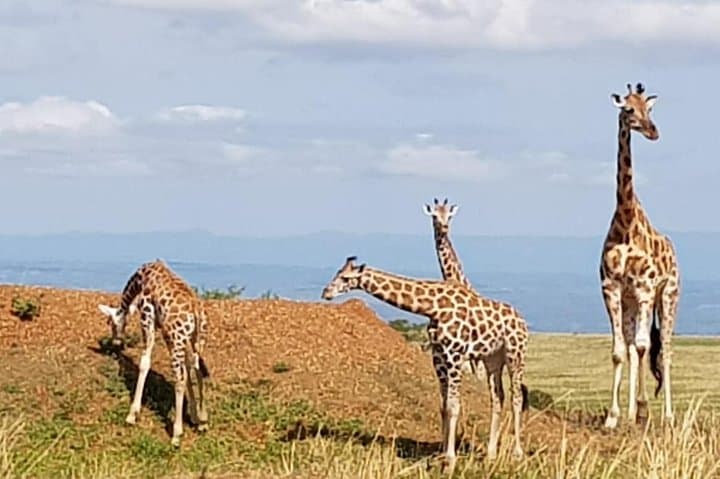
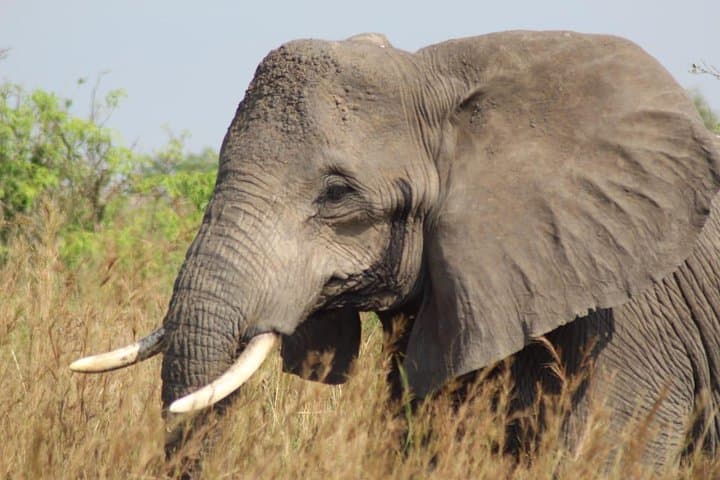
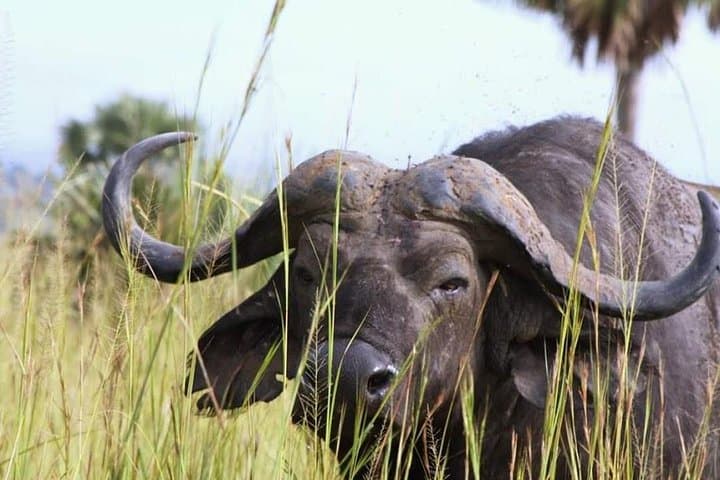
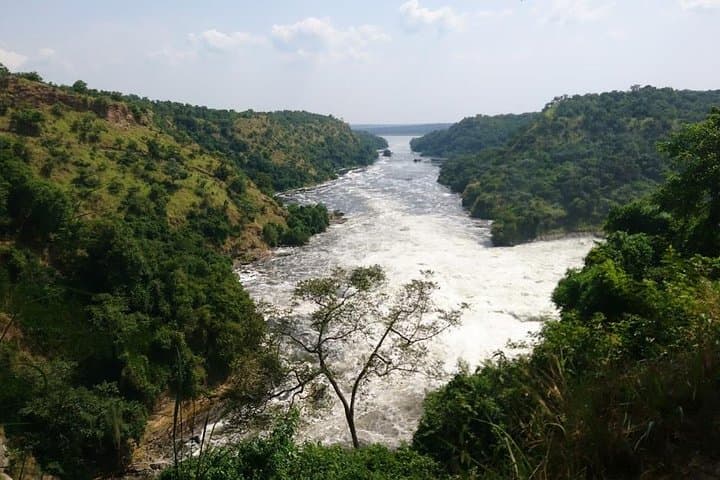
Dawn breaks over the Rwenzori foothills as your convoy slips out of Fort Portal toward the green ribs of Kibale Forest. Humid air scents the cab with wet earth and coffee; tracks rattle on laterite roads and the forest closes in like a living wall. On this five‑day route you move from safari plains to riverine cliffs, trading vehicle-bound binoculars for a slow, on‑foot encounter with chimpanzees and the rush of the Nile through Murchison.
Verified experiences and guided adventures in the surrounding area.
Operated by MuAfrika Adventures Ltd · Fort Portal, Western Region
Dawn breaks over the Rwenzori foothills as your convoy slips out of Fort Portal toward the green ribs of Kibale Forest. Humid air scents the cab with wet earth and coffee; tracks rattle on laterite roads and the forest closes in like a living wall. On this five‑day route you move from safari plains to riverine cliffs, trading vehicle-bound binoculars for a slow, on‑foot encounter with chimpanzees and the rush of the Nile through Murchison.
Kibale sits on ancient volcanic soils that feed dense tropical forest—home to one of the highest primate concentrations in East Africa. Nearby Fort Portal owes its name to a late‑19th century colonial fort, a reminder that human and natural histories intertwine here. Downriver, Murchison Falls carves the landscape where the Nile forces itself through a narrow cleft, a geological gesture that shapes wildlife patterns and local fishing culture.
Expect full days: morning game drives and a two‑hour launch on the Nile at Murchison, then steady travel to Kibale for a habituation trek that can involve several hours of hiking in uneven, muddy terrain before you locate a chimp community (one hour of viewing once found). Villages like Bigodi offer cultural walks and a chance to see traditional basket‑making and coffee processing.
Practical notes: stamina and sturdy footwear make the difference; insect protection and rain layers are essential during shoulder and wet seasons. Hydrate on long drives, carry local currency for community fees or tips, and follow your guide’s instructions close to wildlife—habituation visits are regulated for conservation and safety. This itinerary balances high wildlife density with hands‑on natural history, ideal for travelers who want both spectacle and an active, grounded encounter with Uganda’s forests and river systems.
moderate.
5 days.
Moderate fitness: you should be comfortable walking 1–4 hours on uneven, sometimes steep or muddy trails and tolerate long road transfers.
Yes—chimpanzee habituation permits are required and typically included in organized tours; guides will handle registration at Kanyanchu.
Once located, visitors are usually permitted one hour of observation under strict guidelines to minimize disturbance and disease risk.
Consult a travel clinic for routine vaccinations, yellow fever proof (required for entry), and malaria prophylaxis; bring a basic first‑aid kit for blisters or minor injuries.
Older, active children can participate in game drives and boat cruises, but habituation treks may be physically demanding and have age or group restrictions—check with the operator.
Fort Portal grew around a colonial-era fort built in the 1890s by Sir Gerald Portal; the region has long blended traditional agricultural communities with colonial-era infrastructure.
Habituation permits and community tourism fees support research, anti‑poaching and local livelihoods—follow guidelines to minimize disease transmission and habitat disturbance.
MuAfrika Adventures Ltd operates guided outdoor trips and adventures with an emphasis on safety, stewardship, and memorable experiences.
Dawn breaks over the Rwenzori foothills as your convoy slips out of Fort Portal toward the green ribs of Kibale Forest. Humid air scents the cab with wet earth and coffee; tracks rattle on laterite roads and the forest closes in like a living wall. On this five‑day route you move from safari plains to riverine cliffs, trading vehicle-bound binoculars for a slow, on‑foot encounter with chimpanzees and the rush of the Nile through Murchison.
Dawn breaks over the Rwenzori foothills as your convoy slips out of Fort Portal toward the green ribs of Kibale Forest. Humid air scents the cab with wet earth and coffee; tracks rattle on laterite roads and the forest closes in like a living wall. On this five‑day route you move from safari plains to riverine cliffs, trading vehicle-bound binoculars for a slow, on‑foot encounter with chimpanzees and the rush of the Nile through Murchison.
Kibale sits on ancient volcanic soils that feed dense tropical forest—home to one of the highest primate concentrations in East Africa. Nearby Fort Portal owes its name to a late‑19th century colonial fort, a reminder that human and natural histories intertwine here. Downriver, Murchison Falls carves the landscape where the Nile forces itself through a narrow cleft, a geological gesture that shapes wildlife patterns and local fishing culture.
Expect full days: morning game drives and a two‑hour launch on the Nile at Murchison, then steady travel to Kibale for a habituation trek that can involve several hours of hiking in uneven, muddy terrain before you locate a chimp community (one hour of viewing once found). Villages like Bigodi offer cultural walks and a chance to see traditional basket‑making and coffee processing.
Practical notes: stamina and sturdy footwear make the difference; insect protection and rain layers are essential during shoulder and wet seasons. Hydrate on long drives, carry local currency for community fees or tips, and follow your guide’s instructions close to wildlife—habituation visits are regulated for conservation and safety. This itinerary balances high wildlife density with hands‑on natural history, ideal for travelers who want both spectacle and an active, grounded encounter with Uganda’s forests and river systems.