THE ADVENTURE COLLECTIVE® · Independent discovery and booking for outdoor travel

A five-day loop from Kampala through Queen Elizabeth National Park, Bwindi Impenetrable Forest and Lake Mburo pairs classic savanna game viewing and a Kazinga Channel boat cruise with a guided gorilla trek in Bwindi. Expect steep, wet trails, strict permit rules and varied habitats.
A five-day loop from Kampala through Queen Elizabeth National Park, Bwindi Impenetrable Forest and Lake Mburo pairs classic savanna game viewing and a Kazinga Channel boat cruise with a guided gorilla trek in Bwindi. Expect steep, wet trails, strict permit rules and varied habitats.
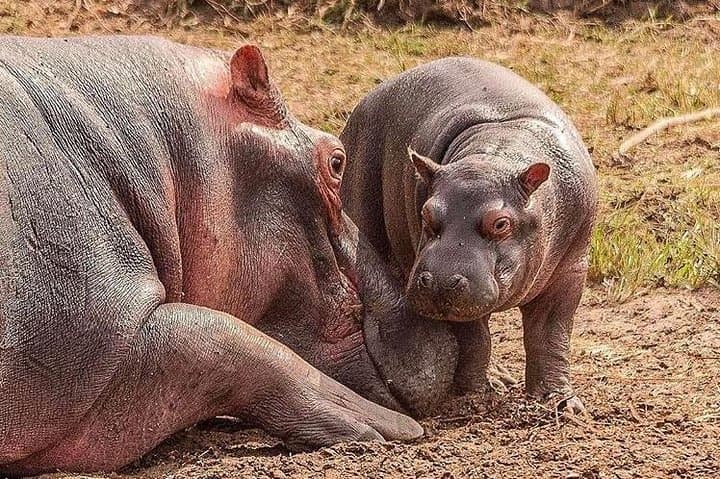
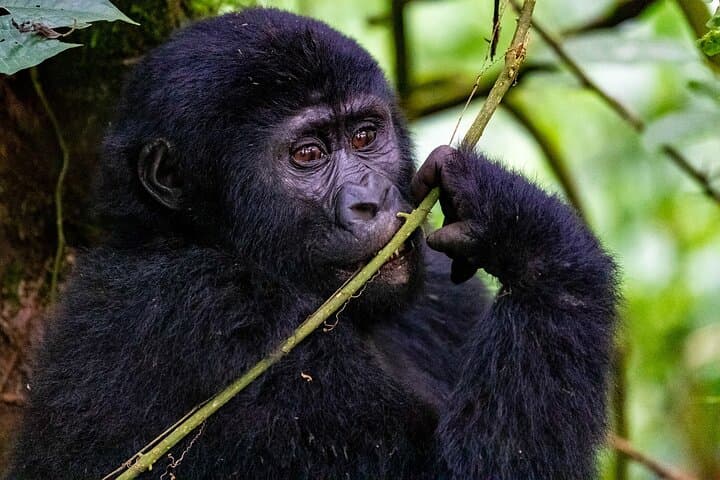
A pre-dawn road slices through green hills as the safari vehicle heads west from Kampala; mist lifts off tea terraces, and the Equator sign fades in the rearview. By mid-day the Kazinga Channel spreads like a shallow mirror, hippos daring you to stare as a river of waterbirds threads the banks. Later, the forest of Bwindi closes in—ferns clamp the trail, vines tug at trousers and the path climbs into cloud, every footstep measured and deliberate.
Verified experiences and guided adventures in the surrounding area.
Operated by Gorilla Explorers · Kampala, Central Region
A pre-dawn road slices through green hills as the safari vehicle heads west from Kampala; mist lifts off tea terraces, and the Equator sign fades in the rearview. By mid-day the Kazinga Channel spreads like a shallow mirror, hippos daring you to stare as a river of waterbirds threads the banks. Later, the forest of Bwindi closes in—ferns clamp the trail, vines tug at trousers and the path climbs into cloud, every footstep measured and deliberate.
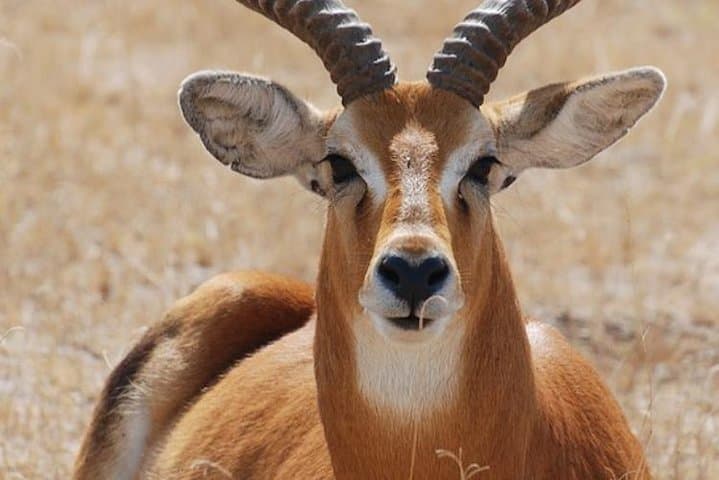
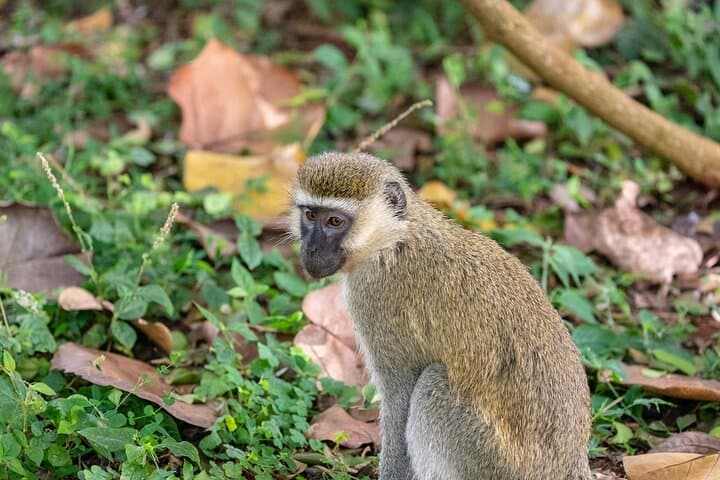
The route crosses the Albertine Rift, an ancient fault line that made steep ridges and isolated forests rich in endemic life. Local communities — Bakiga and Batwa — have long shaped pathways and knowledge used by trackers and guides. Queen Elizabeth National Park showcases the rift’s savanna and wetland edges where tree‑climbing lions and hippo pods plug into a very different ecology than Bwindi’s montane forest. Lake Mburo’s open plains offer zebras, impala and short grass that makes game viewing easy.
Practical guidance: gorilla tracking in Bwindi usually takes 30 minutes to 4 hours on trails that can be steep, muddy and densely vegetated; expect elevation around 1,200–2,200 m and prepare for sudden rain. Permits are required and strictly limited — book early. Carry a daypack with water, snacks, rain gear, insect repellent and a camera (no flash near gorillas). Wear sturdy, waterproof boots and layers for quick temperature shifts. Guides handle navigation and briefing; follow their rules for approach distance and hygiene to protect both visitors and primates.
This trip blends river and grassland sightings with one of the planet’s most intimate wildlife encounters — practical, rigorous and unforgettable when planned with the right gear and permits.
moderate.
5 days.
Moderate fitness recommended—comfortable walking for up to 4 hours on uneven, steep, often muddy trails; some transfers are long.
Yes—gorilla permits are mandatory, issued by Uganda Wildlife Authority; they are limited and should be booked well in advance.
Trek times vary from 30 minutes to several hours on steep, muddy terrain; moderate fitness and good footwear are recommended.
Gorilla permits often have age restrictions and long, rough walks can be unsuitable for people with spinal or serious cardiovascular issues—check specific health advisories before booking.
Dry seasons (June–September, December–February) generally offer easier trekking and clearer wildlife viewing, though gorilla tracking is possible year-round.
The Albertine Rift shaped the region’s steep topography and isolated forests, fostering high endemism; Bwindi’s protection grew from conservation efforts to save dwindling gorilla populations in the late 20th century.
Gorilla trekking is tightly regulated—permits, guided groups and hygiene measures reduce human-wildlife disease risk; support community-run lodging and local guides to strengthen conservation incentives.
Gorilla Explorers operates guided outdoor trips and adventures with an emphasis on safety, stewardship, and memorable experiences.
A pre-dawn road slices through green hills as the safari vehicle heads west from Kampala; mist lifts off tea terraces, and the Equator sign fades in the rearview. By mid-day the Kazinga Channel spreads like a shallow mirror, hippos daring you to stare as a river of waterbirds threads the banks. Later, the forest of Bwindi closes in—ferns clamp the trail, vines tug at trousers and the path climbs into cloud, every footstep measured and deliberate.
A pre-dawn road slices through green hills as the safari vehicle heads west from Kampala; mist lifts off tea terraces, and the Equator sign fades in the rearview. By mid-day the Kazinga Channel spreads like a shallow mirror, hippos daring you to stare as a river of waterbirds threads the banks. Later, the forest of Bwindi closes in—ferns clamp the trail, vines tug at trousers and the path climbs into cloud, every footstep measured and deliberate.
The route crosses the Albertine Rift, an ancient fault line that made steep ridges and isolated forests rich in endemic life. Local communities — Bakiga and Batwa — have long shaped pathways and knowledge used by trackers and guides. Queen Elizabeth National Park showcases the rift’s savanna and wetland edges where tree‑climbing lions and hippo pods plug into a very different ecology than Bwindi’s montane forest. Lake Mburo’s open plains offer zebras, impala and short grass that makes game viewing easy.
Practical guidance: gorilla tracking in Bwindi usually takes 30 minutes to 4 hours on trails that can be steep, muddy and densely vegetated; expect elevation around 1,200–2,200 m and prepare for sudden rain. Permits are required and strictly limited — book early. Carry a daypack with water, snacks, rain gear, insect repellent and a camera (no flash near gorillas). Wear sturdy, waterproof boots and layers for quick temperature shifts. Guides handle navigation and briefing; follow their rules for approach distance and hygiene to protect both visitors and primates.
This trip blends river and grassland sightings with one of the planet’s most intimate wildlife encounters — practical, rigorous and unforgettable when planned with the right gear and permits.