THE ADVENTURE COLLECTIVE® · Independent discovery and booking for outdoor travel

Pair a morning on the wild Nile with multi-hour treks into Mgahinga’s volcanic forests for gorilla encounters. This 5-day private circuit moves from Jinja’s rapids to the cloud-swept slopes near Kisoro—expect long drives, highlights of local culture, and a mix of river and mountain terrain.
Pair a morning on the wild Nile with multi-hour treks into Mgahinga’s volcanic forests for gorilla encounters. This 5-day private circuit moves from Jinja’s rapids to the cloud-swept slopes near Kisoro—expect long drives, highlights of local culture, and a mix of river and mountain terrain.
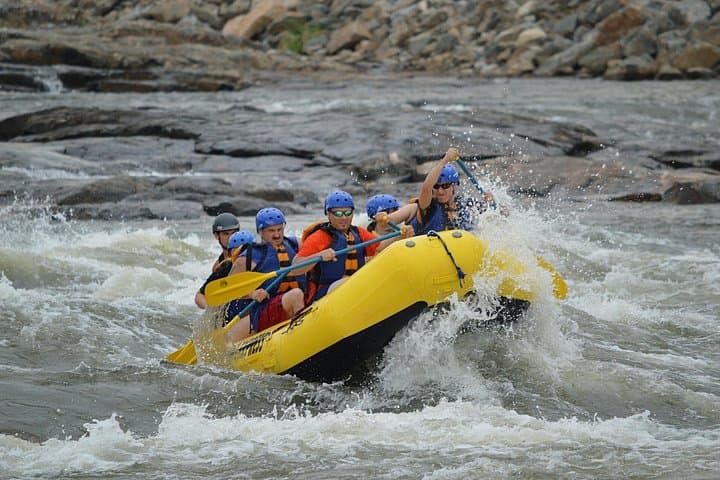
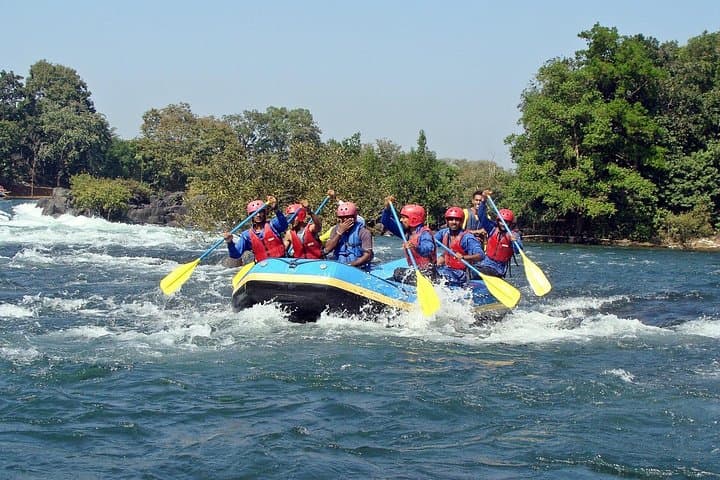
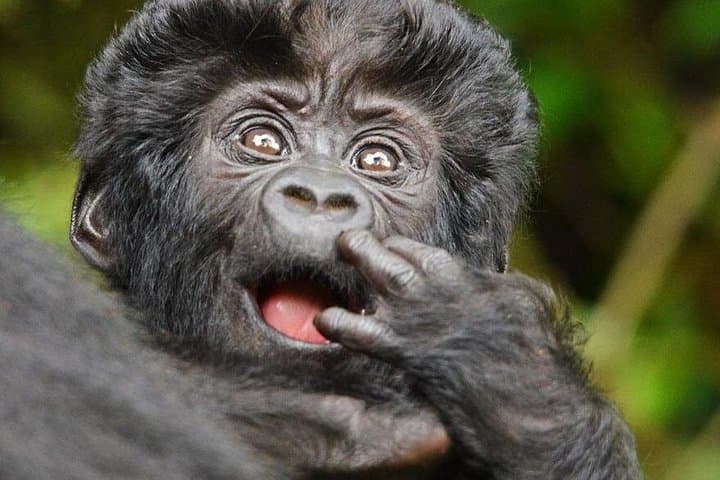
You push off into the Nile at first light and the river immediately dares you—churning, tumbling rock-to-rock beneath a patchwork of riparian forest. Later that week the volcanic peaks of Mgahinga rise like watchful islands, their mossy flanks swallowing sound as trackers lead you through cloud-wet vegetation in search of mountain gorillas.
Verified experiences and guided adventures in the surrounding area.
Operated by Verdoro Safaris Uganda · Kisoro, Western Region
You push off into the Nile at first light and the river immediately dares you—churning, tumbling rock-to-rock beneath a patchwork of riparian forest. Later that week the volcanic peaks of Mgahinga rise like watchful islands, their mossy flanks swallowing sound as trackers lead you through cloud-wet vegetation in search of mountain gorillas.
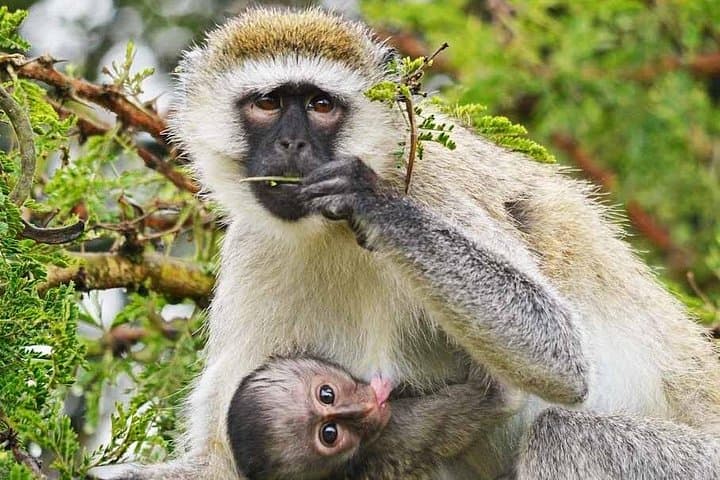
Jinja sits where Lake Victoria frees the Nile; it grew as an industrial hub after 1907 and now funnels adrenaline sports into its compact townfront. Westward, the Virunga volcanic chain shapes Mgahinga: rugged lava soils, steep ridgelines and bamboo groves that support gorillas and golden monkeys. The Batwa people have long histories tied to these forests—guiding, singing and sharing local knowledge as part of many visits.
Expect variety: a morning 3–4 hour rafting session on managed rapids with full safety briefings, transfers across tea and sugar country, then multi-hour hikes on uneven trails at Mgahinga. Treks commonly range 2–6 hours with intermittent steep sections and 200–800 m cumulative elevation change depending on the gorilla family location. Terrain shifts from river gravel and sandy eddies to slippery roots, bamboo thickets and volcanic scree.
Practical edge: carry 2–3 liters of water, wear stiff-soled waterproof boots, and layer for sudden mist and sun. Permit and guide logistics for gorilla tracking are handled locally—reserve permits well in advance and budget for park fees. Factor in long drives (Kampala–Jinja ~85 km; Kampala–Kisoro 6–8 hours by road or ~2 hours by air) and plan rest between high-energy water days and mountain hikes. With preparation, this pairing of the Nile’s force and Mgahinga’s quiet giants delivers a compact, high-impact Uganda week.
challenging.
5 days.
Good cardiovascular fitness with ability to hike 2–6 hours on uneven terrain and take part in moderate paddling.
No prior rafting is required; operators provide instruction, safety briefings, and guide-led runs suitable for beginners and intermediates.
Treks vary from 2–6 hours depending on gorilla movement; they require walking on uneven, sometimes steep terrain—ask for a porters’ service if needed.
Permits are typically arranged through the operator but confirm at booking—permits are limited and often sold separately or bundled depending on the tour.
Significant transfers: Kampala to Jinja ~85 km (1.5–2.5 hours), and western transfer to Kisoro can be 6–8 hours by road or 2 hours by flight—plan buffer time for travel.
Jinja developed as an industrial town around the Nile’s source after 1907; the Virunga volcanic chain forms the geological backbone of Mgahinga, shaping local ecosystems and communities.
Gorilla tracking is highly regulated to limit disturbance; follow guide protocols, avoid close contact when ill, and support community-led conservation initiatives.
Verdoro Safaris Uganda operates guided outdoor trips and adventures with an emphasis on safety, stewardship, and memorable experiences.
You push off into the Nile at first light and the river immediately dares you—churning, tumbling rock-to-rock beneath a patchwork of riparian forest. Later that week the volcanic peaks of Mgahinga rise like watchful islands, their mossy flanks swallowing sound as trackers lead you through cloud-wet vegetation in search of mountain gorillas.
You push off into the Nile at first light and the river immediately dares you—churning, tumbling rock-to-rock beneath a patchwork of riparian forest. Later that week the volcanic peaks of Mgahinga rise like watchful islands, their mossy flanks swallowing sound as trackers lead you through cloud-wet vegetation in search of mountain gorillas.
Jinja sits where Lake Victoria frees the Nile; it grew as an industrial hub after 1907 and now funnels adrenaline sports into its compact townfront. Westward, the Virunga volcanic chain shapes Mgahinga: rugged lava soils, steep ridgelines and bamboo groves that support gorillas and golden monkeys. The Batwa people have long histories tied to these forests—guiding, singing and sharing local knowledge as part of many visits.
Expect variety: a morning 3–4 hour rafting session on managed rapids with full safety briefings, transfers across tea and sugar country, then multi-hour hikes on uneven trails at Mgahinga. Treks commonly range 2–6 hours with intermittent steep sections and 200–800 m cumulative elevation change depending on the gorilla family location. Terrain shifts from river gravel and sandy eddies to slippery roots, bamboo thickets and volcanic scree.
Practical edge: carry 2–3 liters of water, wear stiff-soled waterproof boots, and layer for sudden mist and sun. Permit and guide logistics for gorilla tracking are handled locally—reserve permits well in advance and budget for park fees. Factor in long drives (Kampala–Jinja ~85 km; Kampala–Kisoro 6–8 hours by road or ~2 hours by air) and plan rest between high-energy water days and mountain hikes. With preparation, this pairing of the Nile’s force and Mgahinga’s quiet giants delivers a compact, high-impact Uganda week.