THE ADVENTURE COLLECTIVE® · Independent discovery and booking for outdoor travel

A 5-day rail circuit from Zürich to Interlaken and Lucerne that pairs two of Switzerland’s iconic alpine experiences: the Jungfraujoch ‘Top of Europe’ and the revolving-gondola summit of Mount Titlis. Expect high-altitude platforms, glacier views, efficient train transfers, and practical steps to prepare for thin air and rapidly changing weather.
A 5-day rail circuit from Zürich to Interlaken and Lucerne that pairs two of Switzerland’s iconic alpine experiences: the Jungfraujoch ‘Top of Europe’ and the revolving-gondola summit of Mount Titlis. Expect high-altitude platforms, glacier views, efficient train transfers, and practical steps to prepare for thin air and rapidly changing weather.
The train slips out of Zürich Airport into lowland green, then climbs through tunnel and pasture until Interlaken opens like a photograph between Lake Brienz and Lake Thun. Morning light picks out the jagged teeth of the Bernese Alps; by the second day you’re looking up at the Jungfrau from a platform carved into ice and stone.
Verified experiences and guided adventures in the surrounding area.
Operated by Giovani Holidays · Interlaken, Canton of Bern
The train slips out of Zürich Airport into lowland green, then climbs through tunnel and pasture until Interlaken opens like a photograph between Lake Brienz and Lake Thun. Morning light picks out the jagged teeth of the Bernese Alps; by the second day you’re looking up at the Jungfrau from a platform carved into ice and stone.
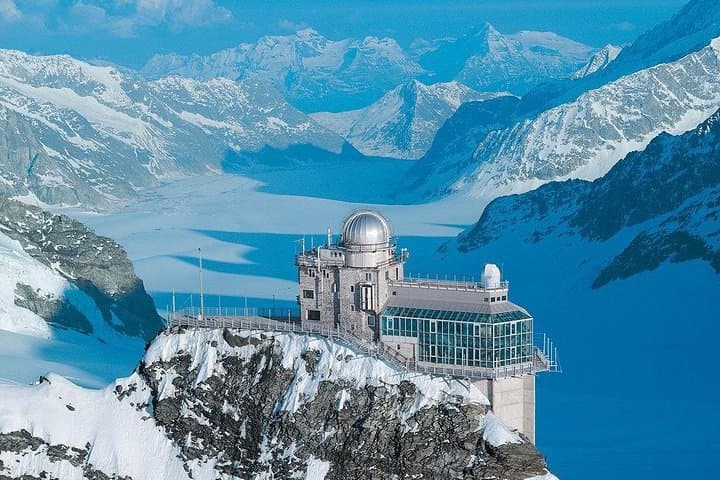
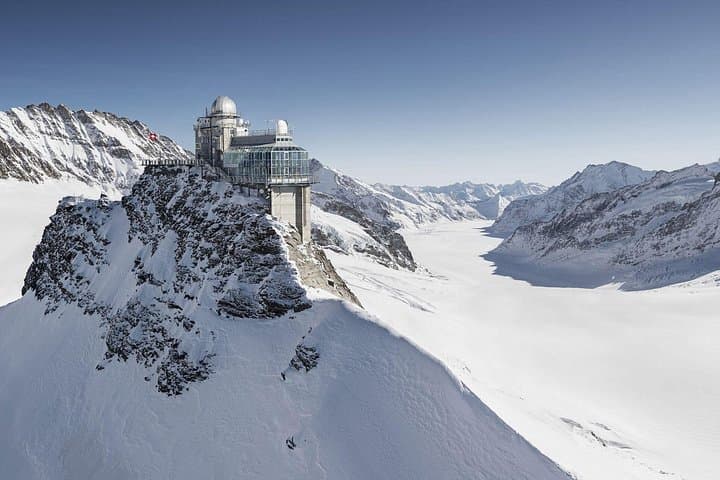
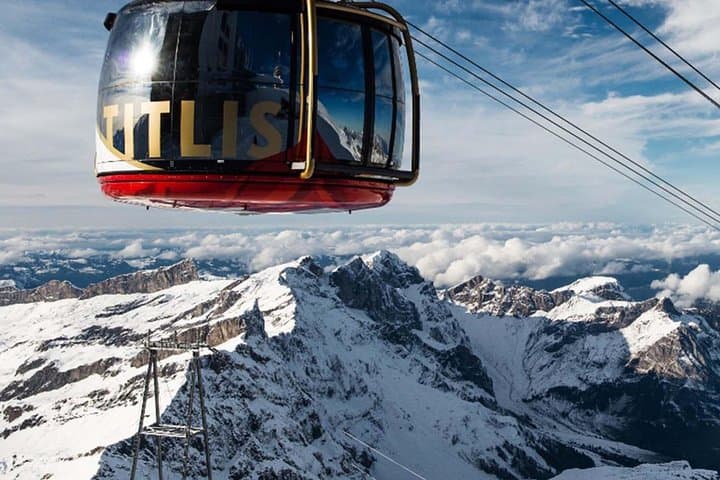
Jungfraujoch — the so-called Top of Europe — is reached on one of the continent’s most ambitious mountain railways, an early-20th-century engineering feat tunneling through the Eiger and Mönch. Titlis, west of Lucerne, offers a modern contrast: the Rotair revolving gondola delivers 360° views of crevassed glacier and limestone ridgelines. Both sites sit on classic alpine geology — crystalline basement rock capped with glacial ice — and in regions shaped by centuries of pasture farming and emergent alpine tourism.
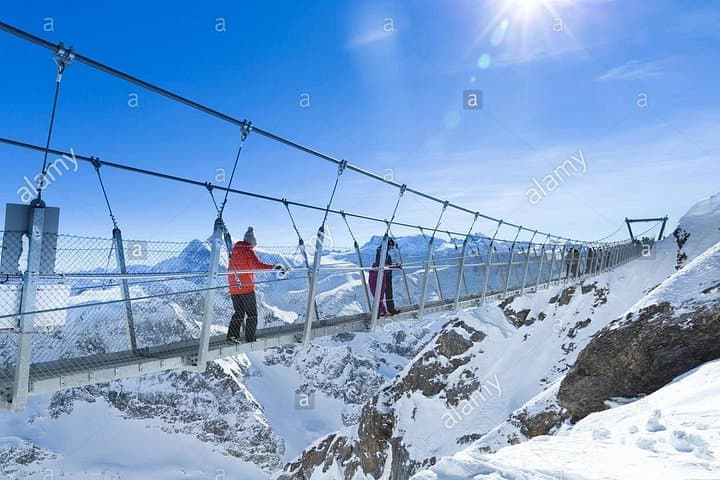
Expect short walks at altitude, panoramic viewing platforms, glacier exhibition spaces, and the usual visitor facilities. Cultural notes: Interlaken serves as the historic gateway for mountaineers and summer tourists; Lucerne adds lakeside promenades and wooden-bridge architecture to the itinerary.
Practical guidance: pack layered, windproof clothing and sturdy shoes for icy viewing decks; acclimatize on day one if you’re sensitive to altitude. Trains between Zurich–Interlaken–Lucerne are efficient; confirm Eurail seat reservations and allow 1.5–3 hours for each transfer. Book Jungfraujoch and Titlis excursions early in peak season to avoid long queues and limited windows caused by alpine weather. Carry ID for mountain ticket redemption at Interlaken and Titlis base stations, and plan some flexibility — high-altitude operations can change with conditions.
moderate.
5 days.
Light to moderate fitness; comfortable walking on paved or partially icy surfaces and handling stairs at altitude.
Jungfraujoch sits at about 3,454 m (11,333 ft) and Mount Titlis at approximately 3,238 m (10,623 ft); both have facilities and viewing platforms accessible by cable car and cog railway.
This package includes non-guided full-day excursions; on-site facilities and marked paths are available, but guided glacier activities would be separate bookings.
Some travelers experience mild symptoms; hydrate, avoid heavy exertion the first day, and descend if symptoms worsen—seek medical help for severe cases.
Rail transfers between Zürich Airport, Interlaken and Lucerne are provided on Eurail II class as part of the itinerary; confirm seat reservations and luggage allowances before travel.
The Jungfrau Railway was completed in the early 20th century as a landmark of alpine engineering; Lucerne’s lakeside trade and Interlaken’s gateway role shaped regional tourism.
Glaciers in this region are retreating—stick to marked paths, avoid disturbing fragile alpine vegetation, and support local conservation initiatives by following leave-no-trace principles.
Giovani Holidays operates guided outdoor trips and adventures with an emphasis on safety, stewardship, and memorable experiences.
The train slips out of Zürich Airport into lowland green, then climbs through tunnel and pasture until Interlaken opens like a photograph between Lake Brienz and Lake Thun. Morning light picks out the jagged teeth of the Bernese Alps; by the second day you’re looking up at the Jungfrau from a platform carved into ice and stone.
The train slips out of Zürich Airport into lowland green, then climbs through tunnel and pasture until Interlaken opens like a photograph between Lake Brienz and Lake Thun. Morning light picks out the jagged teeth of the Bernese Alps; by the second day you’re looking up at the Jungfrau from a platform carved into ice and stone.
Jungfraujoch — the so-called Top of Europe — is reached on one of the continent’s most ambitious mountain railways, an early-20th-century engineering feat tunneling through the Eiger and Mönch. Titlis, west of Lucerne, offers a modern contrast: the Rotair revolving gondola delivers 360° views of crevassed glacier and limestone ridgelines. Both sites sit on classic alpine geology — crystalline basement rock capped with glacial ice — and in regions shaped by centuries of pasture farming and emergent alpine tourism.
Expect short walks at altitude, panoramic viewing platforms, glacier exhibition spaces, and the usual visitor facilities. Cultural notes: Interlaken serves as the historic gateway for mountaineers and summer tourists; Lucerne adds lakeside promenades and wooden-bridge architecture to the itinerary.
Practical guidance: pack layered, windproof clothing and sturdy shoes for icy viewing decks; acclimatize on day one if you’re sensitive to altitude. Trains between Zurich–Interlaken–Lucerne are efficient; confirm Eurail seat reservations and allow 1.5–3 hours for each transfer. Book Jungfraujoch and Titlis excursions early in peak season to avoid long queues and limited windows caused by alpine weather. Carry ID for mountain ticket redemption at Interlaken and Titlis base stations, and plan some flexibility — high-altitude operations can change with conditions.