THE ADVENTURE COLLECTIVE® · Independent discovery and booking for outdoor travel

A compact five-day loop from Djerba across the Jerid region — discover palm oases, canyon hikes, traditional ksars and a night under the Saharan stars. Practical daily logistics and cultural stops make this an accessible introduction to southern Tunisia’s desert landscapes.
A compact five-day loop from Djerba across the Jerid region — discover palm oases, canyon hikes, traditional ksars and a night under the Saharan stars. Practical daily logistics and cultural stops make this an accessible introduction to southern Tunisia’s desert landscapes.
The first light on Djerba’s low shore feels like a promise: fishing boats yawl against a calm sea while the road inland unfurls toward ochre dunes and palm-lined oases.
Verified experiences and guided adventures in the surrounding area.
Operated by TRAVEL EST TUNISIA · Djerba, Medenine
The first light on Djerba’s low shore feels like a promise: fishing boats yawl against a calm sea while the road inland unfurls toward ochre dunes and palm-lined oases.
By day two you’ll trade shoreline air for the mineral hush of the Chott el Jerid salt flats and the sculpted cliffs of Chebika and Mides, where canyons have been carved by rare torrents and wind over millennia. Villages like Matmata and Chenini map human adaptation to this arid geometry — cave homes and ksars that keep summer heat at bay and store grain against raids from a far older era. Djerba itself carries a layered history: Phoenicians, Romans, Berbers and a long-standing Jewish community centered on the ancient El Ghriba synagogue.
Geology here is blunt and honest: flat salt pans give way to dunes and folded sandstone, with abrupt palm oases fed by groundwater pockets. Culture is tactile — pottery spinning at Guellala, slow-cooked gargolette meals under shade, and Bedouin campfires where stories and mint tea mark the night.
Practical guidance: expect long drives between sites (plan for 3–6 hours on some travel days), moderate walking across uneven canyon trails and sand, and a desert-camp night with basic comforts. Hydrate proactively, use high-SPF sun protection and sturdy shoes for rocky trails. Early starts give cooler hiking windows and the best light for photography; evenings grow cold so bring a warm layer. Respect private properties and religious sites, and carry local cash for small purchases — remote villages may not accept cards.
This route pairs cinematic landscapes with tangible cultural encounters: it’s a logistics-forward adventure that rewards curiosity and a readiness for travel over varied terrain.
moderate.
5 days.
Moderate fitness: able to manage several hours of walking on uneven terrain and endure multi-hour transfers by vehicle
Yes — the tour accommodates families and includes hotels and a single desert-camp night, but young children should be supervised during dunes and canyon walks; infant seats may be available on request.
Most walks are moderate — short canyon hikes and village strolls on uneven ground; they require steady footing but no technical climbing.
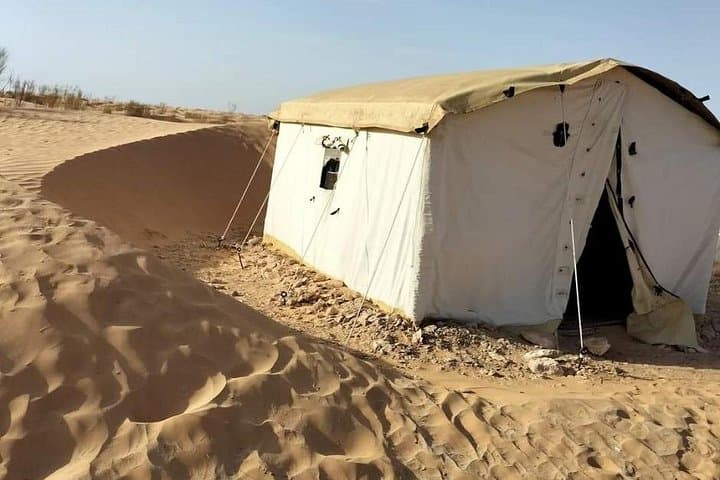
Accommodations mix 3–4 star hotels in Tozeur and local gîtes, plus one night in a traditional Bedouin-style desert camp with basic facilities and shared sleeping arrangements.
Yes — the itinerary includes guided visits to key sites like El Ghriba synagogue, ksars and museums; respectful dress and behavior are requested at religious locations.
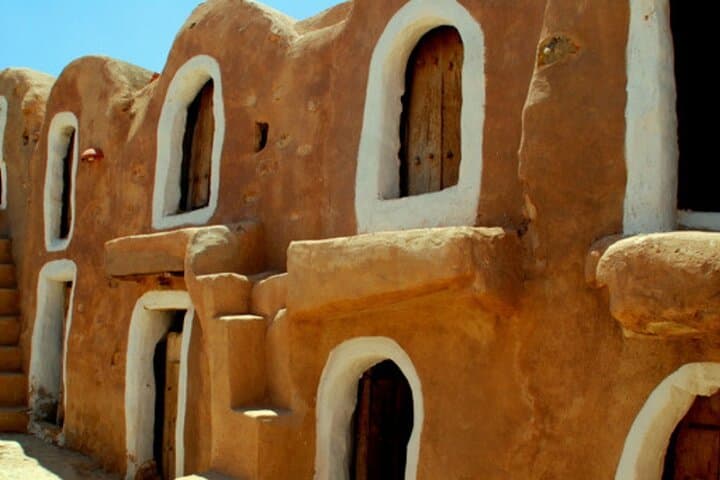
The region’s ksars and cave dwellings reflect centuries of Berber architecture adapted to aridity; Djerba also hosts the ancient El Ghriba synagogue, a long-standing Jewish pilgrimage site.
Water is scarce — minimize consumption, avoid leaving waste in oases or dunes, and use local guides who follow sustainable access practices.
TRAVEL EST TUNISIA operates guided outdoor trips and adventures with an emphasis on safety, stewardship, and memorable experiences.
The first light on Djerba’s low shore feels like a promise: fishing boats yawl against a calm sea while the road inland unfurls toward ochre dunes and palm-lined oases.
The first light on Djerba’s low shore feels like a promise: fishing boats yawl against a calm sea while the road inland unfurls toward ochre dunes and palm-lined oases.
By day two you’ll trade shoreline air for the mineral hush of the Chott el Jerid salt flats and the sculpted cliffs of Chebika and Mides, where canyons have been carved by rare torrents and wind over millennia. Villages like Matmata and Chenini map human adaptation to this arid geometry — cave homes and ksars that keep summer heat at bay and store grain against raids from a far older era. Djerba itself carries a layered history: Phoenicians, Romans, Berbers and a long-standing Jewish community centered on the ancient El Ghriba synagogue.
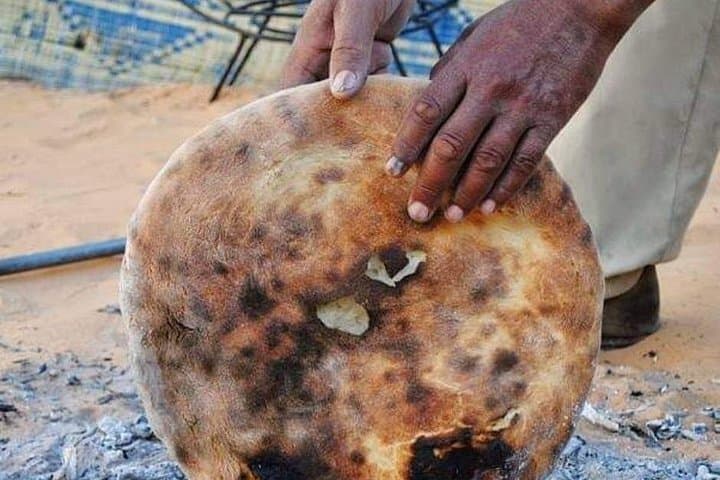
Geology here is blunt and honest: flat salt pans give way to dunes and folded sandstone, with abrupt palm oases fed by groundwater pockets. Culture is tactile — pottery spinning at Guellala, slow-cooked gargolette meals under shade, and Bedouin campfires where stories and mint tea mark the night.
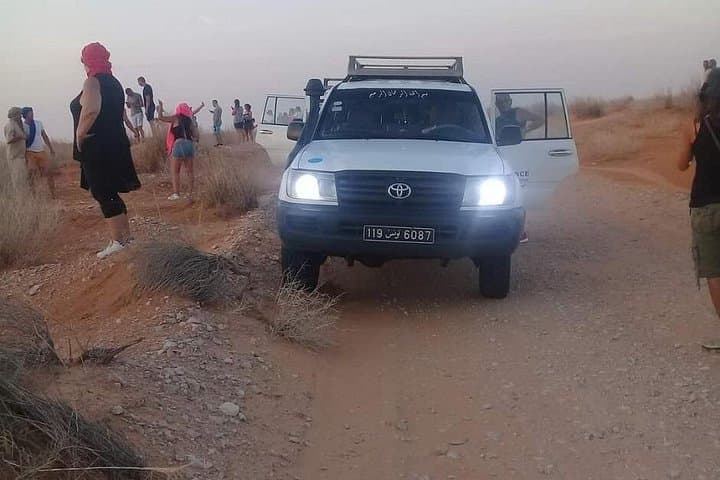
Practical guidance: expect long drives between sites (plan for 3–6 hours on some travel days), moderate walking across uneven canyon trails and sand, and a desert-camp night with basic comforts. Hydrate proactively, use high-SPF sun protection and sturdy shoes for rocky trails. Early starts give cooler hiking windows and the best light for photography; evenings grow cold so bring a warm layer. Respect private properties and religious sites, and carry local cash for small purchases — remote villages may not accept cards.
This route pairs cinematic landscapes with tangible cultural encounters: it’s a logistics-forward adventure that rewards curiosity and a readiness for travel over varied terrain.