THE ADVENTURE COLLECTIVE® · Independent discovery and booking for outdoor travel

Drive from Cairo into palm-ringed Siwa, float in salt lakes, explore Bahariya’s Black Desert and camp beneath the chalk formations of the White Desert. This five-day itinerary blends archaeology, geology and overnight desert camping with local Siwan culture.
Drive from Cairo into palm-ringed Siwa, float in salt lakes, explore Bahariya’s Black Desert and camp beneath the chalk formations of the White Desert. This five-day itinerary blends archaeology, geology and overnight desert camping with local Siwan culture.
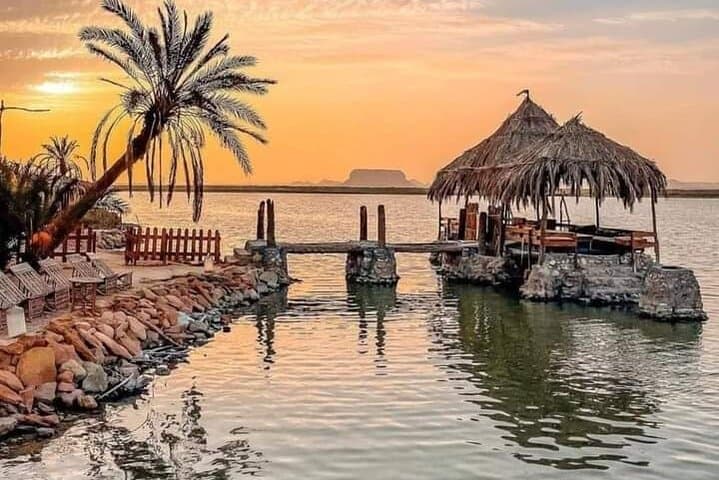
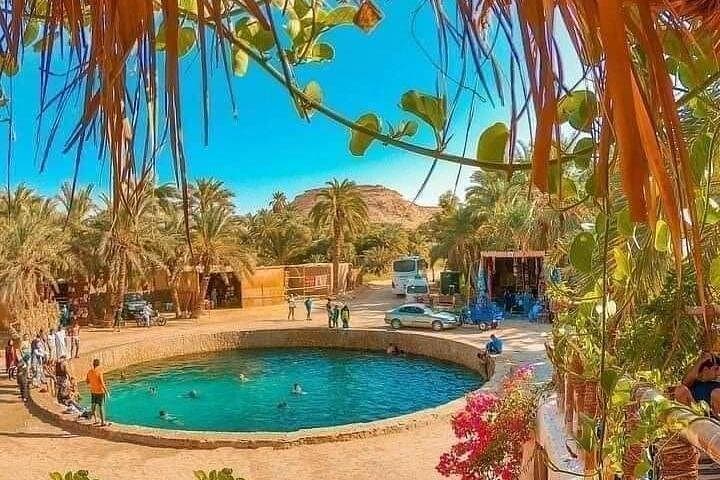
A predawn road from Cairo loosens the city’s heat as the asphalt narrows and the horizon flattens into Sahara. By midday the car slips past palm orchards and salt pans; by late afternoon, Siwa’s sun-bleached houses and date-lined lanes feel like a different world. Nights are spent under canvas in the White Desert, where wind-sculpted chalk towers become sculptures against a star-saturated sky.
Verified experiences and guided adventures in the surrounding area.
Operated by Tamer Safari · Siwa Oasis, Matrouh Governorate
A predawn road from Cairo loosens the city’s heat as the asphalt narrows and the horizon flattens into Sahara. By midday the car slips past palm orchards and salt pans; by late afternoon, Siwa’s sun-bleached houses and date-lined lanes feel like a different world. Nights are spent under canvas in the White Desert, where wind-sculpted chalk towers become sculptures against a star-saturated sky.
This route threads classical history with raw geology. Siwa’s Temple of Amun and the Mountain of the Dead hold Pharaonic and Greco-Roman traces — Alexander the Great’s visit to the oracle is the best-known legend. Bahariya’s Black Desert reveals basaltic remnants of ancient volcanism; nearby Crystal Mountain bristles with quartz and gypsum that glitter in high sun. The White Desert’s mushroom-like limestone and chalk formations are wind-carved monuments of erosion, offering surreal daylight hikes and unforgettable dawns.
Culturally, Siwa preserves Amazigh (Siwan) language and handicrafts; markets trade dates, olives and handmade goods. Practicalities matter: long drives (up to 8–10 hours between major pivots), desert temperatures that swing dramatically, and minimal infrastructure in remote stretches. The tour typically uses private AC transport, 4x4s for off-road legs, and guided camping with provided gear.
Pack layered clothing, sun protection, ample water and a small daypack for short hikes. Move deliberately on soft sand and fragile limestone edges, respect local customs in Siwa, and leave no trace at campsites — the desert’s fragile crust and limited water resources require low-impact travel.
moderate.
4–5 days.
Suitable for travelers in good general health who can handle several hours of walking on uneven sand and short hikes; long vehicle transfers require tolerance for sitting.
The tour is rated moderate overall—most days involve driving with short walks or hikes to viewpoints; basic mobility is sufficient.
Yes—guided tours provide 4x4 support, tents, sleeping mats and camp meals; expect basic but comfortable desert camping conditions.
Yes—you can float easily due to high salinity, but swimming vigorously is difficult; rinse off freshwater when available to remove salt.
Many operators accept families and older travelers if they can tolerate long drives and simple camping; check age limits and mobility needs with the operator.
Siwa was a strategic Oracle center in antiquity—Alexander the Great famously consulted Amun there; Bahariya and the White Desert preserve Pharaonic to Roman-era archaeological traces and striking geological records.
The desert’s biological soil crust and limited water mean camps must practice leave-no-trace; support local communities by buying Siwan products and avoiding single-use plastics.
Tamer Safari operates guided outdoor trips and adventures with an emphasis on safety, stewardship, and memorable experiences.


A predawn road from Cairo loosens the city’s heat as the asphalt narrows and the horizon flattens into Sahara. By midday the car slips past palm orchards and salt pans; by late afternoon, Siwa’s sun-bleached houses and date-lined lanes feel like a different world. Nights are spent under canvas in the White Desert, where wind-sculpted chalk towers become sculptures against a star-saturated sky.
A predawn road from Cairo loosens the city’s heat as the asphalt narrows and the horizon flattens into Sahara. By midday the car slips past palm orchards and salt pans; by late afternoon, Siwa’s sun-bleached houses and date-lined lanes feel like a different world. Nights are spent under canvas in the White Desert, where wind-sculpted chalk towers become sculptures against a star-saturated sky.
This route threads classical history with raw geology. Siwa’s Temple of Amun and the Mountain of the Dead hold Pharaonic and Greco-Roman traces — Alexander the Great’s visit to the oracle is the best-known legend. Bahariya’s Black Desert reveals basaltic remnants of ancient volcanism; nearby Crystal Mountain bristles with quartz and gypsum that glitter in high sun. The White Desert’s mushroom-like limestone and chalk formations are wind-carved monuments of erosion, offering surreal daylight hikes and unforgettable dawns.
Culturally, Siwa preserves Amazigh (Siwan) language and handicrafts; markets trade dates, olives and handmade goods. Practicalities matter: long drives (up to 8–10 hours between major pivots), desert temperatures that swing dramatically, and minimal infrastructure in remote stretches. The tour typically uses private AC transport, 4x4s for off-road legs, and guided camping with provided gear.
Pack layered clothing, sun protection, ample water and a small daypack for short hikes. Move deliberately on soft sand and fragile limestone edges, respect local customs in Siwa, and leave no trace at campsites — the desert’s fragile crust and limited water resources require low-impact travel.