THE ADVENTURE COLLECTIVE® · Independent discovery and booking for outdoor travel

A five‑day traverse from Sirimon to Chogoria brings hikers from montane forest to an early‑morning summit of Point Lenana (4,985 m). Expect steep ascents, high‑altitude weather swings, and an essential acclimatization day at Shipton Camp.
A five‑day traverse from Sirimon to Chogoria brings hikers from montane forest to an early‑morning summit of Point Lenana (4,985 m). Expect steep ascents, high‑altitude weather swings, and an essential acclimatization day at Shipton Camp.
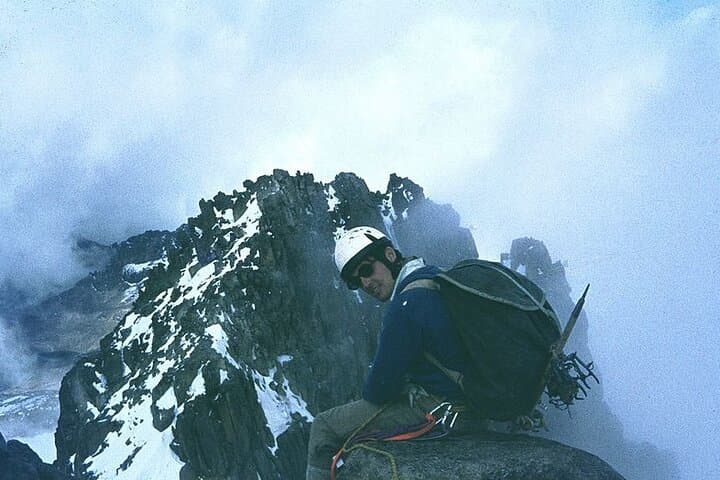
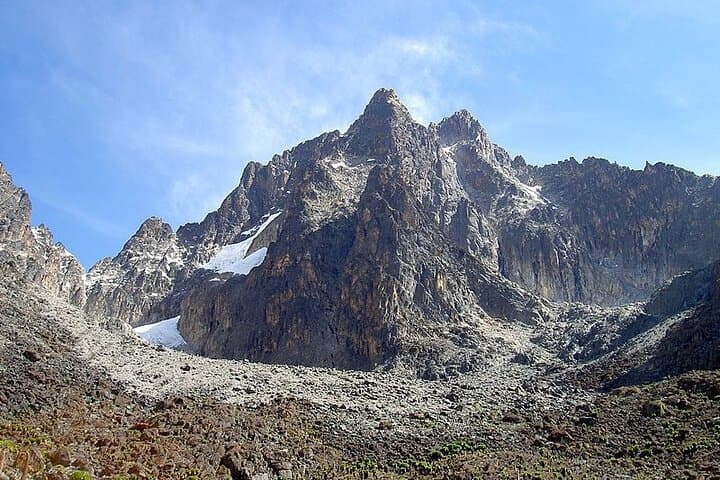
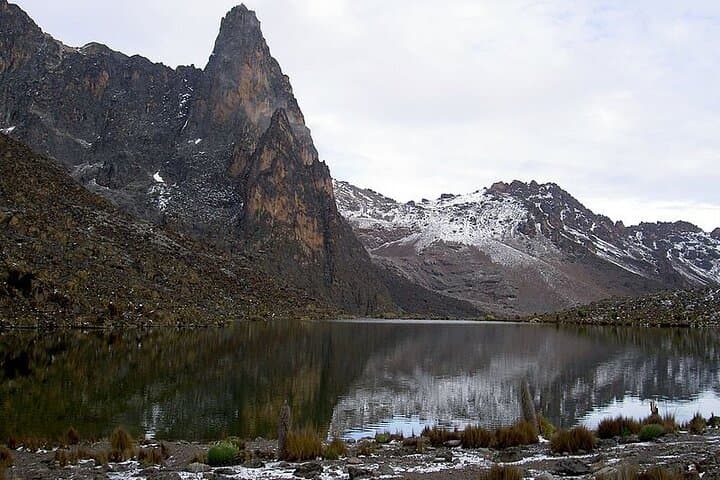
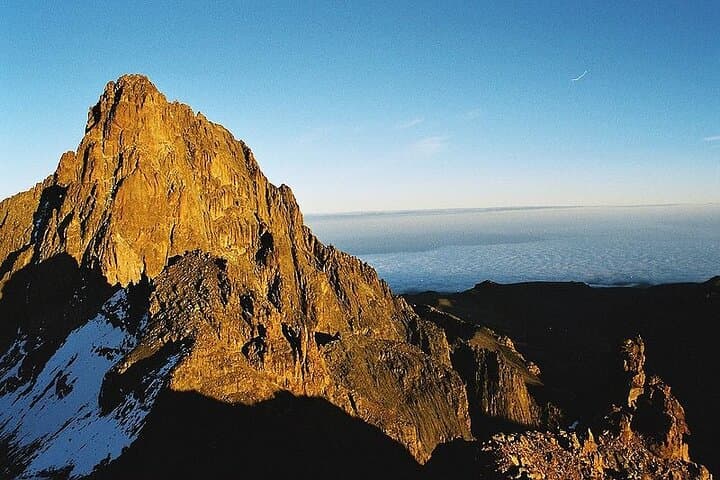
Dawn on Mt Kenya begins with a cool, dry hush—headlamps bob as a narrow trail threads through high forest, then opens to heather and moorland where wind chisels the silhouette of jagged peaks. On this five‑day Sirimon–Chogoria route, trekkers move from tree line to tarns and finally to Point Lenana (4,985 m), watching the high ridges ignite at sunrise.
Verified experiences and guided adventures in the surrounding area.
Operated by Grayton Expeditions · Nanyuki, Laikipia County
Dawn on Mt Kenya begins with a cool, dry hush—headlamps bob as a narrow trail threads through high forest, then opens to heather and moorland where wind chisels the silhouette of jagged peaks. On this five‑day Sirimon–Chogoria route, trekkers move from tree line to tarns and finally to Point Lenana (4,985 m), watching the high ridges ignite at sunrise.
Geology here is blunt and primal: an eroded shield volcano whose central peaks—Batian, Nelion and Lenana—rise from a ring of steep cliffs. The massif feeds montane forest and alpine moor with endemic flora such as giant lobelia and senecio. Culturally, the slopes sit in the traditional lands of Kikuyu and Maasai communities; colonial-era maps fixed the mountain’s modern place name and many routes were surveyed during early 20th‑century expeditions.
Expect long uphill days (Sirimon Gate 2,440 m to Judmier 3,300 m; Shipton Camp 4,200 m; Lenana 4,985 m) over a mix of packed trail, rocky traversal and steep scree. The summit push is an early, steep pre‑dawn scramble—about 3 hours from Shipton—rewarding photographers and acclimatized hikers alike. Weather turns fast: wind and freezing temperatures above 4,000 m, afternoons often clear in the dry season but wet during the March–May long rains.
Practical guidance: train with sustained uphill hikes and carry layered insulation, waterproof shell and a reliable headlamp for the summit bid. Hydrate deliberately and use the program’s acclimatization day at Shipton Camp to reduce altitude risk. Most camps are basic; expect simple sleeping huts or tents, guided logistics, and a climb certificate at the finish. With good preparation this route is a high‑altitude trek—not technical—but reverent of weather, fitness and mountain etiquette.
challenging.
5 days.
Requires a high level of cardiovascular fitness and experience with multi‑day backpacking and sustained uphill hiking.
No technical climbing is required for Point Lenana; it’s a strenuous high‑altitude trek. Prior multi‑day hiking experience and good fitness are recommended.
Climbers must pay Mount Kenya National Park entry and camping/hut fees; guides or operators typically handle permits—confirm cost and inclusion before booking.
Altitude sickness is a real risk; the itinerary includes an acclimatization day at Shipton Camp and gradual ascent—know symptoms, ascend slowly, and descend if they worsen.
Camps and huts are basic but clean. Expect simple sleeping arrangements and shared facilities; bring a warm sleeping bag and personal items.
Mount Kenya has long cultural significance to local Kikuyu and Maasai communities; the central peaks were later named and mapped during colonial exploration and early mountaineering expeditions.
Mount Kenya is a protected National Park and UNESCO Biosphere Reserve; visitors are encouraged to follow Leave No Trace practices and use established campsites to limit erosion and waste.
Grayton Expeditions operates guided outdoor trips and adventures with an emphasis on safety, stewardship, and memorable experiences.
Dawn on Mt Kenya begins with a cool, dry hush—headlamps bob as a narrow trail threads through high forest, then opens to heather and moorland where wind chisels the silhouette of jagged peaks. On this five‑day Sirimon–Chogoria route, trekkers move from tree line to tarns and finally to Point Lenana (4,985 m), watching the high ridges ignite at sunrise.
Dawn on Mt Kenya begins with a cool, dry hush—headlamps bob as a narrow trail threads through high forest, then opens to heather and moorland where wind chisels the silhouette of jagged peaks. On this five‑day Sirimon–Chogoria route, trekkers move from tree line to tarns and finally to Point Lenana (4,985 m), watching the high ridges ignite at sunrise.
Geology here is blunt and primal: an eroded shield volcano whose central peaks—Batian, Nelion and Lenana—rise from a ring of steep cliffs. The massif feeds montane forest and alpine moor with endemic flora such as giant lobelia and senecio. Culturally, the slopes sit in the traditional lands of Kikuyu and Maasai communities; colonial-era maps fixed the mountain’s modern place name and many routes were surveyed during early 20th‑century expeditions.
Expect long uphill days (Sirimon Gate 2,440 m to Judmier 3,300 m; Shipton Camp 4,200 m; Lenana 4,985 m) over a mix of packed trail, rocky traversal and steep scree. The summit push is an early, steep pre‑dawn scramble—about 3 hours from Shipton—rewarding photographers and acclimatized hikers alike. Weather turns fast: wind and freezing temperatures above 4,000 m, afternoons often clear in the dry season but wet during the March–May long rains.
Practical guidance: train with sustained uphill hikes and carry layered insulation, waterproof shell and a reliable headlamp for the summit bid. Hydrate deliberately and use the program’s acclimatization day at Shipton Camp to reduce altitude risk. Most camps are basic; expect simple sleeping huts or tents, guided logistics, and a climb certificate at the finish. With good preparation this route is a high‑altitude trek—not technical—but reverent of weather, fitness and mountain etiquette.