THE ADVENTURE COLLECTIVE® · Independent discovery and booking for outdoor travel

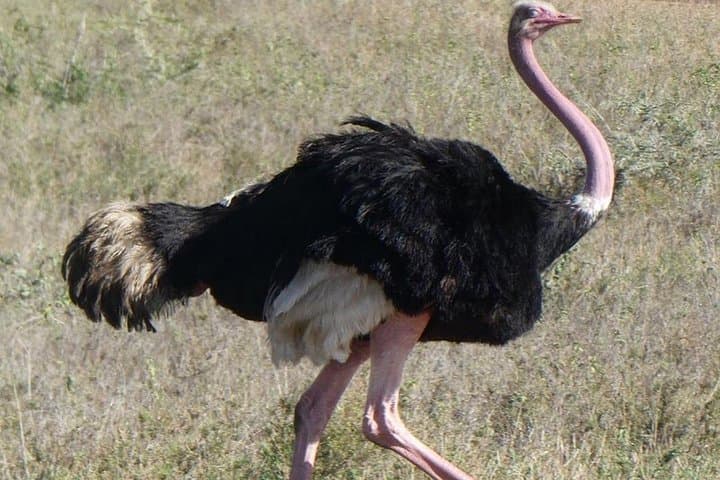
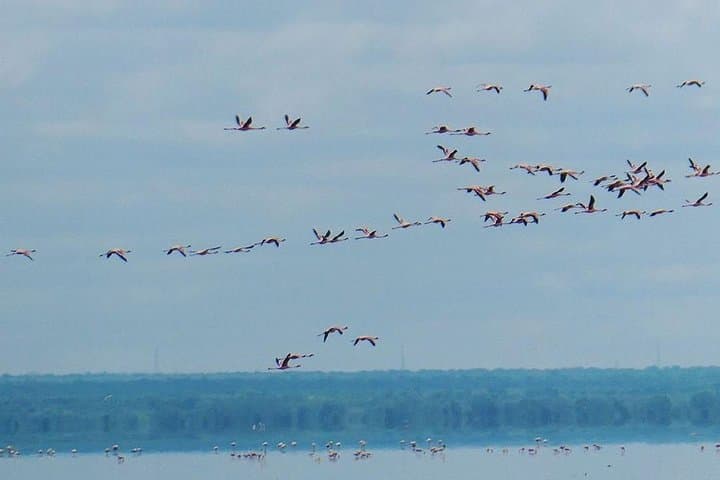
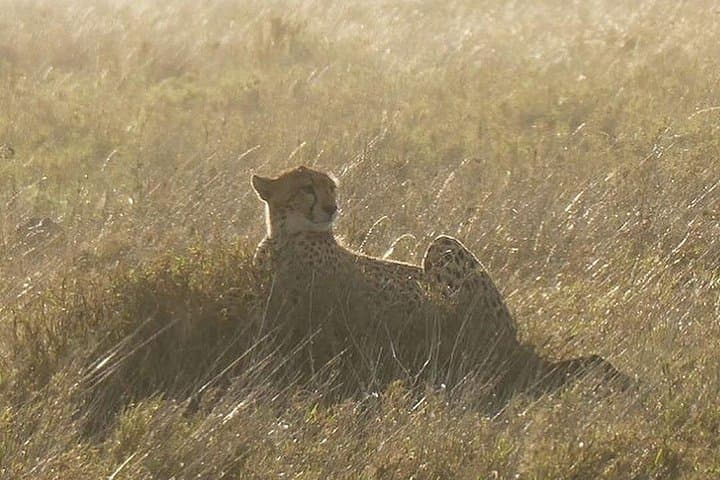
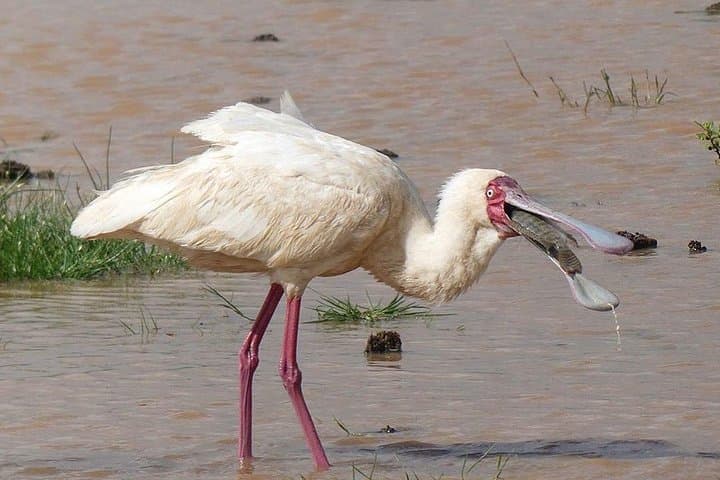
A compact five-day loop through the Serengeti and Ngorongoro that puts you alongside the Great Wildebeest Migration. Early mornings, long game drives and close-up wildlife viewing make this trip a high-return safari for photographers and nature lovers.
A compact five-day loop through the Serengeti and Ngorongoro that puts you alongside the Great Wildebeest Migration. Early mornings, long game drives and close-up wildlife viewing make this trip a high-return safari for photographers and nature lovers.
You arrive before dawn, the Land Cruiser's engine low against a sky brightening from indigo to copper.
Dawn mist lifts off the grassy plains and the first wildebeest silhouettes move like a breathing ridge across the horizon — the migration is both choreography and chaos, animals testing the distance between hunger and safety.
Verified experiences and guided adventures in the surrounding area.
Operated by Kilinge Adventures · Seronera, Mara Region
You arrive before dawn, the Land Cruiser's engine low against a sky brightening from indigo to copper.
Dawn mist lifts off the grassy plains and the first wildebeest silhouettes move like a breathing ridge across the horizon — the migration is both choreography and chaos, animals testing the distance between hunger and safety.
The Serengeti sits on ancient volcanic bedrock that tilts gently northward, creating broad, flat plains interrupted by kopjes — rock islands that offer panoramic vantage points. The park's soils and seasonal rains dictate the migration: the herd follows fresh grass from the southern short-grass plains north toward the Mara River from May through July. Nearby Ngorongoro is a different story — a collapsed volcanic caldera with steep rims (roughly 2,200–2,400 m elevation) that concentrates wildlife into a compact, photographic arena.
Culturally, local Maasai communities maintain semi-nomadic pastoral traditions and often coexist with wildlife corridors; guides will explain land-use patterns and grazing rights during the drives.
Practical guidance: expect long days in a 4x4 with pop-up roof viewing, bumpy dirt tracks, early starts (pre-dawn), and altitudes up to ~2,400 m at Ngorongoro. Bring layered clothing for chilly mornings, a good pair of binoculars, sun protection, and motion-sickness remedies. Hydrate — the guides supply bottled water but carry a refillable bottle. Respect vehicle boundaries, follow your guide's instructions near large animals, and plan for dusty conditions on dry-season drives.
This five-day loop — Serengeti game drives and a morning in Ngorongoro Crater — is compact, wildlife-rich, and designed for photographic opportunities without strenuous hiking.
easy.
5 days (approx. 120 hours).
Suitable for travelers of most fitness levels; you should be able to get in/out of a 4x4, sit for several hours, and handle short walks on uneven ground.
The migration moves seasonally; large river crossings in northern Serengeti/Mara typically occur May–July, while the southern Serengeti hosts calving in December–February.
Vehicles are stable and guided, but safety depends on mobility — transfers in/out of the vehicle and long hours may be tiring; check age and health restrictions with the operator.
Consult a travel clinic for up-to-date recommendations; malaria prophylaxis is commonly advised for Serengeti and Ngorongoro visits, along with routine vaccinations.
Space in safari vehicles is limited; a compact kit (one DSLR or mirrorless body, a 70–200mm or 100–400mm lens, and binoculars) balances flexibility with storage constraints.
The Serengeti ecosystem has supported pastoralists and wildlife for millennia; the name comes from the Maasai word 'Siringet' meaning ‘endless plains.’
Conservation efforts focus on maintaining migration corridors and community-based conservation with Maasai land-use agreements; visitors help by following park rules and supporting local guides.
Kilinge Adventures operates guided outdoor trips and adventures with an emphasis on safety, stewardship, and memorable experiences.
You arrive before dawn, the Land Cruiser's engine low against a sky brightening from indigo to copper.
Dawn mist lifts off the grassy plains and the first wildebeest silhouettes move like a breathing ridge across the horizon — the migration is both choreography and chaos, animals testing the distance between hunger and safety.
You arrive before dawn, the Land Cruiser's engine low against a sky brightening from indigo to copper.
Dawn mist lifts off the grassy plains and the first wildebeest silhouettes move like a breathing ridge across the horizon — the migration is both choreography and chaos, animals testing the distance between hunger and safety.
The Serengeti sits on ancient volcanic bedrock that tilts gently northward, creating broad, flat plains interrupted by kopjes — rock islands that offer panoramic vantage points. The park's soils and seasonal rains dictate the migration: the herd follows fresh grass from the southern short-grass plains north toward the Mara River from May through July. Nearby Ngorongoro is a different story — a collapsed volcanic caldera with steep rims (roughly 2,200–2,400 m elevation) that concentrates wildlife into a compact, photographic arena.
Culturally, local Maasai communities maintain semi-nomadic pastoral traditions and often coexist with wildlife corridors; guides will explain land-use patterns and grazing rights during the drives.
Practical guidance: expect long days in a 4x4 with pop-up roof viewing, bumpy dirt tracks, early starts (pre-dawn), and altitudes up to ~2,400 m at Ngorongoro. Bring layered clothing for chilly mornings, a good pair of binoculars, sun protection, and motion-sickness remedies. Hydrate — the guides supply bottled water but carry a refillable bottle. Respect vehicle boundaries, follow your guide's instructions near large animals, and plan for dusty conditions on dry-season drives.
This five-day loop — Serengeti game drives and a morning in Ngorongoro Crater — is compact, wildlife-rich, and designed for photographic opportunities without strenuous hiking.