THE ADVENTURE COLLECTIVE® · Independent discovery and booking for outdoor travel

A compact five-day loop from Belgrade that pairs Novi Sad’s riverside history and Sremski Karlovci wine culture with the raw karst of Tara National Park, the Sargan 8 heritage railway and the dramatic Uvac Canyon. Expect fortress views, medieval monasteries and engineered railways amid steep limestone gorges.
A compact five-day loop from Belgrade that pairs Novi Sad’s riverside history and Sremski Karlovci wine culture with the raw karst of Tara National Park, the Sargan 8 heritage railway and the dramatic Uvac Canyon. Expect fortress views, medieval monasteries and engineered railways amid steep limestone gorges.
The minivan eases out of Belgrade at dawn and the city’s edges slip away as the road climbs toward rolling vineyards and the fortified silhouette of Petrovaradin appears above the Danube. By midday the group is walking Novi Sad’s Liberty Square, then following the fortress ramparts where the river presses against older stone and the city spreads into the plain.
Verified experiences and guided adventures in the surrounding area.
Operated by Strange World Tour · Belgrade, Belgrade District
The minivan eases out of Belgrade at dawn and the city’s edges slip away as the road climbs toward rolling vineyards and the fortified silhouette of Petrovaradin appears above the Danube. By midday the group is walking Novi Sad’s Liberty Square, then following the fortress ramparts where the river presses against older stone and the city spreads into the plain.
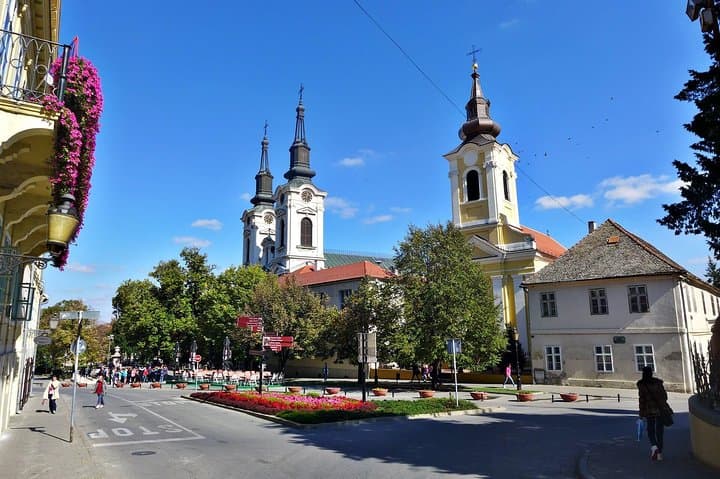
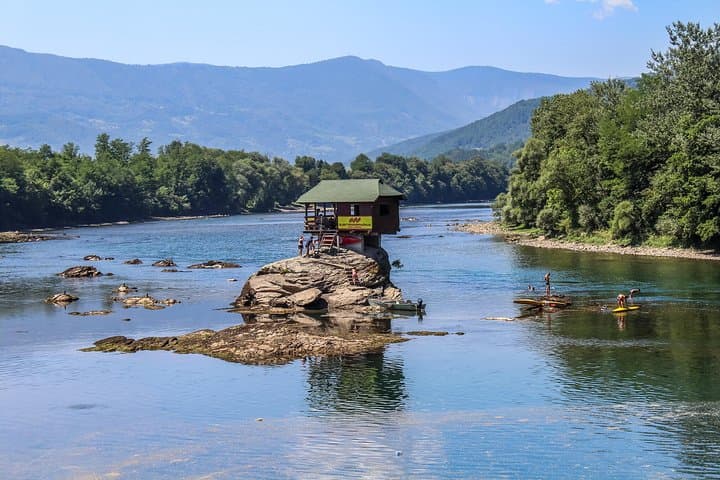
Over five days the itinerary threads cultural high points with raw karst landscapes: Sremski Karlovci’s wine cellars and Austro-Hungarian facades, the Drina River’s odd little house bravely perched on a rock, the fir-dark slopes of Tara National Park and the corkscrew turns of Uvac Canyon carved into limestone. The Sargan 8 heritage railway winds through 22 tunnels and ten bridges—an engineered echo of the Austro-Hungarian and later Yugoslav rail eras—while Studenica and Žiča monasteries anchor Serbia’s medieval Nemanjić legacy with frescoes and liturgical spaces.
Geology shifts from riverine gravel and sandstone near the Drina to steep limestone gorges in Uvac; expect sudden drops, step-cut viewpoints and abundant spring water. Culture here is quiet but tangible: monks still tend cloisters, winemakers open cellars, and local guides speak in practical, plain terms about history.
Practical angle: pack layers, waterproof footwear and a daypack; many stops involve short walks or uneven stone paths. Allow extra time for photography at viewpoints and for wine-tasting in Sremski Karlovci. Respect monastery dress codes (shoulders and knees covered) and follow park rules in Uvac to protect griffon vulture nesting areas. The route is best experienced from spring through early fall when roads and viewpoints are reliably open.
easy.
5 days.
Suitable for travelers in general good health who can manage short walks (10–60 minutes) over uneven ground
Daily drives range from 1–3 hours with frequent stops; the itinerary balances transit with walking tours and viewpoint time.
Most monastery visits are external or informal; any formal museum fees are usually paid on site and are not included by default.
Yes—this private tour is rated easy and suitable for family groups, though expect some short uneven walks and stairs at heritage sites.
Yes—stops in Sremski Karlovci and selected villages include opportunities for cellar visits and meals, though some tastings may be extra.
The route stitches modern Novi Sad and Austro-Hungarian town planning to medieval Serbian power centers—Studenica and Žiča were central to the Nemanjić dynasty and Serbian Orthodox heritage.
Uvac and Tara are protected reserves where trails and viewpoints are managed to protect nesting birds and old-growth spruce; stick to marked trails and avoid feeding wildlife.
Strange World Tour operates guided outdoor trips and adventures with an emphasis on safety, stewardship, and memorable experiences.
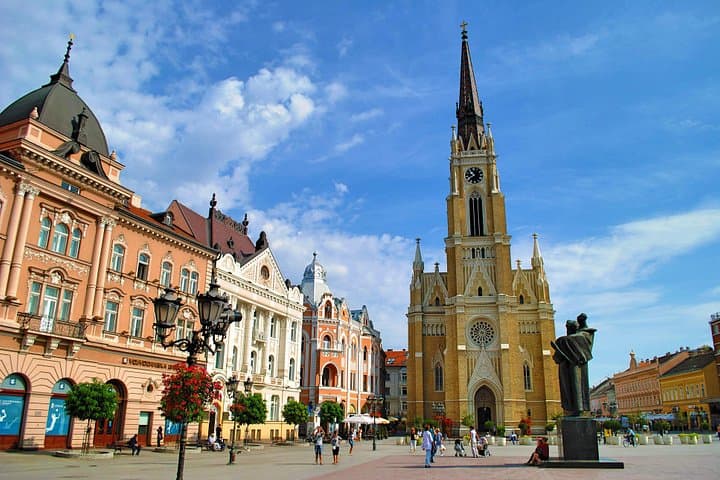
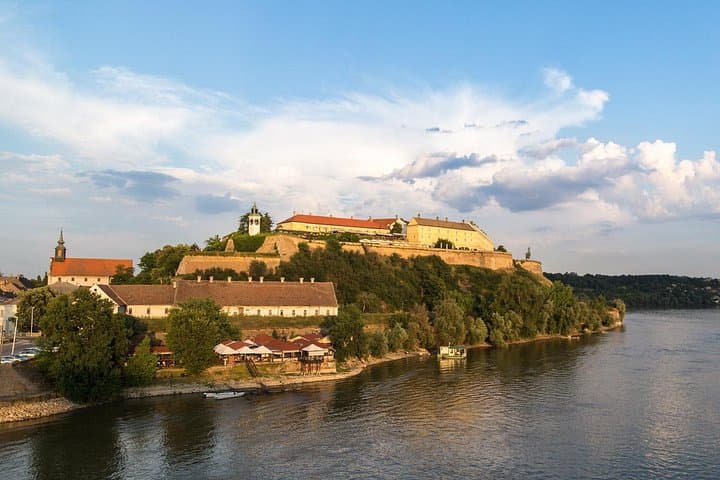
The minivan eases out of Belgrade at dawn and the city’s edges slip away as the road climbs toward rolling vineyards and the fortified silhouette of Petrovaradin appears above the Danube. By midday the group is walking Novi Sad’s Liberty Square, then following the fortress ramparts where the river presses against older stone and the city spreads into the plain.
The minivan eases out of Belgrade at dawn and the city’s edges slip away as the road climbs toward rolling vineyards and the fortified silhouette of Petrovaradin appears above the Danube. By midday the group is walking Novi Sad’s Liberty Square, then following the fortress ramparts where the river presses against older stone and the city spreads into the plain.
Over five days the itinerary threads cultural high points with raw karst landscapes: Sremski Karlovci’s wine cellars and Austro-Hungarian facades, the Drina River’s odd little house bravely perched on a rock, the fir-dark slopes of Tara National Park and the corkscrew turns of Uvac Canyon carved into limestone. The Sargan 8 heritage railway winds through 22 tunnels and ten bridges—an engineered echo of the Austro-Hungarian and later Yugoslav rail eras—while Studenica and Žiča monasteries anchor Serbia’s medieval Nemanjić legacy with frescoes and liturgical spaces.
Geology shifts from riverine gravel and sandstone near the Drina to steep limestone gorges in Uvac; expect sudden drops, step-cut viewpoints and abundant spring water. Culture here is quiet but tangible: monks still tend cloisters, winemakers open cellars, and local guides speak in practical, plain terms about history.
Practical angle: pack layers, waterproof footwear and a daypack; many stops involve short walks or uneven stone paths. Allow extra time for photography at viewpoints and for wine-tasting in Sremski Karlovci. Respect monastery dress codes (shoulders and knees covered) and follow park rules in Uvac to protect griffon vulture nesting areas. The route is best experienced from spring through early fall when roads and viewpoints are reliably open.