THE ADVENTURE COLLECTIVE® · Independent discovery and booking for outdoor travel

A five-day loop from Kampala through Queen Elizabeth National Park to Lake Bunyonyi, combining early-morning game drives and a Kazinga Channel boat cruise with a moderate hike to panoramic lake views. Expect close wildlife encounters, volcanic highland vistas and cultural island visits.
A five-day loop from Kampala through Queen Elizabeth National Park to Lake Bunyonyi, combining early-morning game drives and a Kazinga Channel boat cruise with a moderate hike to panoramic lake views. Expect close wildlife encounters, volcanic highland vistas and cultural island visits.
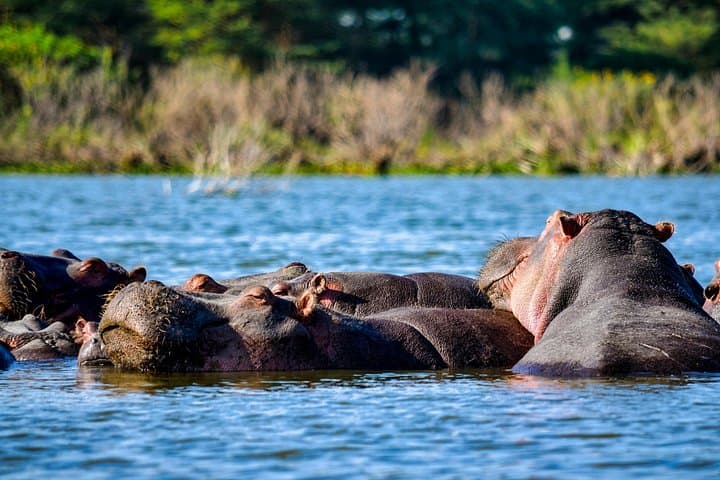
Morning light splits the savannah as you leave Kampala’s grid behind, the road opening to rolling tea terraces and distant volcanic ridgelines. On day one the landscape narrows into acacia-dotted plains; by day two you’re watching hippos yawn in the Kazinga Channel as African fish eagles wheel overhead.
Verified experiences and guided adventures in the surrounding area.
Operated by Bush craft Safaris · Kampala, Central Region
Morning light splits the savannah as you leave Kampala’s grid behind, the road opening to rolling tea terraces and distant volcanic ridgelines. On day one the landscape narrows into acacia-dotted plains; by day two you’re watching hippos yawn in the Kazinga Channel as African fish eagles wheel overhead.
Queen Elizabeth National Park was set aside in the mid-20th century and is shaped by rift-valley geology—crater lakes, faulted plateaus and the narrow Kazinga Channel that stitches two lakes together. Local communities around Kabale and Kasese maintain fishing and smallholder farming traditions; at Lake Bunyonyi, island histories—like the stories tied to Punishment Island—reflect cultural practices that predate modern tourism. Geologically the region is part of the Western Rift, with volcanic highlands offering sweeping viewpoints and cool microclimates.
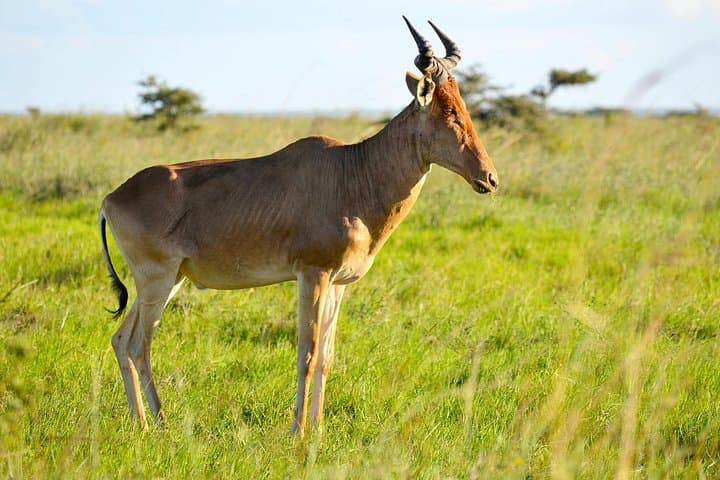
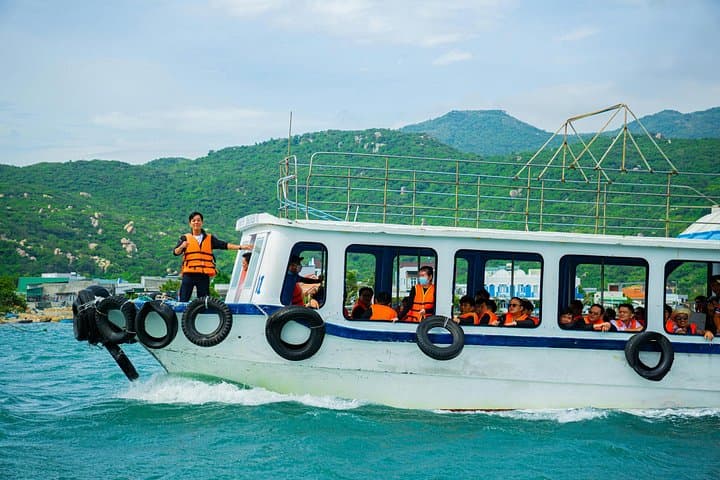
Expect two core wildlife experiences: an early-morning game drive across the Kasenyi plains that often produces elephants, kob and predators at dawn, and a Kazinga Channel boat cruise that puts you within meters of hippos and crocodiles. At Bunyonyi you’ll trade engines for paddles: a moderate hike to the “Top of the World” (roughly a few kilometers with several hundred meters of climbing, on uneven, often muddy tracks) rewards with volcano-framed lake views, then a calm boat tour around the islands.
Practical guidance: travel light, allow buffer time for rough roads, and carry layered rain gear—weather shifts quickly between lakes and plains. Hydrate, use sun protection on open drives, and bring binoculars for birding—the region is loud with life.
moderate.
5 days.
Suitable for travelers in regular fitness who can manage several hours of walking and 2–4 hours of seated travel per day; short hikes include uneven surfaces and stair-like climbs.
Travelers should consult a travel clinic for up-to-date recommendations; yellow fever vaccination and malaria prophylaxis are commonly advised for Uganda.
Lake Bunyonyi is generally bilharzia-free and many lodges permit swimming, but always check local guidance and avoid swimming near boat traffic or steep drop-offs.
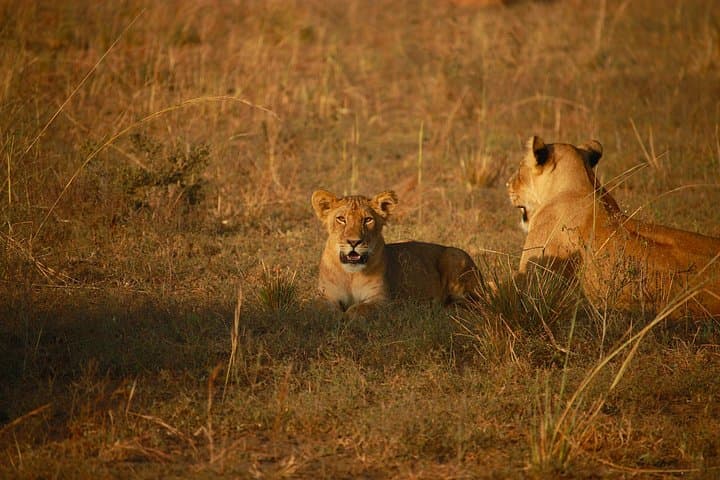
Tree-climbing lions are most frequently reported in the Ishasha sector of Queen Elizabeth NP; sightings are possible but not guaranteed—consult your guide for best chances.
Road conditions vary from paved highways to graded dirt roads; expect long transfer times and some bumpy sections—allow extra travel time between parks and lakes.
Queen Elizabeth National Park was established in the 1950s and protects diverse rift-valley landscapes and long-standing local livelihoods around its lakes and channels.
Tourism supports anti-poaching and community projects here, but pressure from agriculture and human-wildlife conflict remains—stick to designated trails and follow guide instructions to reduce impact.
Bush craft Safaris operates guided outdoor trips and adventures with an emphasis on safety, stewardship, and memorable experiences.
Morning light splits the savannah as you leave Kampala’s grid behind, the road opening to rolling tea terraces and distant volcanic ridgelines. On day one the landscape narrows into acacia-dotted plains; by day two you’re watching hippos yawn in the Kazinga Channel as African fish eagles wheel overhead.
Morning light splits the savannah as you leave Kampala’s grid behind, the road opening to rolling tea terraces and distant volcanic ridgelines. On day one the landscape narrows into acacia-dotted plains; by day two you’re watching hippos yawn in the Kazinga Channel as African fish eagles wheel overhead.
Queen Elizabeth National Park was set aside in the mid-20th century and is shaped by rift-valley geology—crater lakes, faulted plateaus and the narrow Kazinga Channel that stitches two lakes together. Local communities around Kabale and Kasese maintain fishing and smallholder farming traditions; at Lake Bunyonyi, island histories—like the stories tied to Punishment Island—reflect cultural practices that predate modern tourism. Geologically the region is part of the Western Rift, with volcanic highlands offering sweeping viewpoints and cool microclimates.
Expect two core wildlife experiences: an early-morning game drive across the Kasenyi plains that often produces elephants, kob and predators at dawn, and a Kazinga Channel boat cruise that puts you within meters of hippos and crocodiles. At Bunyonyi you’ll trade engines for paddles: a moderate hike to the “Top of the World” (roughly a few kilometers with several hundred meters of climbing, on uneven, often muddy tracks) rewards with volcano-framed lake views, then a calm boat tour around the islands.
Practical guidance: travel light, allow buffer time for rough roads, and carry layered rain gear—weather shifts quickly between lakes and plains. Hydrate, use sun protection on open drives, and bring binoculars for birding—the region is loud with life.