THE ADVENTURE COLLECTIVE® · Independent discovery and booking for outdoor travel

Drive the Road to the Clouds, stand on the Viaducto de la Polvorilla, cross the Salinas Grandes and raft Juramento River rapids—all in five days from Salta. Expect high-altitude roads, dramatic geology and guided Class II–III rafting.
Drive the Road to the Clouds, stand on the Viaducto de la Polvorilla, cross the Salinas Grandes and raft Juramento River rapids—all in five days from Salta. Expect high-altitude roads, dramatic geology and guided Class II–III rafting.
Morning light broadens across the Andean foothills as the convoy of SUVs rolls out of Salta, tires crunching over gravel that remembers the wheels of the Tren de las Nubes. On this five-day circuit the high plateau tests your breath while the river dares you into its canyon.
Verified experiences and guided adventures in the surrounding area.
Operated by Tangol · Salta, Salta
Morning light broadens across the Andean foothills as the convoy of SUVs rolls out of Salta, tires crunching over gravel that remembers the wheels of the Tren de las Nubes. On this five-day circuit the high plateau tests your breath while the river dares you into its canyon.
The route follows historic transport corridors carved in the 1920s, crossing the Viaducto de la Polvorilla and skirting the salt flats of Salinas Grandes — a white, crystalline expanse formed by millennia of evaporation on the Puna. Descents such as Cuesta de Lipán compress 2,000 meters of elevation into dramatic switchbacks; valleys below carry the agricultural pulse of the Lerma basin and villages where Quechua and criollo traditions meet.
Cultural notes: small towns like Purmamarca grow marketable peasant crafts and adobe architecture; archaeological sites near San Antonio de los Cobres preserve Atacameño ruins. Geology is immediate here — layered ochres and volcanic deltas give way to salt pans and canyon walls.
Practical guidance: acclimate the first day in Salta, carry sunscreen and a reusable bottle, and expect long vehicle transfers (up to 4–6 hours on day drives). Rafting on the Juramento River runs more than a dozen class II–III rapids; guides provide gear and instruction so prior experience isn’t required, but a moderate fitness level helps. Plan sturdy footwear for canyon walks and a warm layer for high-altitude mornings. Timing matters: travel in the dry season to avoid swollen river conditions and to keep the roads passable.
moderate.
5 days.
Moderate fitness: able to handle multi-hour vehicle transfers, short hikes, and active river paddling for sections.
No—guides provide instruction and life jackets; rapids are class II–III, suitable for beginners with moderate fitness.
Expect several long drives: day excursions can include 2–6 hour transfers between Salta, San Antonio de los Cobres and the Salinas Grandes.
Possibly—some sites exceed 3,000–4,200 m; allow a light day upon arrival, hydrate, and inform guides of any symptoms.
Most lunches and daily breakfasts are included; the itinerary features a traditional Argentine asado after the rafting day.
The Road to the Clouds parallels a 1920s railway project and ancient Andean trade routes; nearby ruins reflect Atacameño and pre-Inca habitation.
Stick to marked trails and avoid collecting salt or fossils on the Salinas Grandes; local operators promote low-impact river use and hire regional staff.
Tangol operates guided outdoor trips and adventures with an emphasis on safety, stewardship, and memorable experiences.
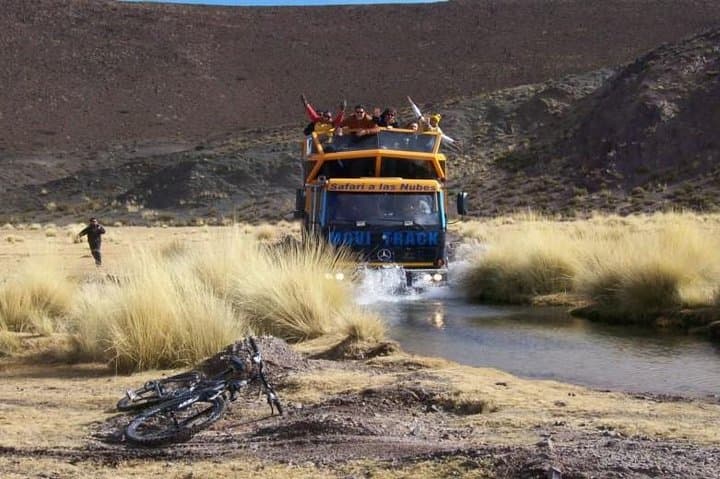
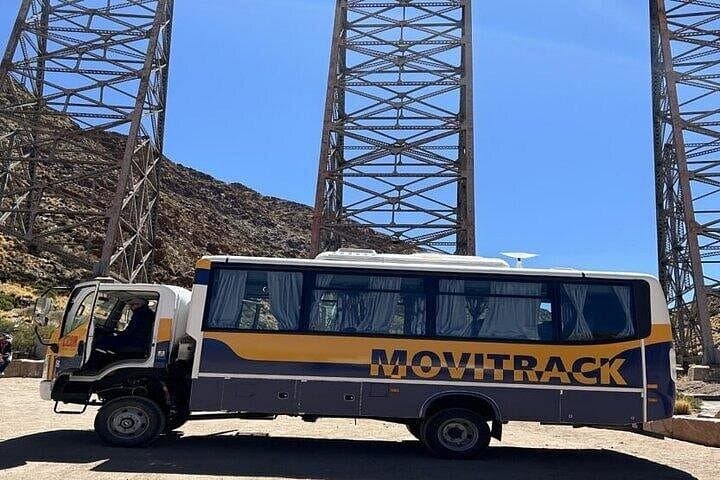
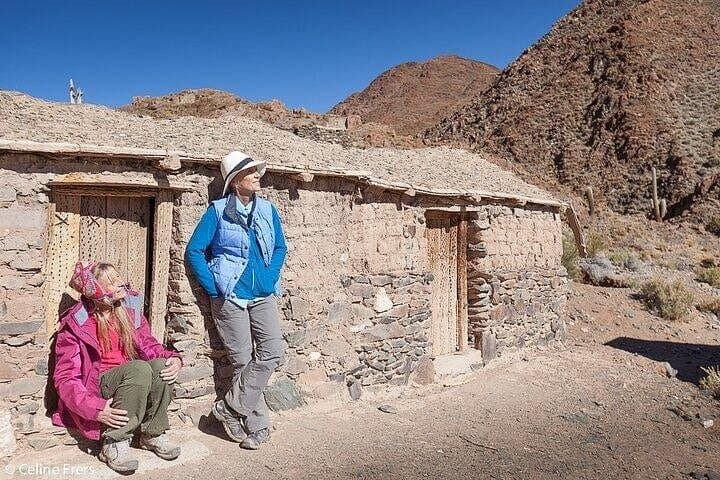
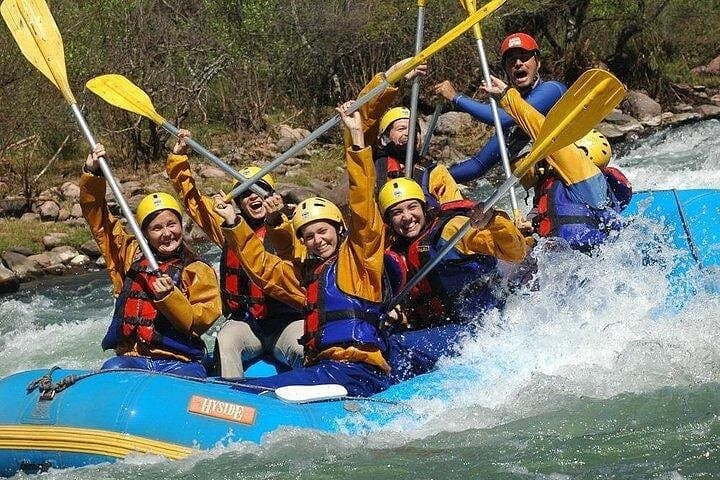
Morning light broadens across the Andean foothills as the convoy of SUVs rolls out of Salta, tires crunching over gravel that remembers the wheels of the Tren de las Nubes. On this five-day circuit the high plateau tests your breath while the river dares you into its canyon.
Morning light broadens across the Andean foothills as the convoy of SUVs rolls out of Salta, tires crunching over gravel that remembers the wheels of the Tren de las Nubes. On this five-day circuit the high plateau tests your breath while the river dares you into its canyon.
The route follows historic transport corridors carved in the 1920s, crossing the Viaducto de la Polvorilla and skirting the salt flats of Salinas Grandes — a white, crystalline expanse formed by millennia of evaporation on the Puna. Descents such as Cuesta de Lipán compress 2,000 meters of elevation into dramatic switchbacks; valleys below carry the agricultural pulse of the Lerma basin and villages where Quechua and criollo traditions meet.
Cultural notes: small towns like Purmamarca grow marketable peasant crafts and adobe architecture; archaeological sites near San Antonio de los Cobres preserve Atacameño ruins. Geology is immediate here — layered ochres and volcanic deltas give way to salt pans and canyon walls.
Practical guidance: acclimate the first day in Salta, carry sunscreen and a reusable bottle, and expect long vehicle transfers (up to 4–6 hours on day drives). Rafting on the Juramento River runs more than a dozen class II–III rapids; guides provide gear and instruction so prior experience isn’t required, but a moderate fitness level helps. Plan sturdy footwear for canyon walks and a warm layer for high-altitude mornings. Timing matters: travel in the dry season to avoid swollen river conditions and to keep the roads passable.