THE ADVENTURE COLLECTIVE® · Independent discovery and booking for outdoor travel

Trek five days from high Andean passes to the cloud forest and finish at Machu Picchu. This guide outlines terrain, cultural highlights, and practical preparation for the Salkantay route.
Trek five days from high Andean passes to the cloud forest and finish at Machu Picchu. This guide outlines terrain, cultural highlights, and practical preparation for the Salkantay route.
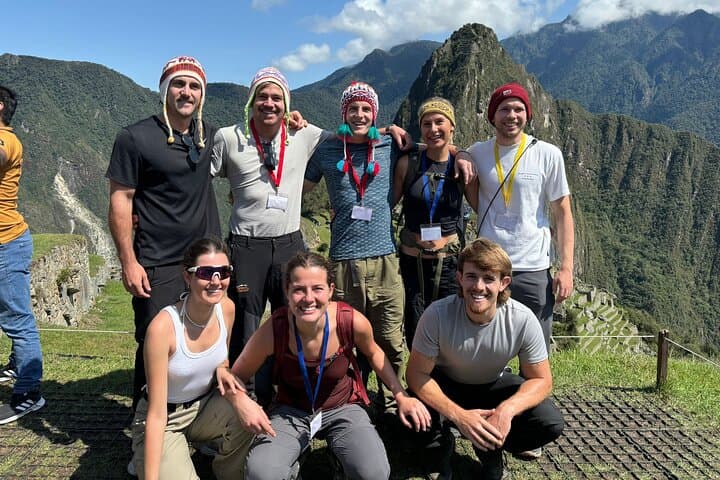
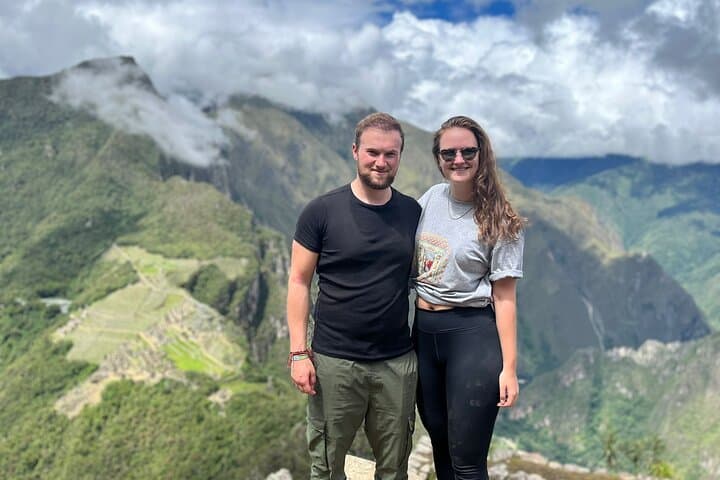
Dawn breaks over Cusco and the van slices through valley mist toward Mollepata; by midmorning the Andes press close, glaciers and serrated ridgelines watching every step. On this five‑day route, hikers climb from high puna to humid cloud forest, move through Inca foothills, and arrive at Machu Picchu with well-earned perspective.
Verified experiences and guided adventures in the surrounding area.
Operated by Peru Bucket List · Cusco, Cusco
Dawn breaks over Cusco and the van slices through valley mist toward Mollepata; by midmorning the Andes press close, glaciers and serrated ridgelines watching every step. On this five‑day route, hikers climb from high puna to humid cloud forest, move through Inca foothills, and arrive at Machu Picchu with well-earned perspective.
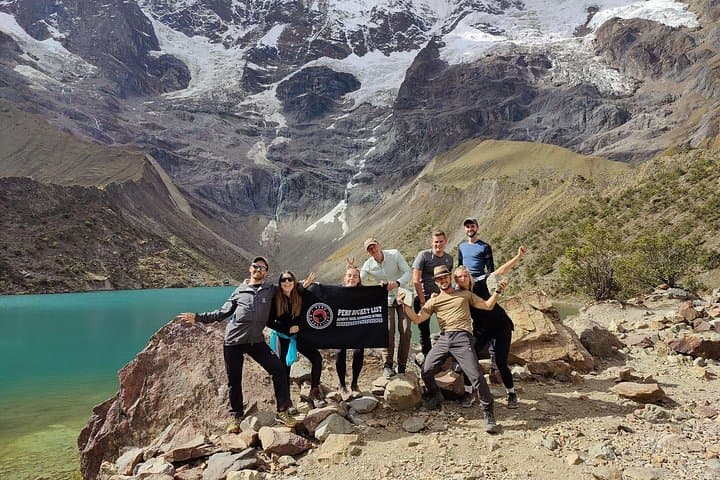
The trek traces dramatic geology: granitic peaks like Salkantay (≈4,650 m) carved by glaciers, steep moraine shoulders, then a descent into verdant, limestone‑lined cloud forest that favors orchids and coffee plantations. Humantay Lake’s startling turquoise sits in a glacial cirque, while Llactapata and other ruins reveal how Inca routes stitched mountain communities together. Cultural moments—coca tea at camp, village encounters, and Pachamama offerings—underscore Andean ritual and agrarian life.
Expect steep ascents (Salkantay Pass), long downhill sections, river crossings and warm, humid lower altitudes. Nights alternate between basic huts, shared tents and one hotel night in Aguas Calientes. Guides typically carry first‑aid and oxygen; groups are small and rhythms are camp‑to‑camp.
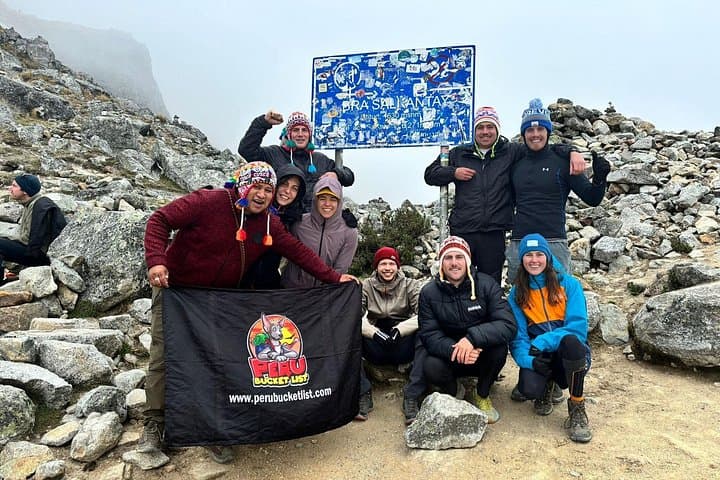
Practical side: acclimatize in Cusco 24–48 hours, carry layered insulation for subzero nights at high passes, and plan light, sturdy boots with good ankle support. Hydrate often—altitude and exertion amplify fluid needs—and use trekking poles for descents. Weather shifts fast: mornings can be crystalline and afternoons stormy. Arrive prepared, move deliberately, and the route rewards endurance with expansive mountain views, cloud‑forest biodiversity, and the sunrise reveal of Machu Picchu.
challenging.
40–50 hours.
Suitable for hikers with good cardiovascular fitness and experience on multi‑day high‑altitude treks; prepare with uphill and long‑day training.
Salkantay is longer and higher in places (Salkantay Pass ~4,650 m) with more varied terrain; it’s less trafficked but requires stronger endurance and acclimatization.
No special permit is required for the Salkantay route itself, but Machu Picchu entrance tickets are limited and must be booked in advance with passport details.
Expect shared little huts and tents on trekking nights, plus one shared hotel night in Aguas Calientes; upgrades may be available locally.
Guides carry first‑aid and oxygen; they’ll monitor symptoms and can arrange descent or medical evacuation if needed—inform them of prior conditions.
The route follows ancient Andean corridors connected to Inca settlements; Llactapata overlooks the Urubamba valley and served strategic observation roles.
High visitor pressure and fragile alpine ecosystems require Leave No Trace practices; stick to marked paths and avoid single‑use plastics where possible.
Peru Bucket List operates guided outdoor trips and adventures with an emphasis on safety, stewardship, and memorable experiences.
Dawn breaks over Cusco and the van slices through valley mist toward Mollepata; by midmorning the Andes press close, glaciers and serrated ridgelines watching every step. On this five‑day route, hikers climb from high puna to humid cloud forest, move through Inca foothills, and arrive at Machu Picchu with well-earned perspective.
Dawn breaks over Cusco and the van slices through valley mist toward Mollepata; by midmorning the Andes press close, glaciers and serrated ridgelines watching every step. On this five‑day route, hikers climb from high puna to humid cloud forest, move through Inca foothills, and arrive at Machu Picchu with well-earned perspective.
The trek traces dramatic geology: granitic peaks like Salkantay (≈4,650 m) carved by glaciers, steep moraine shoulders, then a descent into verdant, limestone‑lined cloud forest that favors orchids and coffee plantations. Humantay Lake’s startling turquoise sits in a glacial cirque, while Llactapata and other ruins reveal how Inca routes stitched mountain communities together. Cultural moments—coca tea at camp, village encounters, and Pachamama offerings—underscore Andean ritual and agrarian life.
Expect steep ascents (Salkantay Pass), long downhill sections, river crossings and warm, humid lower altitudes. Nights alternate between basic huts, shared tents and one hotel night in Aguas Calientes. Guides typically carry first‑aid and oxygen; groups are small and rhythms are camp‑to‑camp.
Practical side: acclimatize in Cusco 24–48 hours, carry layered insulation for subzero nights at high passes, and plan light, sturdy boots with good ankle support. Hydrate often—altitude and exertion amplify fluid needs—and use trekking poles for descents. Weather shifts fast: mornings can be crystalline and afternoons stormy. Arrive prepared, move deliberately, and the route rewards endurance with expansive mountain views, cloud‑forest biodiversity, and the sunrise reveal of Machu Picchu.