THE ADVENTURE COLLECTIVE® · Independent discovery and booking for outdoor travel

Trade highland winds for cloud-forest humidity on the 5-day Salkantay Trek, an altitudinal passage from glacial peaks to the gates of Machu Picchu. Expect long days, dramatic geology, and an immersive look at Quechua highland life.
Trade highland winds for cloud-forest humidity on the 5-day Salkantay Trek, an altitudinal passage from glacial peaks to the gates of Machu Picchu. Expect long days, dramatic geology, and an immersive look at Quechua highland life.
Pre-dawn in Cusco the bus bumps through Andean light, and the Salkantay massif first appears: a slab of ice and stone cutting the sky. You step off at Challacancha and the air tastes thin; the first climb takes you toward Soraypampa and the turquoise flash of Humantay Lake. Over five days the landscape changes like a film reel — glaciated passes, puna grasslands, then steep cloud forest where orchids and coffee plants lean toward the trail.
Verified experiences and guided adventures in the surrounding area.
Operated by Andean Great Treks · Cusco, Cusco Region
Pre-dawn in Cusco the bus bumps through Andean light, and the Salkantay massif first appears: a slab of ice and stone cutting the sky. You step off at Challacancha and the air tastes thin; the first climb takes you toward Soraypampa and the turquoise flash of Humantay Lake. Over five days the landscape changes like a film reel — glaciated passes, puna grasslands, then steep cloud forest where orchids and coffee plants lean toward the trail.
The route is an alternative Inca-era approach to Machu Picchu, tracing trade and pilgrimage corridors below the Salkantay (one of the region’s highest peaks). Geologically the trek crosses volcanic and granitic formations carved by glaciers, and culturally you’ll pass Quechua-speaking villages where traditional weaving and highland farming remain central.
Expect a high-altitude experience: the itinerary reaches Abra Salkantay at about 4,650 m (15,250 ft), with early mornings and long descents to camps at 3,900 m and later near 2,900 m. Days range from 3–6 hours of walking on mixed terrain — rocky passes, grassy plateaus, narrow jungle tracks and riverbeds toward Hydroelectric and Aguas Calientes.
Practical edge: acclimatize in Cusco for 48+ hours, pack warm layers and a reliable rain shell, and limit overnight pack weight to roughly 6 kg as provided mule transport is part of the service. The final morning is a guided visit to Machu Picchu; if you want Huayna Picchu or Machu Picchu Mountain, buy those permits early. Hydration, sun protection, and pacing on the Salkantay pass are the real trip-makers.
challenging.
5 days (total trek time ~30–40 hours).
Good aerobic fitness with experience on full-day hikes and high-altitude trekking; prior elevation exposure recommended
Not strictly, but previous exposure to elevations above 3,000 m and good cardiovascular fitness greatly reduce risk of altitude issues.
This package includes the Machu Picchu entry and the train ticket from Aguas Calientes to Ollantaytambo as listed; check your booking confirmation for specifics.
Yes — many operators offer hotel pickup and leave larger luggage in Cusco while you trek with a 6 kg personal bag carried by horses or mules.
This itinerary is not recommended for pregnant travelers or anyone with serious cardiovascular or spinal conditions due to altitude and sustained exertion.
The route mirrors older Andean pathways used by Quechua communities and later by travelers avoiding the busier Inca Trail to Machu Picchu.
Visitor numbers at Machu Picchu are regulated; follow park rules, pack out waste, and minimize single-use plastics to protect fragile highland and cloud-forest ecosystems.
Andean Great Treks operates guided outdoor trips and adventures with an emphasis on safety, stewardship, and memorable experiences.
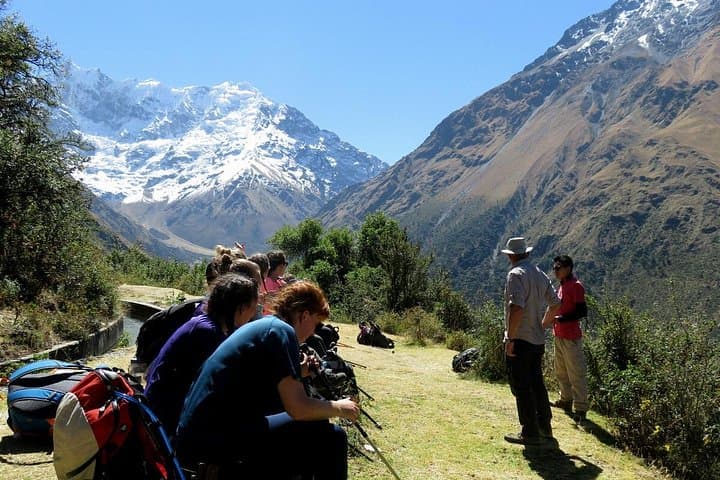
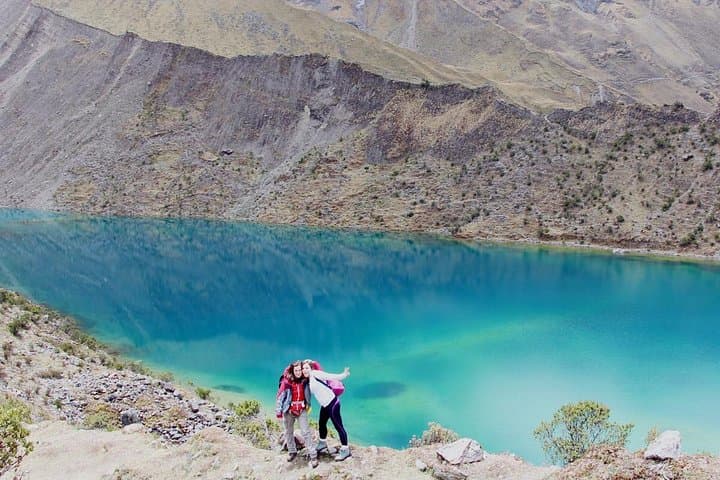
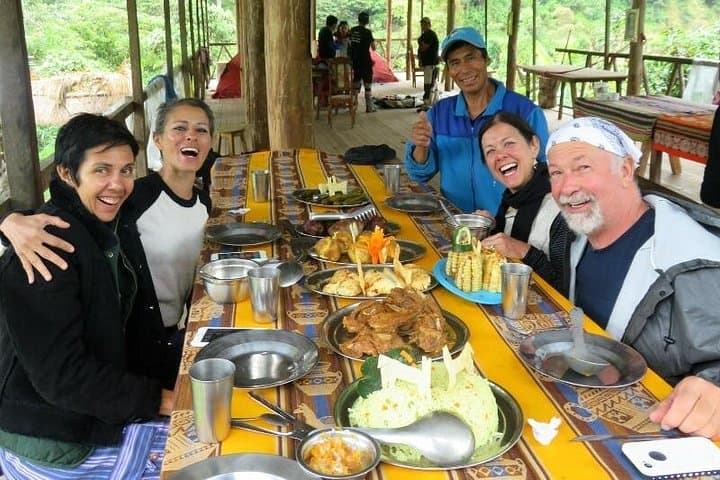
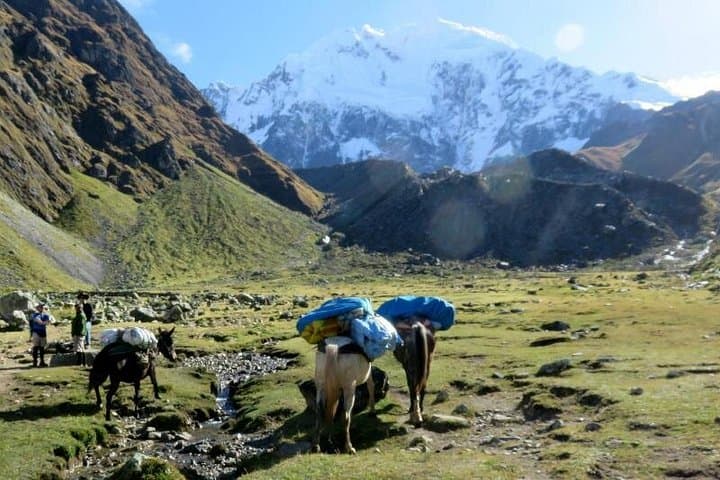
Pre-dawn in Cusco the bus bumps through Andean light, and the Salkantay massif first appears: a slab of ice and stone cutting the sky. You step off at Challacancha and the air tastes thin; the first climb takes you toward Soraypampa and the turquoise flash of Humantay Lake. Over five days the landscape changes like a film reel — glaciated passes, puna grasslands, then steep cloud forest where orchids and coffee plants lean toward the trail.
Pre-dawn in Cusco the bus bumps through Andean light, and the Salkantay massif first appears: a slab of ice and stone cutting the sky. You step off at Challacancha and the air tastes thin; the first climb takes you toward Soraypampa and the turquoise flash of Humantay Lake. Over five days the landscape changes like a film reel — glaciated passes, puna grasslands, then steep cloud forest where orchids and coffee plants lean toward the trail.
The route is an alternative Inca-era approach to Machu Picchu, tracing trade and pilgrimage corridors below the Salkantay (one of the region’s highest peaks). Geologically the trek crosses volcanic and granitic formations carved by glaciers, and culturally you’ll pass Quechua-speaking villages where traditional weaving and highland farming remain central.
Expect a high-altitude experience: the itinerary reaches Abra Salkantay at about 4,650 m (15,250 ft), with early mornings and long descents to camps at 3,900 m and later near 2,900 m. Days range from 3–6 hours of walking on mixed terrain — rocky passes, grassy plateaus, narrow jungle tracks and riverbeds toward Hydroelectric and Aguas Calientes.
Practical edge: acclimatize in Cusco for 48+ hours, pack warm layers and a reliable rain shell, and limit overnight pack weight to roughly 6 kg as provided mule transport is part of the service. The final morning is a guided visit to Machu Picchu; if you want Huayna Picchu or Machu Picchu Mountain, buy those permits early. Hydration, sun protection, and pacing on the Salkantay pass are the real trip-makers.