THE ADVENTURE COLLECTIVE® · Independent discovery and booking for outdoor travel

Leave Fes for a five-day crossing to Erg Chebbi, where camel treks, starry nights in Berber tents, and Gnawa music anchor the journey. This private tour balances long scenic drives with accessible desert walking and immersive cultural stops.
Leave Fes for a five-day crossing to Erg Chebbi, where camel treks, starry nights in Berber tents, and Gnawa music anchor the journey. This private tour balances long scenic drives with accessible desert walking and immersive cultural stops.
A late-afternoon sun slants across the sand as your convoy leaves Fes behind and the road straightens toward the eastern horizon. By dusk the Atlas foothills recede and the first low dunes rise — a soft, ochre rhythm that seems to breathe. On Day 3 you swap wheels for a camel’s patient sway, climbing a dune crest to watch sunset stain the ripples gold and purple.
Verified experiences and guided adventures in the surrounding area.
Operated by Morocco Kos Tours · Merzouga, Drâa-Tafilalet
A late-afternoon sun slants across the sand as your convoy leaves Fes behind and the road straightens toward the eastern horizon. By dusk the Atlas foothills recede and the first low dunes rise — a soft, ochre rhythm that seems to breathe. On Day 3 you swap wheels for a camel’s patient sway, climbing a dune crest to watch sunset stain the ripples gold and purple.
This route follows centuries-old caravan corridors where Berber tribes traded salt and saffron between the Rif and the Sahara. Geologically, Erg Chebbi is a classic star-dune sea: wind-formed ridges that migrate slowly season to season, creating textures that change with every gust. Culturally, evenings center on shared meals in desert camps and Gnawa music in nearby villages — an austere hospitality shaped by scarce water and long horizons.
Practical guidance: expect long driving days (Fes to Merzouga ≈ 7–8 hours total driving split over stages) and short, manageable camel treks at the dunes. Nights in traditional Berber tents are cold after sunset — bring warm layers and a reliable sleeping layer. Hydration is essential; carry 2–3 liters per day and replenish when you can. Footing on dunes is loose—sturdy shoes for approaches, light sandals for camp. Plan travel in shoulder seasons (spring/fall) to avoid extreme summer heat and winter cold.
Operated as a private, multi-day tour, this itinerary balances off-road scenery, cultural stops, and overnight desert camping. It’s ideal for travelers who want immersive desert nights without technical mountaineering — expect quiet dunes, star-strewn skies, and a steady rhythm of road, oasis, and sand.
moderate.
5 days.
Good for travelers comfortable with long vehicle transfers, short camel treks, and walking on loose sand; not physically technical.
Typical camel treks near Merzouga last 1–2 hours each way to the chosen camp area, timed for sunset or sunrise.
Tents are basic and unheated; most operators provide blankets and communal evening meals (dinner and breakfast included).
Yes—infants and small children can join and may ride in strollers or use infant seats, but check age and safety recommendations with the operator.
No technical fitness is required; participants should be comfortable with long vehicle travel, short camel rides, and walking on uneven sand.
The route traces historical trans-Saharan trade corridors used by Berber and Arab caravans; Merzouga grew as a stopping point where water and shelter were available.
Water is scarce and fragile dune ecosystems recover slowly from disturbance; stick to established camel paths and use local, licensed camps to minimize impact.
Morocco Kos Tours operates guided outdoor trips and adventures with an emphasis on safety, stewardship, and memorable experiences.
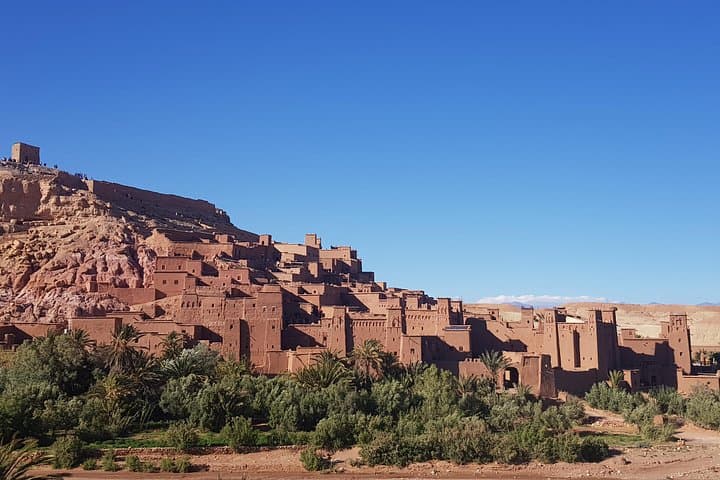
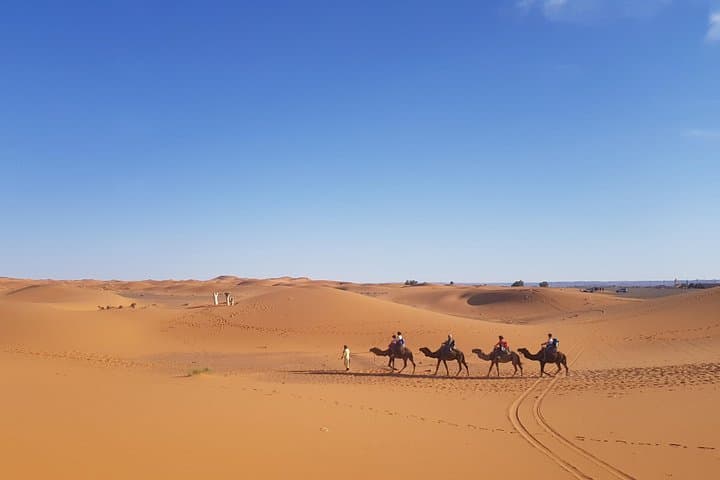
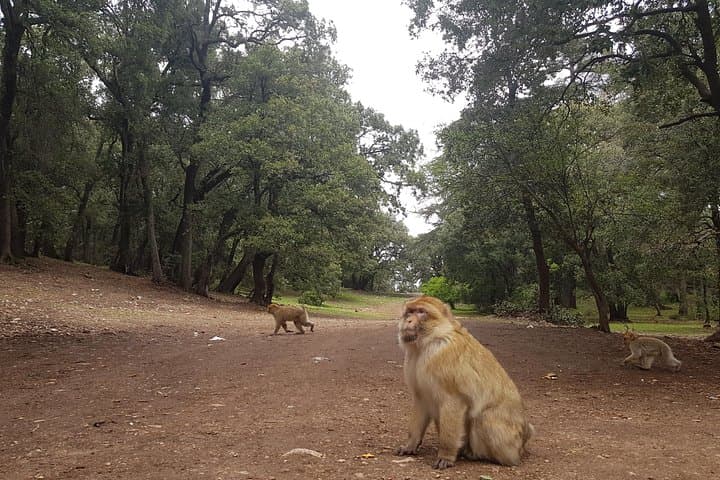
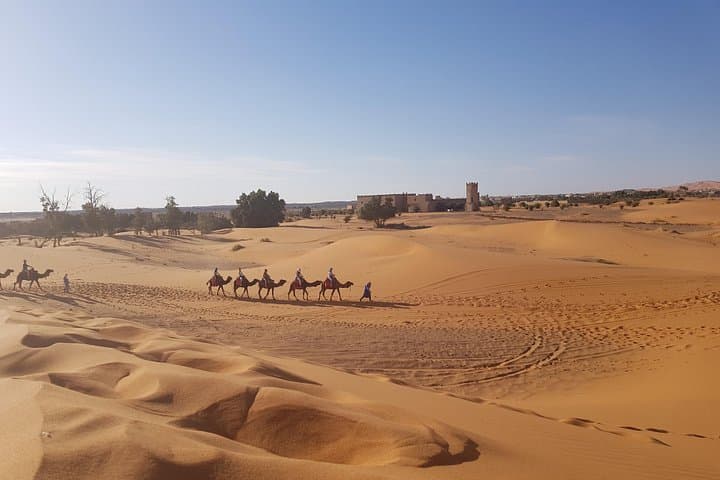
A late-afternoon sun slants across the sand as your convoy leaves Fes behind and the road straightens toward the eastern horizon. By dusk the Atlas foothills recede and the first low dunes rise — a soft, ochre rhythm that seems to breathe. On Day 3 you swap wheels for a camel’s patient sway, climbing a dune crest to watch sunset stain the ripples gold and purple.
A late-afternoon sun slants across the sand as your convoy leaves Fes behind and the road straightens toward the eastern horizon. By dusk the Atlas foothills recede and the first low dunes rise — a soft, ochre rhythm that seems to breathe. On Day 3 you swap wheels for a camel’s patient sway, climbing a dune crest to watch sunset stain the ripples gold and purple.
This route follows centuries-old caravan corridors where Berber tribes traded salt and saffron between the Rif and the Sahara. Geologically, Erg Chebbi is a classic star-dune sea: wind-formed ridges that migrate slowly season to season, creating textures that change with every gust. Culturally, evenings center on shared meals in desert camps and Gnawa music in nearby villages — an austere hospitality shaped by scarce water and long horizons.
Practical guidance: expect long driving days (Fes to Merzouga ≈ 7–8 hours total driving split over stages) and short, manageable camel treks at the dunes. Nights in traditional Berber tents are cold after sunset — bring warm layers and a reliable sleeping layer. Hydration is essential; carry 2–3 liters per day and replenish when you can. Footing on dunes is loose—sturdy shoes for approaches, light sandals for camp. Plan travel in shoulder seasons (spring/fall) to avoid extreme summer heat and winter cold.
Operated as a private, multi-day tour, this itinerary balances off-road scenery, cultural stops, and overnight desert camping. It’s ideal for travelers who want immersive desert nights without technical mountaineering — expect quiet dunes, star-strewn skies, and a steady rhythm of road, oasis, and sand.