THE ADVENTURE COLLECTIVE® · Independent discovery and booking for outdoor travel

A five-day private circuit through the Cordillera—explore Sagada’s caves and hanging coffins, the Ifugao terraces at Banaue, and Batad’s amphitheater and waterfalls. Expect steep steps, cold pool swims, and immersive cultural encounters.
A five-day private circuit through the Cordillera—explore Sagada’s caves and hanging coffins, the Ifugao terraces at Banaue, and Batad’s amphitheater and waterfalls. Expect steep steps, cold pool swims, and immersive cultural encounters.
Dawn breaks over winding mountain roads as the van climbs out of the lowlands and the air grows noticeably cooler. Green terraces unfurl along the slopes and pockets of stilted houses appear like careful notes on a hillside—this is the Cordillera region, and the rhythm here is set by rice paddies, waterfalls and caves.
Verified experiences and guided adventures in the surrounding area.
Operated by Vagabondpinas Outdoor Travel and Tours · Banaue, Ifugao
Dawn breaks over winding mountain roads as the van climbs out of the lowlands and the air grows noticeably cooler. Green terraces unfurl along the slopes and pockets of stilted houses appear like careful notes on a hillside—this is the Cordillera region, and the rhythm here is set by rice paddies, waterfalls and caves.
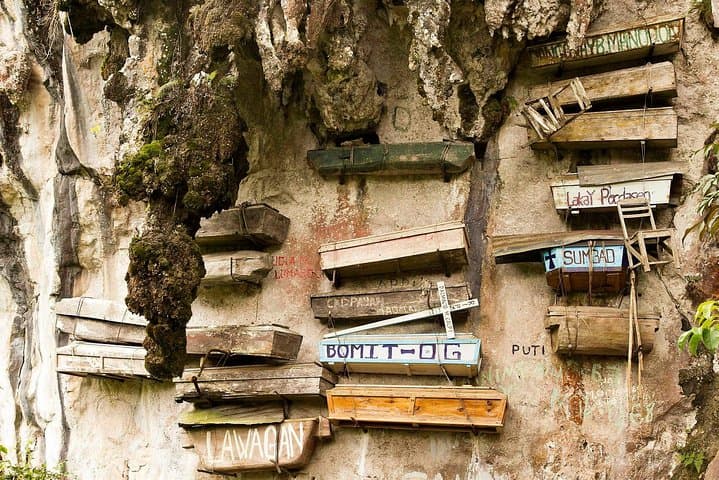
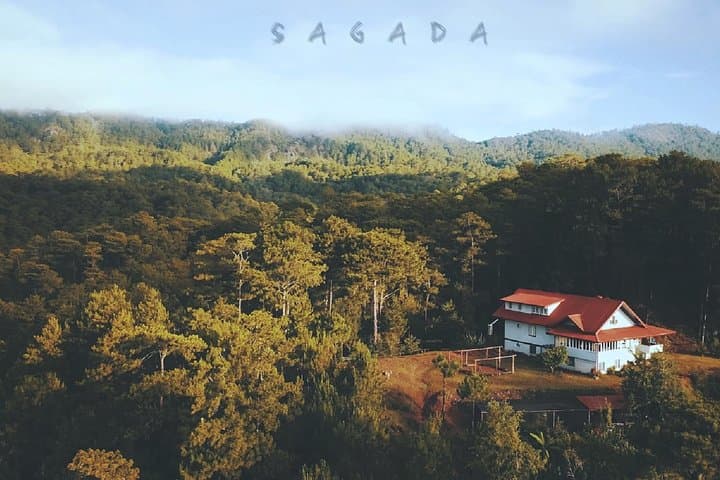
The route threads through communities shaped by centuries of Ifugao and Igorot farming. Banaue’s famed terraces sit around 1,500 m (about 5,000 ft) above sea level and represent living engineering: hand-built bench fields that channel water from upland springs. Sagada carries a different beat—limestone caves, hanging coffins and mountain pottery speak to local funerary and craft traditions. Bontoc Museum preserves woven textiles, wooden tools and ritual objects that illuminate pre-colonial daily life.
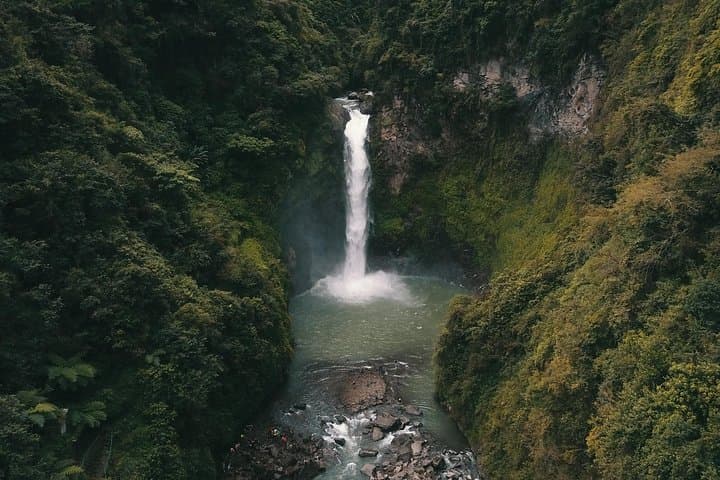
Expect varied terrain: paved and unpaved mountain roads, steep stone steps at Batad’s amphitheater, muddy trails after rain, and rice-paddy paths that can be uneven and narrow. Bomod-ok and Tappia waterfalls offer cold swimming pools below forested drops; Sumaguing Cave provides optional spelunking for beginners on the easier route.
Practical guidance: plan for early starts and long drives between stops, bring sturdy boots and a waterproof layer, and carry cash—the villages have limited card facilities. Hydrate, respect agricultural terraces (stay on paths), and leave ample time for photography and acclimatizing to higher elevation. With a local guide and private transport, this five-day loop balances cultural insight and steady, scenic walking—ideal for travelers who want active, culturally rich mountain travel without technical climbing.
moderate.
5 days.
Moderate—able to walk 2–4 hours on uneven terrain, handle stairs and short uphill sections.
Daily walks range from short village walks (15–60 minutes) to longer 2–3 hour hikes to waterfalls or viewpoints; overall the tour suits hikers with moderate fitness.
Yes—both offer freshwater pools but expect cold water and slippery rocks; supervise children and avoid swimming after heavy rain due to stronger currents.
No special national permit is required for day visits, but local guides often collect small entrance or trail fees that support communities—bring cash.
A change of clothes, sturdy shoes, a headlamp, and gloves help on wet, muddy cave routes; the easy Sumaguing route is suitable for beginners when guided.
The Ifugao terraces were hand-carved over 2,000 years ago by rice-farming communities; the area preserves living agricultural traditions and Igorot cultural practices.
Visitors should stick to marked paths and avoid trampling terrace walls; many communities rely on tourism income, so small entrance fees and respectful behavior directly support conservation and livelihoods.
Vagabondpinas Outdoor Travel and Tours operates guided outdoor trips and adventures with an emphasis on safety, stewardship, and memorable experiences.
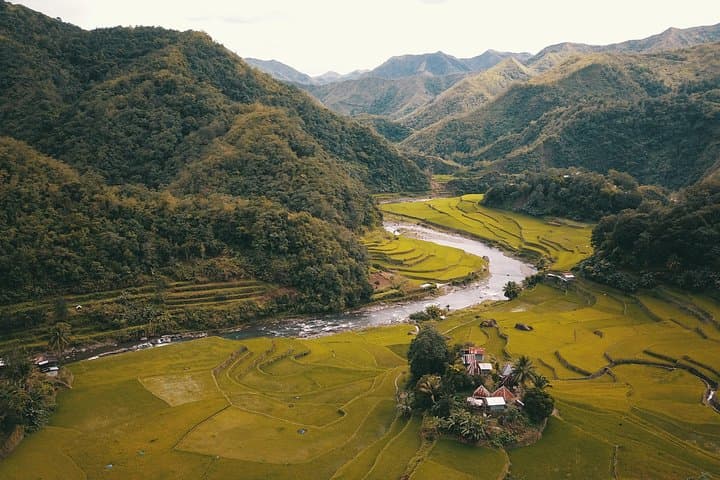
Dawn breaks over winding mountain roads as the van climbs out of the lowlands and the air grows noticeably cooler. Green terraces unfurl along the slopes and pockets of stilted houses appear like careful notes on a hillside—this is the Cordillera region, and the rhythm here is set by rice paddies, waterfalls and caves.
Dawn breaks over winding mountain roads as the van climbs out of the lowlands and the air grows noticeably cooler. Green terraces unfurl along the slopes and pockets of stilted houses appear like careful notes on a hillside—this is the Cordillera region, and the rhythm here is set by rice paddies, waterfalls and caves.
The route threads through communities shaped by centuries of Ifugao and Igorot farming. Banaue’s famed terraces sit around 1,500 m (about 5,000 ft) above sea level and represent living engineering: hand-built bench fields that channel water from upland springs. Sagada carries a different beat—limestone caves, hanging coffins and mountain pottery speak to local funerary and craft traditions. Bontoc Museum preserves woven textiles, wooden tools and ritual objects that illuminate pre-colonial daily life.
Expect varied terrain: paved and unpaved mountain roads, steep stone steps at Batad’s amphitheater, muddy trails after rain, and rice-paddy paths that can be uneven and narrow. Bomod-ok and Tappia waterfalls offer cold swimming pools below forested drops; Sumaguing Cave provides optional spelunking for beginners on the easier route.
Practical guidance: plan for early starts and long drives between stops, bring sturdy boots and a waterproof layer, and carry cash—the villages have limited card facilities. Hydrate, respect agricultural terraces (stay on paths), and leave ample time for photography and acclimatizing to higher elevation. With a local guide and private transport, this five-day loop balances cultural insight and steady, scenic walking—ideal for travelers who want active, culturally rich mountain travel without technical climbing.