THE ADVENTURE COLLECTIVE® · Independent discovery and booking for outdoor travel

Spend five days moving from Arusha into Tarangire’s baobab country, across the Serengeti plains, and down into Ngorongoro Crater. This loop mixes long game drives, cultural stops with Maasai communities, and high-probability wildlife viewing.
Spend five days moving from Arusha into Tarangire’s baobab country, across the Serengeti plains, and down into Ngorongoro Crater. This loop mixes long game drives, cultural stops with Maasai communities, and high-probability wildlife viewing.
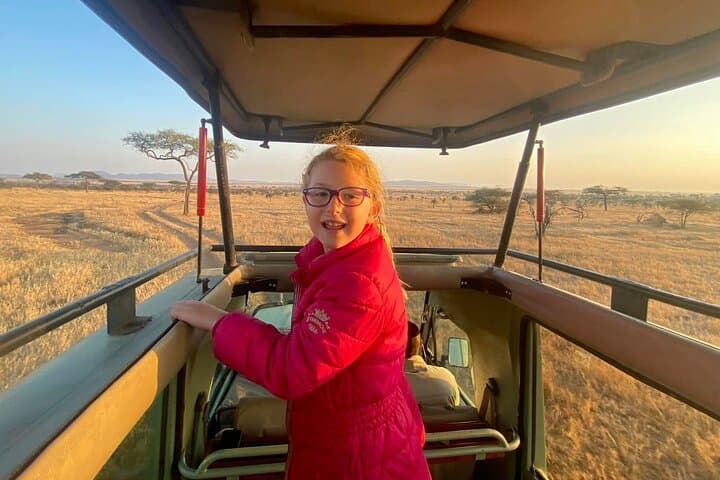
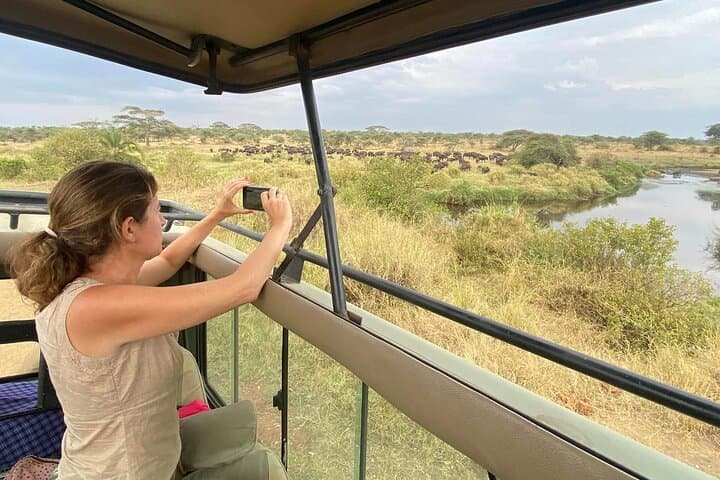
Dawn throws long shadows across baobab-dotted plains as a Land Cruiser slides over red dust—elephants move like slow thoughts, and the grasses seem to lean toward the next herd. That opening hour, when the air cools and engines speak softly, defines a five-day loop from Arusha through Tarangire, the endless Serengeti, and down into Ngorongoro Crater.
Verified experiences and guided adventures in the surrounding area.
Operated by Gundua Africa Adventure · Arusha, Arusha Region
Dawn throws long shadows across baobab-dotted plains as a Land Cruiser slides over red dust—elephants move like slow thoughts, and the grasses seem to lean toward the next herd. That opening hour, when the air cools and engines speak softly, defines a five-day loop from Arusha through Tarangire, the endless Serengeti, and down into Ngorongoro Crater.
These parks are geological and ecological chapters: Tarangire’s 2,850 sq km of seasonal swamps and baobabs hosts dense elephant populations; the Serengeti’s 14,763 sq km of volcanic soils and grass sea stage the Great Migration; Ngorongoro, part of an 8,292 sq km conservation area, is a collapsed volcano whose rim sits roughly 2,300 m above sea level and opens to a crater floor below.
Maasai communities still graze the highlands—expect cultural exchanges and simple village walks alongside your game drives. Guides here read spoor and wind like a language; their knowledge turns chance sightings into reliable encounters.
Practical edge: expect long drives (Arusha to Tarangire and onward), rough dirt roads, and early starts—day 2 typically includes a 4-hour transfer to the Serengeti gate. Pack layered clothing for cool mornings and hot afternoons, sun protection, and malaria precautions. Vehicle game drives last between half- and full-day; bring binoculars and a camera with a telephoto lens. Hydrate, carry cash for park fees or tips, and allow for altitude shifts at Ngorongoro crater.
This itinerary balances intense wildlife viewing with manageable logistics—five days that prioritize time in the vehicle for viewing, not transit, and leave room for quiet observation of Africa’s most iconic animals.
moderate.
5 days.
Moderate fitness for multiple hours in vehicle with short walks; able to handle uneven ground during brief exits from the vehicle.
Visas for entry to Tanzania depend on nationality; park entry fees are separate and typically covered at booking or paid on arrival—confirm with your operator.
Large herds are most reliably seen in the Serengeti between June and October when wildebeest cross northern corridors; timing varies yearly with rains.
This itinerary includes lodge accommodations each night as listed (Tarangire Sopa Lodge, Serengeti Serena, Ngorongoro Serena); verify grade and board basis with your operator.
Children may join but operators often have age limits; infants must sit on laps during transfers and the tour requires moderate fitness due to long drives.
Ngorongoro Conservation Area combines natural heritage with Maasai pastoral lands; its crater formed when a large volcano collapsed millions of years ago.
Parks balance tourism with community grazing and strict quotas; stick to park rules, avoid feeding wildlife, and use certified guides to minimize impact.
Gundua Africa Adventure operates guided outdoor trips and adventures with an emphasis on safety, stewardship, and memorable experiences.
Dawn throws long shadows across baobab-dotted plains as a Land Cruiser slides over red dust—elephants move like slow thoughts, and the grasses seem to lean toward the next herd. That opening hour, when the air cools and engines speak softly, defines a five-day loop from Arusha through Tarangire, the endless Serengeti, and down into Ngorongoro Crater.
Dawn throws long shadows across baobab-dotted plains as a Land Cruiser slides over red dust—elephants move like slow thoughts, and the grasses seem to lean toward the next herd. That opening hour, when the air cools and engines speak softly, defines a five-day loop from Arusha through Tarangire, the endless Serengeti, and down into Ngorongoro Crater.
These parks are geological and ecological chapters: Tarangire’s 2,850 sq km of seasonal swamps and baobabs hosts dense elephant populations; the Serengeti’s 14,763 sq km of volcanic soils and grass sea stage the Great Migration; Ngorongoro, part of an 8,292 sq km conservation area, is a collapsed volcano whose rim sits roughly 2,300 m above sea level and opens to a crater floor below.
Maasai communities still graze the highlands—expect cultural exchanges and simple village walks alongside your game drives. Guides here read spoor and wind like a language; their knowledge turns chance sightings into reliable encounters.
Practical edge: expect long drives (Arusha to Tarangire and onward), rough dirt roads, and early starts—day 2 typically includes a 4-hour transfer to the Serengeti gate. Pack layered clothing for cool mornings and hot afternoons, sun protection, and malaria precautions. Vehicle game drives last between half- and full-day; bring binoculars and a camera with a telephoto lens. Hydrate, carry cash for park fees or tips, and allow for altitude shifts at Ngorongoro crater.
This itinerary balances intense wildlife viewing with manageable logistics—five days that prioritize time in the vehicle for viewing, not transit, and leave room for quiet observation of Africa’s most iconic animals.