THE ADVENTURE COLLECTIVE® · Independent discovery and booking for outdoor travel

Five days of focused primate trekking across Rwanda’s top parks—gorilla tracking in Volcanoes, golden monkeys in Mgahinga, chimpanzees and a canopy walk in Nyungwe—plus cultural insight at Huye’s Ethnographic Museum. Expect steep, rewarding hikes, regulated close encounters, and practical logistics across varied terrain.
Five days of focused primate trekking across Rwanda’s top parks—gorilla tracking in Volcanoes, golden monkeys in Mgahinga, chimpanzees and a canopy walk in Nyungwe—plus cultural insight at Huye’s Ethnographic Museum. Expect steep, rewarding hikes, regulated close encounters, and practical logistics across varied terrain.
Dawn breaks over the Virunga massif and the mist lifts like a curtain, revealing slopes where mountain gorillas move with surprising gentleness. This five-day safari threads through volcanic ridgelines and dense montane forest—one day spent tracking gorillas in Volcanoes National Park, another across the border to Mgahinga for the golden monkeys, then south to Nyungwe Forest for chimpanzee encounters and a canopy walkway that puts the rainforest at eye level.
Verified experiences and guided adventures in the surrounding area.
Operated by Shalom Safaris · Kigali, Kigali Province
Dawn breaks over the Virunga massif and the mist lifts like a curtain, revealing slopes where mountain gorillas move with surprising gentleness. This five-day safari threads through volcanic ridgelines and dense montane forest—one day spent tracking gorillas in Volcanoes National Park, another across the border to Mgahinga for the golden monkeys, then south to Nyungwe Forest for chimpanzee encounters and a canopy walkway that puts the rainforest at eye level.
Volcanoes’ black volcanic soils and rugged peaks were sculpted by the Virunga volcano chain; the region’s recent history is shaped by conservation efforts and the legacy of researchers such as Dian Fossey. Nyungwe is an ancient rainforest on the Albertine Rift, rich in endemic species and a critical water source for Rwanda. Cultural context appears in Huye’s Ethnographic Museum, where traditional life and colonial history meet modern Rwandan identity.
Expect steep, muddy trails, sudden clearings with panoramic views, and close, regulated wildlife encounters that require quiet and careful movement. Treks can last several hours and sometimes involve elevation change and uneven footing; guides adjust pace to the group and primate behavior.
Practical notes: obtain gorilla and chimp permits in advance; bring sturdy, waterproof boots, layers, and at least 1.5–2 liters of water per day. Morning starts are common; plan for early transfers between parks. Respect distance rules, follow guide instructions, and pack out what you bring in—these visits directly support conservation and local communities.
challenging.
5 days.
Participants should have good cardiovascular fitness and experience with multi-hour hikes on uneven, often steep terrain; moderate acclimatization to altitude helps.
Yes—gorilla and chimp permits are required and limited; operators usually secure permits before departure, but you should confirm booking details and timing.
Age and fitness restrictions vary by park—children often have age minimums and treks can be physically demanding; check with the operator about specific limits and available support.
This itinerary includes private transportation and meals (breakfast, lunch, dinner) as listed; accommodations vary by package—confirm lodging standards when booking.
Travelers should consult a travel clinic for up-to-date advice; proof of yellow fever vaccination may be required depending on travel history, and malaria prophylaxis is commonly recommended.
The Virunga region has long been a crossroads of human settlement and volcanic geology; modern conservation work, notably by researchers like Dian Fossey, helped establish protections that enable regulated gorilla tourism today.
Tourism revenues fund park protection and community projects; visitors should follow rules on distance, group size, and hygiene to minimize disease transmission and disturbance to primates.
Shalom Safaris operates guided outdoor trips and adventures with an emphasis on safety, stewardship, and memorable experiences.
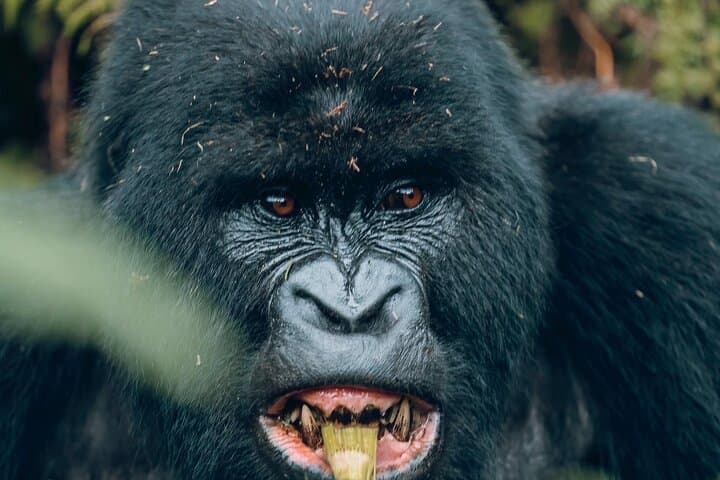
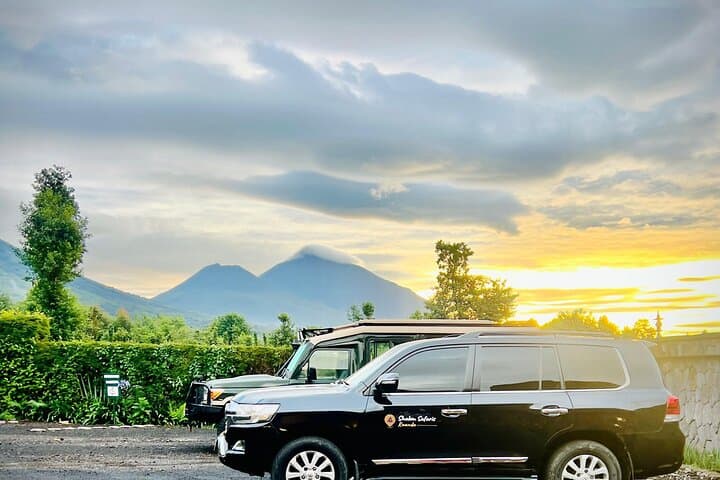
Dawn breaks over the Virunga massif and the mist lifts like a curtain, revealing slopes where mountain gorillas move with surprising gentleness. This five-day safari threads through volcanic ridgelines and dense montane forest—one day spent tracking gorillas in Volcanoes National Park, another across the border to Mgahinga for the golden monkeys, then south to Nyungwe Forest for chimpanzee encounters and a canopy walkway that puts the rainforest at eye level.
Dawn breaks over the Virunga massif and the mist lifts like a curtain, revealing slopes where mountain gorillas move with surprising gentleness. This five-day safari threads through volcanic ridgelines and dense montane forest—one day spent tracking gorillas in Volcanoes National Park, another across the border to Mgahinga for the golden monkeys, then south to Nyungwe Forest for chimpanzee encounters and a canopy walkway that puts the rainforest at eye level.
Volcanoes’ black volcanic soils and rugged peaks were sculpted by the Virunga volcano chain; the region’s recent history is shaped by conservation efforts and the legacy of researchers such as Dian Fossey. Nyungwe is an ancient rainforest on the Albertine Rift, rich in endemic species and a critical water source for Rwanda. Cultural context appears in Huye’s Ethnographic Museum, where traditional life and colonial history meet modern Rwandan identity.
Expect steep, muddy trails, sudden clearings with panoramic views, and close, regulated wildlife encounters that require quiet and careful movement. Treks can last several hours and sometimes involve elevation change and uneven footing; guides adjust pace to the group and primate behavior.
Practical notes: obtain gorilla and chimp permits in advance; bring sturdy, waterproof boots, layers, and at least 1.5–2 liters of water per day. Morning starts are common; plan for early transfers between parks. Respect distance rules, follow guide instructions, and pack out what you bring in—these visits directly support conservation and local communities.