THE ADVENTURE COLLECTIVE® · Independent discovery and booking for outdoor travel

Travel from New Delhi through Jaipur, Pushkar/Ajmer and Agra on a private 5-day Golden Triangle circuit. Expect sunrise at the Taj, Rajasthani culture at Chowki Dhani, and the colorful spectacle of the Pushkar Camel Fair when in season.
Travel from New Delhi through Jaipur, Pushkar/Ajmer and Agra on a private 5-day Golden Triangle circuit. Expect sunrise at the Taj, Rajasthani culture at Chowki Dhani, and the colorful spectacle of the Pushkar Camel Fair when in season.
You arrive in Delhi before dawn, the city still cool and the memory of night markets fading as the private vehicle pulls out toward the first monument—Red Fort’s sandstone ramparts catching the first light. Over five days the landscape will change from the urban sprawl of New Delhi to the pink facades of Jaipur, the small-town rhythms of Pushkar and Ajmer, and finally the marble hush of the Taj Mahal at sunrise.
Verified experiences and guided adventures in the surrounding area.
Operated by Padma Holidays · New Delhi, Delhi
You arrive in Delhi before dawn, the city still cool and the memory of night markets fading as the private vehicle pulls out toward the first monument—Red Fort’s sandstone ramparts catching the first light. Over five days the landscape will change from the urban sprawl of New Delhi to the pink facades of Jaipur, the small-town rhythms of Pushkar and Ajmer, and finally the marble hush of the Taj Mahal at sunrise.
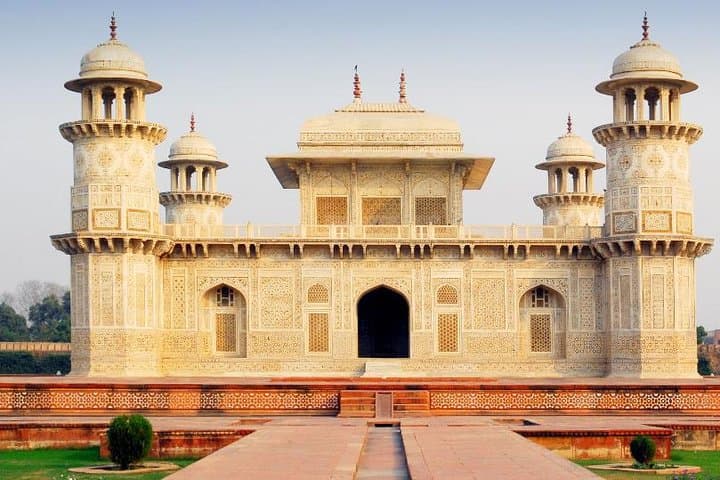
This route threads Mughal and Rajput history: Shah Jahan’s white-marble ambition in Agra, the astronomical stones of Jantar Mantar in Jaipur, and the rare Brahma Temple in Pushkar, where pilgrimage and livestock trading have mingled for centuries. Geologically, the Aravalli foothills edge the route around Pushkar and Ajmer, their scrub slopes shaping local weather and creating wide views over the lake and desert plains.
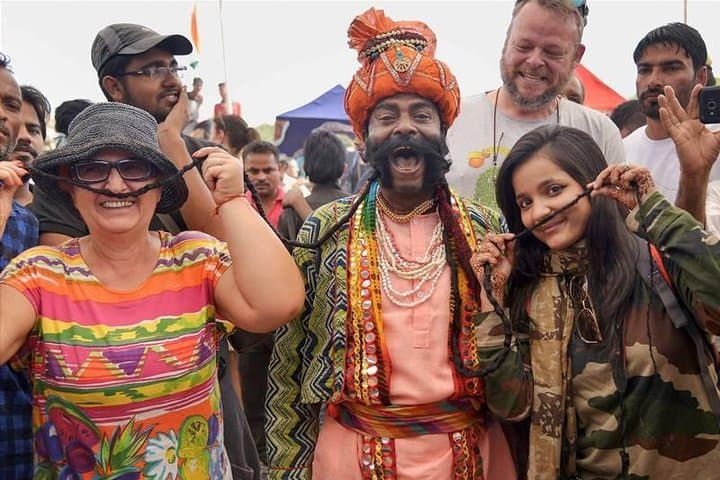
Culturally the trip includes market visits, Rajasthani performances at Chowki Dhani, and — if timed in November — the Pushkar Camel Fair, a vibrant collision of animals, traders, and folk events. Expect lively bargaining, ritual bathing at Pushkar Lake, and long days walking between monuments and bazaars.
Practical guidance: travel light with breathable clothing and modest dress for temples, start sightseeing early to avoid heat and crowds, and carry locally accepted cash for smaller vendors. Important documents (passport copies, tickets) should be accessible; a local SIM or offline maps are indispensable between cities. Wear comfortable walking shoes—cobblestones and marble steps are common—and plan for early-morning sun at the Taj. With a private vehicle and guide included, this itinerary balances structured sightseeing with time to explore markets and lesser-known lanes on foot.
easy.
5 days.
Suitable for travelers in average fitness; involves moderate walking on uneven surfaces and multiple short climbs/steps.
The fair typically coincides with Kartik Purnima (usually October–November); dates vary by year so confirm before booking.
With the tour option, monument entrance and fees are included; check your voucher for specifics.
Expect light to moderate walking—temple precincts, forts with stairs, and market lanes—most days include several short walking segments.
Yes—this itinerary is rated easy and is suitable for most ages, but it’s not recommended for travelers with serious spinal, heart, or pregnancy-related restrictions.
The Golden Triangle links Mughal-era Agra, Rajput Jaipur, and Delhi’s imperial monuments—each city shaped by centuries of trade, court culture and colonial encounter.
Pushkar Lake and nearby hills face pressure from tourism and development; opt for responsible vendors, avoid single-use plastics, and respect temple-site rules to limit impact.
Padma Holidays operates guided outdoor trips and adventures with an emphasis on safety, stewardship, and memorable experiences.
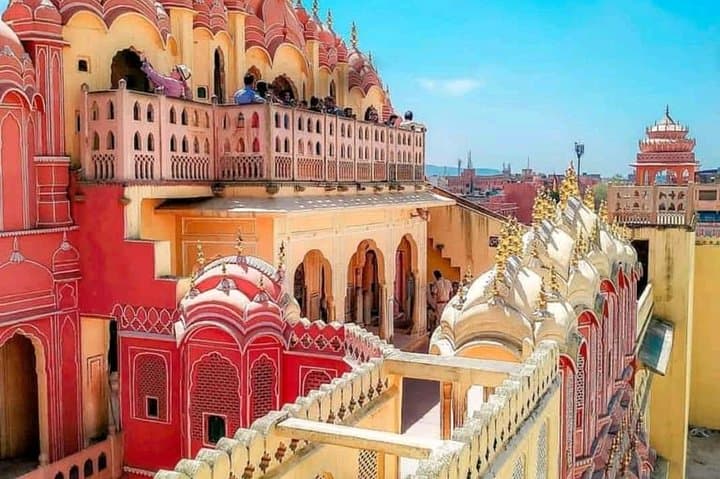
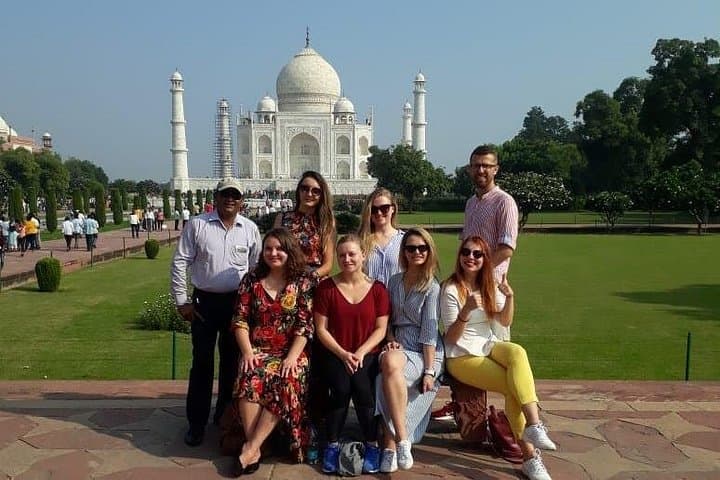
You arrive in Delhi before dawn, the city still cool and the memory of night markets fading as the private vehicle pulls out toward the first monument—Red Fort’s sandstone ramparts catching the first light. Over five days the landscape will change from the urban sprawl of New Delhi to the pink facades of Jaipur, the small-town rhythms of Pushkar and Ajmer, and finally the marble hush of the Taj Mahal at sunrise.
You arrive in Delhi before dawn, the city still cool and the memory of night markets fading as the private vehicle pulls out toward the first monument—Red Fort’s sandstone ramparts catching the first light. Over five days the landscape will change from the urban sprawl of New Delhi to the pink facades of Jaipur, the small-town rhythms of Pushkar and Ajmer, and finally the marble hush of the Taj Mahal at sunrise.
This route threads Mughal and Rajput history: Shah Jahan’s white-marble ambition in Agra, the astronomical stones of Jantar Mantar in Jaipur, and the rare Brahma Temple in Pushkar, where pilgrimage and livestock trading have mingled for centuries. Geologically, the Aravalli foothills edge the route around Pushkar and Ajmer, their scrub slopes shaping local weather and creating wide views over the lake and desert plains.
Culturally the trip includes market visits, Rajasthani performances at Chowki Dhani, and — if timed in November — the Pushkar Camel Fair, a vibrant collision of animals, traders, and folk events. Expect lively bargaining, ritual bathing at Pushkar Lake, and long days walking between monuments and bazaars.
Practical guidance: travel light with breathable clothing and modest dress for temples, start sightseeing early to avoid heat and crowds, and carry locally accepted cash for smaller vendors. Important documents (passport copies, tickets) should be accessible; a local SIM or offline maps are indispensable between cities. Wear comfortable walking shoes—cobblestones and marble steps are common—and plan for early-morning sun at the Taj. With a private vehicle and guide included, this itinerary balances structured sightseeing with time to explore markets and lesser-known lanes on foot.