THE ADVENTURE COLLECTIVE® · Independent discovery and booking for outdoor travel

A compact five-day loop through Uganda’s western parks: gorilla trekking in Bwindi, tree-climbing lions in Ishasha, a hippo-rich boat cruise on the Kazinga Channel, and chimp tracking in Kyambura Gorge. Practical, private, and permit-driven wildlife viewing for travelers with moderate fitness.
A compact five-day loop through Uganda’s western parks: gorilla trekking in Bwindi, tree-climbing lions in Ishasha, a hippo-rich boat cruise on the Kazinga Channel, and chimp tracking in Kyambura Gorge. Practical, private, and permit-driven wildlife viewing for travelers with moderate fitness.
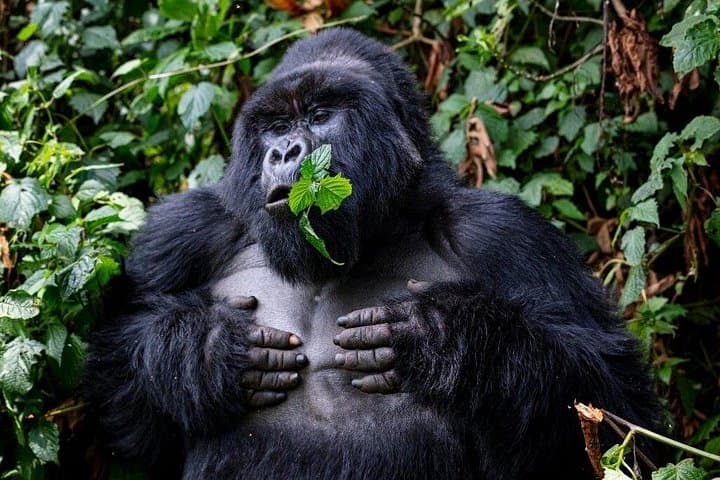
Morning mist presses against the shoulders of the forest as you step out of the lodge and into a world that moves on its own timetable. Footfalls hush on soft humus; rangers check radios and tighten straps. By mid-morning a narrow trail threads between strangler figs and moss-draped ground, and soon the forest rearranges the day around gorilla families that have for years made these slopes their home.
Verified experiences and guided adventures in the surrounding area.
Operated by Vacanza Adventure Safaris · Buhoma, Kanungu District
Morning mist presses against the shoulders of the forest as you step out of the lodge and into a world that moves on its own timetable. Footfalls hush on soft humus; rangers check radios and tighten straps. By mid-morning a narrow trail threads between strangler figs and moss-draped ground, and soon the forest rearranges the day around gorilla families that have for years made these slopes their home.
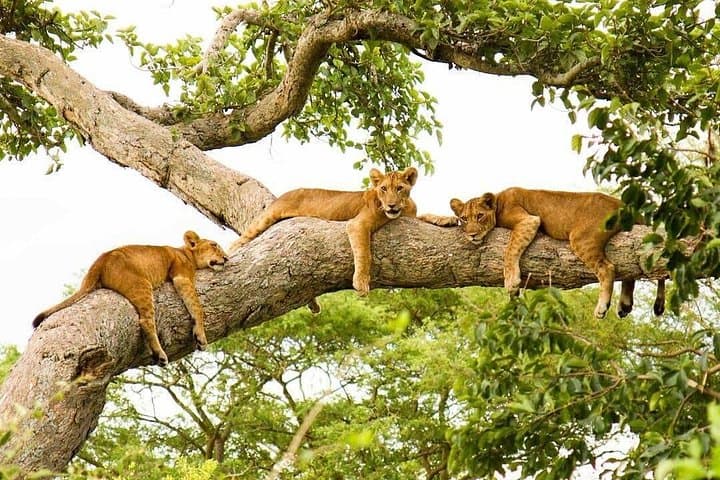
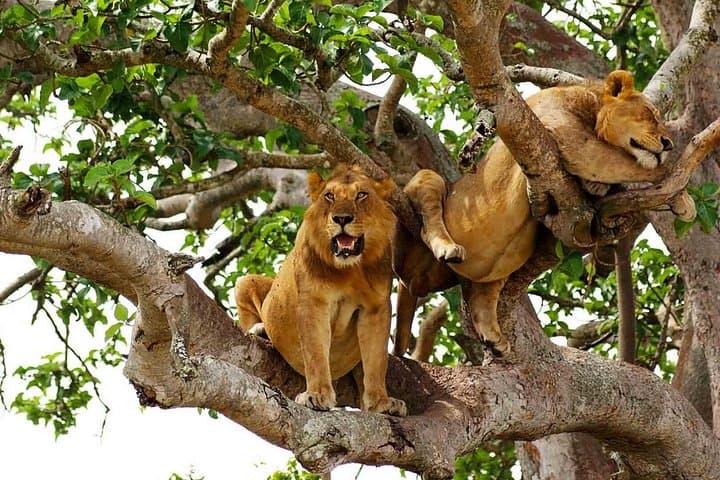
This five-day itinerary stitches Uganda's western highlands and savanna: crater lakes and rolling grasslands, the impenetrable canopy of Bwindi where mountain gorillas live, Ishasha’s open plains where lions climb fig trees, and the Kazinga Channel where hippos and birds concentrate on the water. Geologically, the Albertine Rift carved the region's escarpments and created deep gorges like Kyambura — a 100m-deep cleft that shelters chimps and a humid microforest.
Culturally, the route passes farming communities and market towns; guides bring local context about Batwa history and conservation efforts that support communities through gorilla tourism. Practically: gorilla permits are required (and included here), trekked with ranger escorts starting around 8:00 a.m.; expect steep, muddy sections and multi-hour hikes with altitude around 1,500–2,400 m. Rangers provide walking sticks; sturdy, broken-in boots, quick-dry layers, insect repellent, and 1–2 liters of water per person are essential. Boat cruises on the Kazinga Channel run about two hours and make for accessible photography and birding.
Plan for variable weather — mornings can be cold, afternoons humid — and allow full days for game drives and transfers. Respect viewing rules: keep distance, avoid sudden moves, and follow ranger instructions so encounters remain safe and lasting.
moderate.
5 days.
Expect several hours of walking on uneven, sometimes steep terrain; good cardiovascular fitness and stable footing are recommended
Yes — gorilla trekking permits are included in this package; permits are limited and assigned per trek day.
A moderate level of fitness is required; treks can last several hours over steep, uneven terrain but rangers provide walking sticks and pacing is adjusted.
Uganda typically enforces a minimum age of 15 for gorilla trekking visits; check with operators for exact rules before booking.
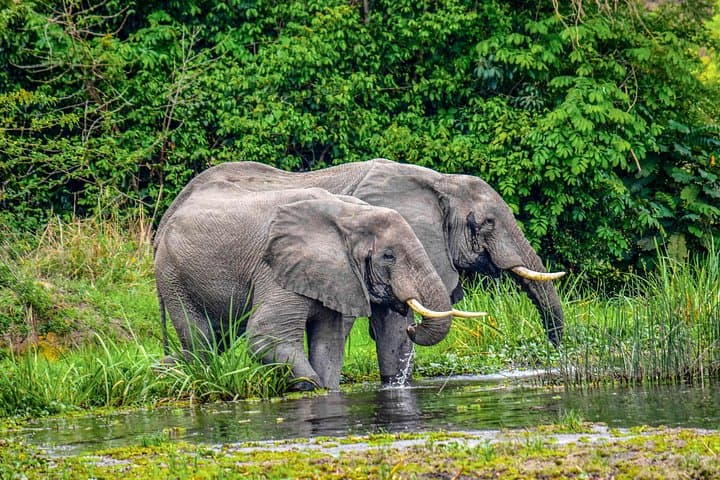
The two-hour boat cruise concentrates hippos, waterbirds, and frequent sightings of buffalo, elephants drinking at the channel edge, and many colorful bird species.
The Albertine Rift shaped western Uganda’s highlands and supported human occupation for millennia; local communities like the Batwa have long cultural ties to forested areas near Bwindi.
Gorilla tourism funds community projects and anti-poaching efforts; visitors should follow rules, avoid close contact, and not visit if ill to minimize disease risk.
Vacanza Adventure Safaris operates guided outdoor trips and adventures with an emphasis on safety, stewardship, and memorable experiences.
Morning mist presses against the shoulders of the forest as you step out of the lodge and into a world that moves on its own timetable. Footfalls hush on soft humus; rangers check radios and tighten straps. By mid-morning a narrow trail threads between strangler figs and moss-draped ground, and soon the forest rearranges the day around gorilla families that have for years made these slopes their home.
Morning mist presses against the shoulders of the forest as you step out of the lodge and into a world that moves on its own timetable. Footfalls hush on soft humus; rangers check radios and tighten straps. By mid-morning a narrow trail threads between strangler figs and moss-draped ground, and soon the forest rearranges the day around gorilla families that have for years made these slopes their home.
This five-day itinerary stitches Uganda's western highlands and savanna: crater lakes and rolling grasslands, the impenetrable canopy of Bwindi where mountain gorillas live, Ishasha’s open plains where lions climb fig trees, and the Kazinga Channel where hippos and birds concentrate on the water. Geologically, the Albertine Rift carved the region's escarpments and created deep gorges like Kyambura — a 100m-deep cleft that shelters chimps and a humid microforest.
Culturally, the route passes farming communities and market towns; guides bring local context about Batwa history and conservation efforts that support communities through gorilla tourism. Practically: gorilla permits are required (and included here), trekked with ranger escorts starting around 8:00 a.m.; expect steep, muddy sections and multi-hour hikes with altitude around 1,500–2,400 m. Rangers provide walking sticks; sturdy, broken-in boots, quick-dry layers, insect repellent, and 1–2 liters of water per person are essential. Boat cruises on the Kazinga Channel run about two hours and make for accessible photography and birding.
Plan for variable weather — mornings can be cold, afternoons humid — and allow full days for game drives and transfers. Respect viewing rules: keep distance, avoid sudden moves, and follow ranger instructions so encounters remain safe and lasting.